

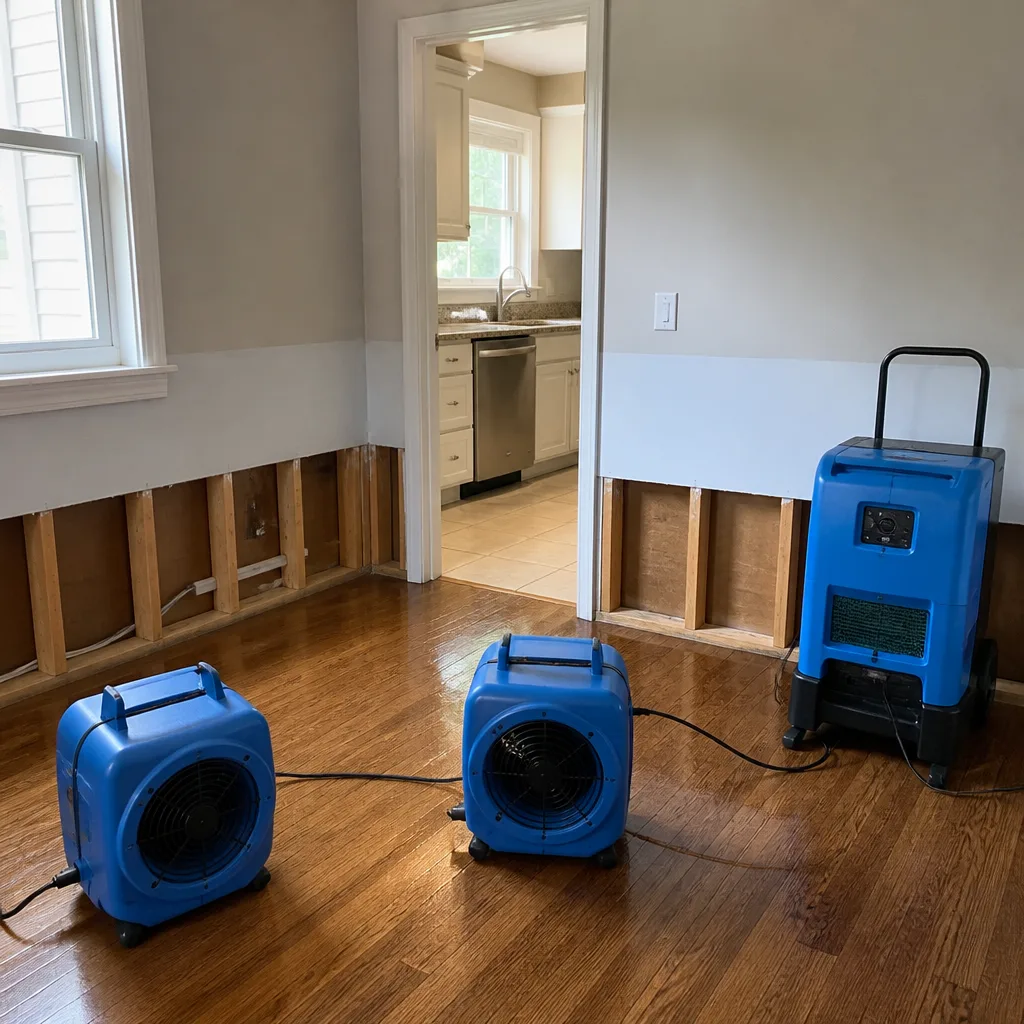
 Water damage drying
 Fire & smoke cleanup
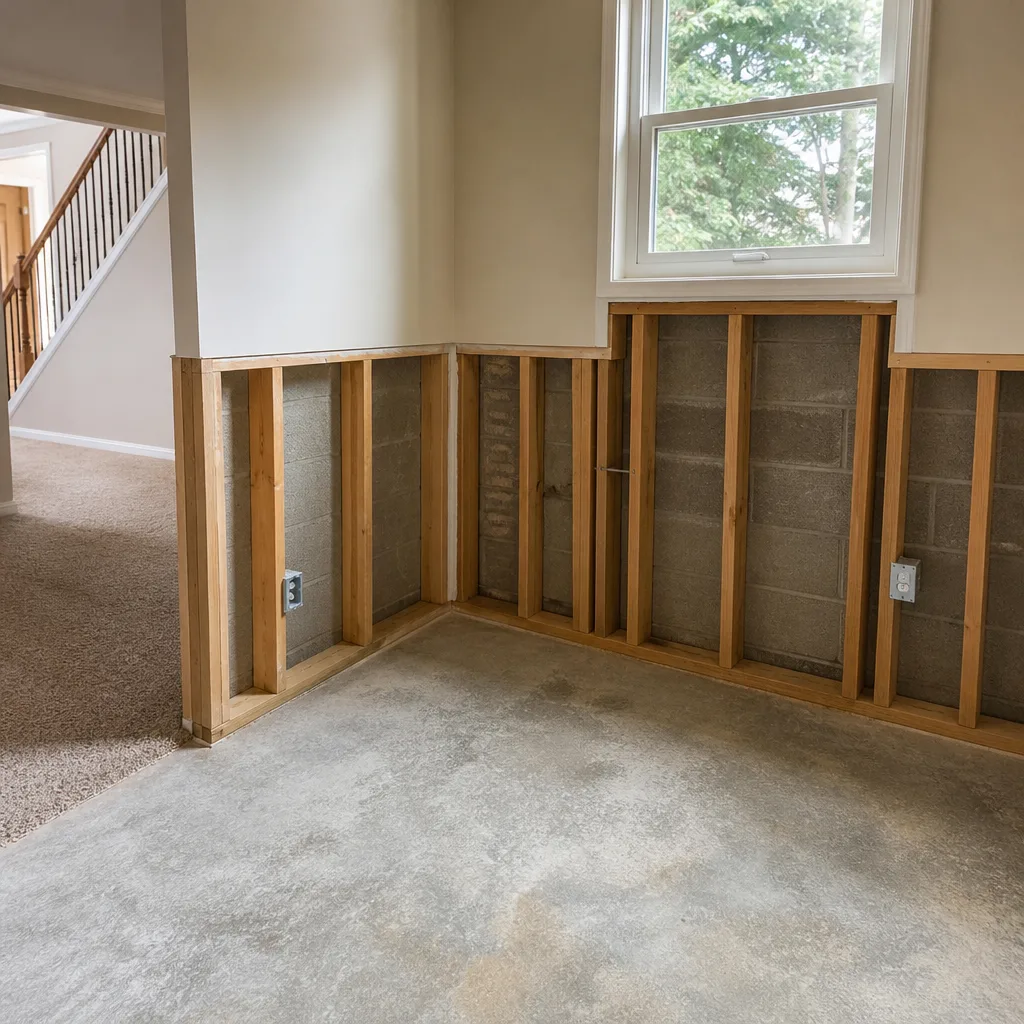 Mold remediation
 Storm response
 Sewage cleanup
 Reconstruction
Free visual inspection and a written scope of work before any mitigation begins - photos, moisture readings, and drying logs go in your claim file
The scope we write is the scope we bill. Anything new gets shown to you, in writing, before we touch it.
Get your free estimateFast, Reliable Fire Damage Restoration Across Leander
If your Leander home has just been through a fire, you need answers fast: what gets cleaned, what gets replaced, and what it will cost. Fire damage restoration in Leander typically runs between $2,800 and $9,500 for a typical kitchen or garage fire, with larger structural jobs reaching $18,000 to $45,000 depending on how far flames, smoke, and suppression water traveled. Our crews respond to Leander the same day you call, and a live person answers (361) 326-2081 around the clock. We know Leander’s housing stock, its slab foundations, and its newer engineered-wood framing, and that changes how we scope every job.
Leander isn’t one kind of house. It’s subdivisions off Crystal Falls Parkway, older pier-and-beam homes near the original town center, and rural acreage properties along Ronald Reagan Boulevard. Fire behaves differently in each. So does the cleanup. Fire Damage Restoration work here means reading the house first, then writing the scope. Not the other way around.
Why Dryden Restoration Austin Is Leander’s Preferred Fire Damage Restoration Company
Dryden Water Damage Restoration has been serving Central Texas communities since 2005 as part of the Kingswell family of independently owned restoration businesses. When Leander homeowners call us, they get a background-checked, uniformed technician at their door, a written price before any tool is touched, and a 365-Day Done Right Promise in writing on every job. That guarantee is specific: if a covered repair fails within one year, we return and correct it at no charge.
Our reputation in Leander is built on showing up when we said we would. Dispatch and scheduling are coordinated from our Austin office, but crews serve Leander locally, which means we reach homes in Mason Hills, Travisso, and Cold Springs quickly. The equipment we run is the same professional-grade gear used by large commercial restoration crews: Dri-Eaz dehumidifiers, Phoenix axial air movers, and XPOWER air scrubbers. Our work follows IICRC, RIA, and IFA standards, and we explain what that means in plain English before we start.
Carl Brandt leads our team, and he holds every job to one standard: say the price before the work, show up in the window we gave, leave the place cleaner than we found it, and put the guarantee in writing. Leander homeowners who have been burned before by no-show contractors or door-price changes tell us that’s what convinced them to call.
Restoration work we handle
Soot Removal in Leander
Soot Removal in Leander is the most commonly underestimated part of fire cleanup, especially in the open-concept floor plans that dominate newer subdivisions. Soot is acidic, oily, and fine enough to work into drywall pores, tile grout, and HVAC ducts. In Leander homes built after 2000, we frequently find soot trapped beneath the seams of engineered wood flooring and inside the webbing of open-web trusses, where a visual wipe-down never reaches it.
Surface Soot and Content Cleaning
A kitchen fire that never reaches the attic still puts a fine black film on every surface in the house. We use dry-chem sponges for initial lift, then HEPA-vacuum and wet-clean porous surfaces. In open-concept Leander homes, containment is the make-or-break step: without zippered barriers and negative air pressure, soot particles re-settle on cleaned surfaces within hours. Surface soot removal for a 1,800-square-foot single-story home in Leander typically runs $1,200 to $3,800.
Structural Soot Removal
When soot works into wall cavities, behind cabinets, or into the attic, the job changes. We remove affected drywall in controlled sections, HEPA-vacuum the framing, and seal what remains with an odor-blocking primer before rebuild. On engineered I-joists in Leander’s slab-on-grade homes, we moisture-map and inspect for hidden charring before sealing anything. Structural soot removal here generally falls between $4,000 and $11,000 depending on cavity access and truss involvement.
Fire Damage Restoration Company in Leander
Fire Damage Restoration Company in Leander means more than a crew that boards up a window and runs fans. It means knowing that Leander’s post-2000 housing stock performs differently under fire than the older pier-and-beam homes near the original town center, and writing a scope that accounts for that difference. Our team handles emergency board-up, smoke and soot cleanup, odor removal, water extraction from fire suppression, structural drying, and full repair coordination.
Emergency Board-Up and Containment
After the fire department leaves, your home is exposed. We board up broken windows, tarp damaged roof sections, and set containment so smoke doesn’t keep migrating through the house. In Leander’s newer subdivisions, we also secure open garage door openings quickly, since those homes often sit within sight of HOA-managed streets where security matters. Board-up and containment typically runs $800 to $2,200 depending on opening count and roof access.
Full Structural Fire Restoration
When a fire reaches the attic or a load-bearing wall, the scope includes demolition, structural drying, framing repair, insulation replacement, and finish work. In Leander homes with engineered wood trusses, our technicians check for hidden charring beyond the visible burn line before any rebuild begins, because a charred truss that looks stable can fail months after the job is closed. Full structural restoration in Leander generally starts around $15,000 and scales with square footage and framing replacement.
Trusted Brands We Service in Leander
Leander homeowners don’t need a company that shows up with rental-store equipment and a guess. We run Dri-Eaz dehumidifiers for structural drying, Phoenix axial air movers for airflow across wet framing and slab surfaces, and XPOWER air scrubbers for particulate control during soot and odor work. Because we keep parts and filters for these machines in rotation for our Central Texas crews, we don’t lose a drying day waiting on a backordered component. For Leander jobs, that means continuity: the same equipment running from day one through final moisture verification. IFA-aligned work practices govern how we set equipment, document drying progress, and hand off the written report you’ll need for your insurance file.
See the difference
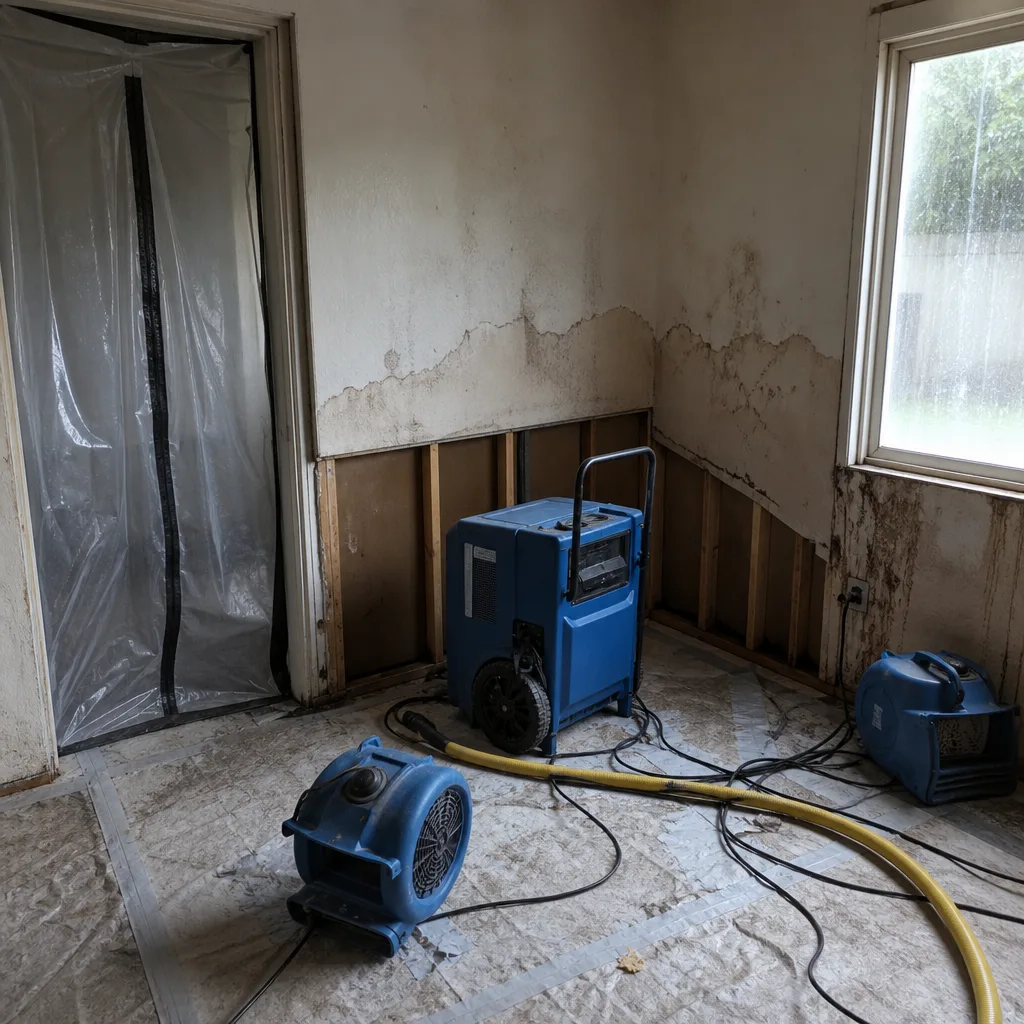 Before
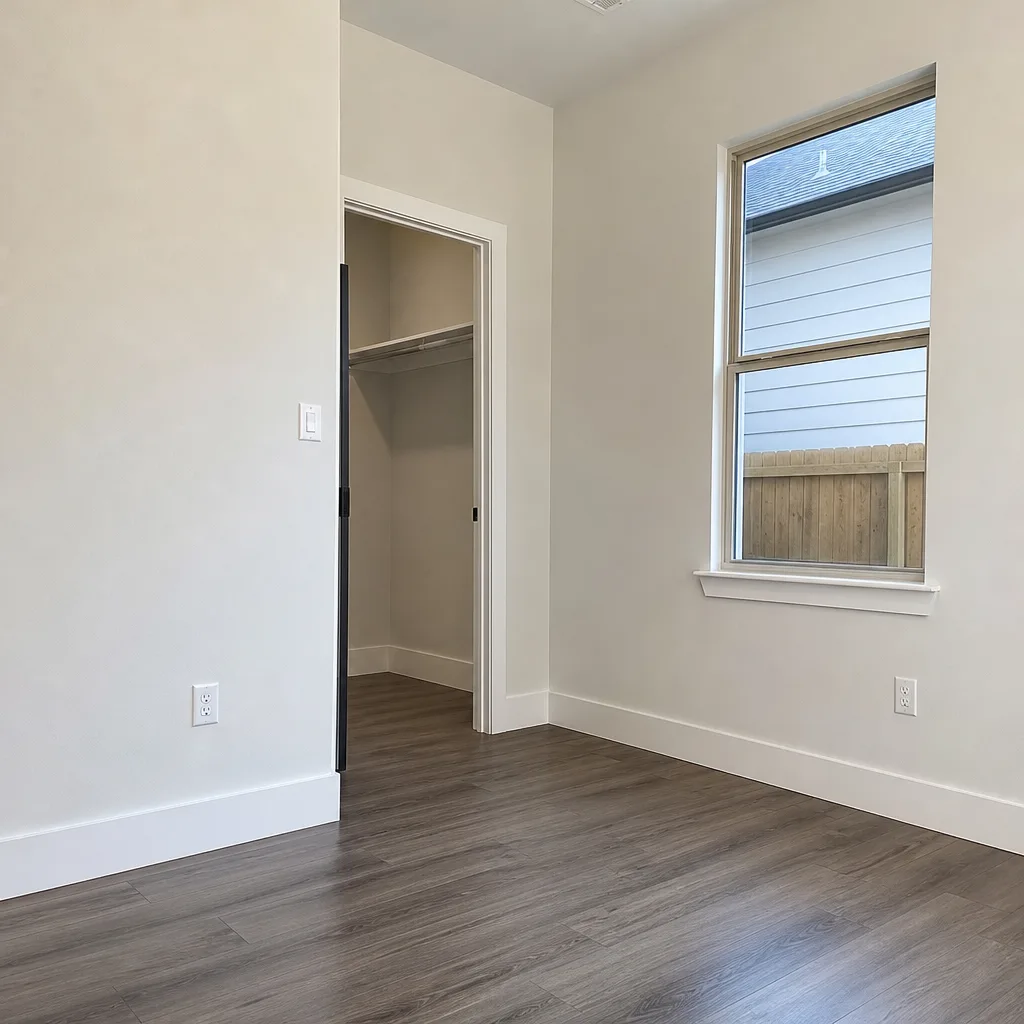 After
After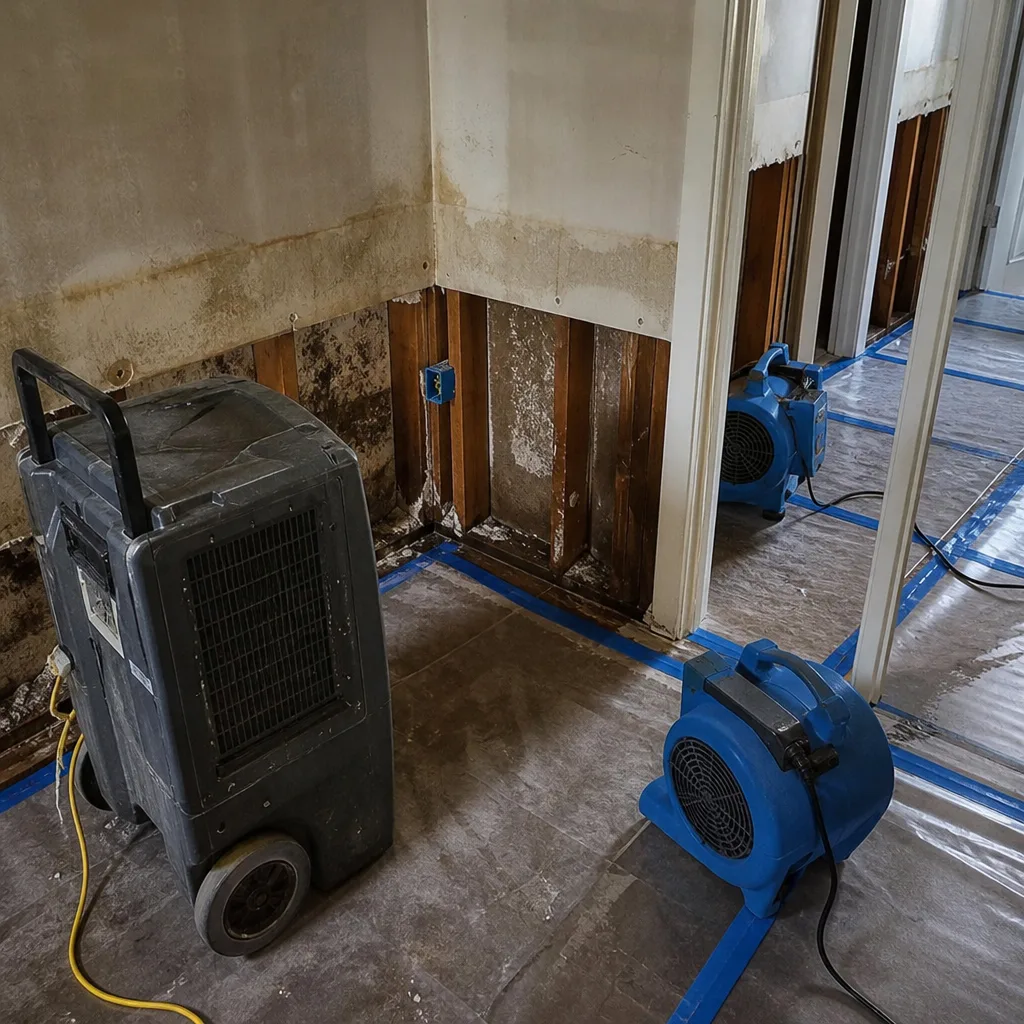 Before
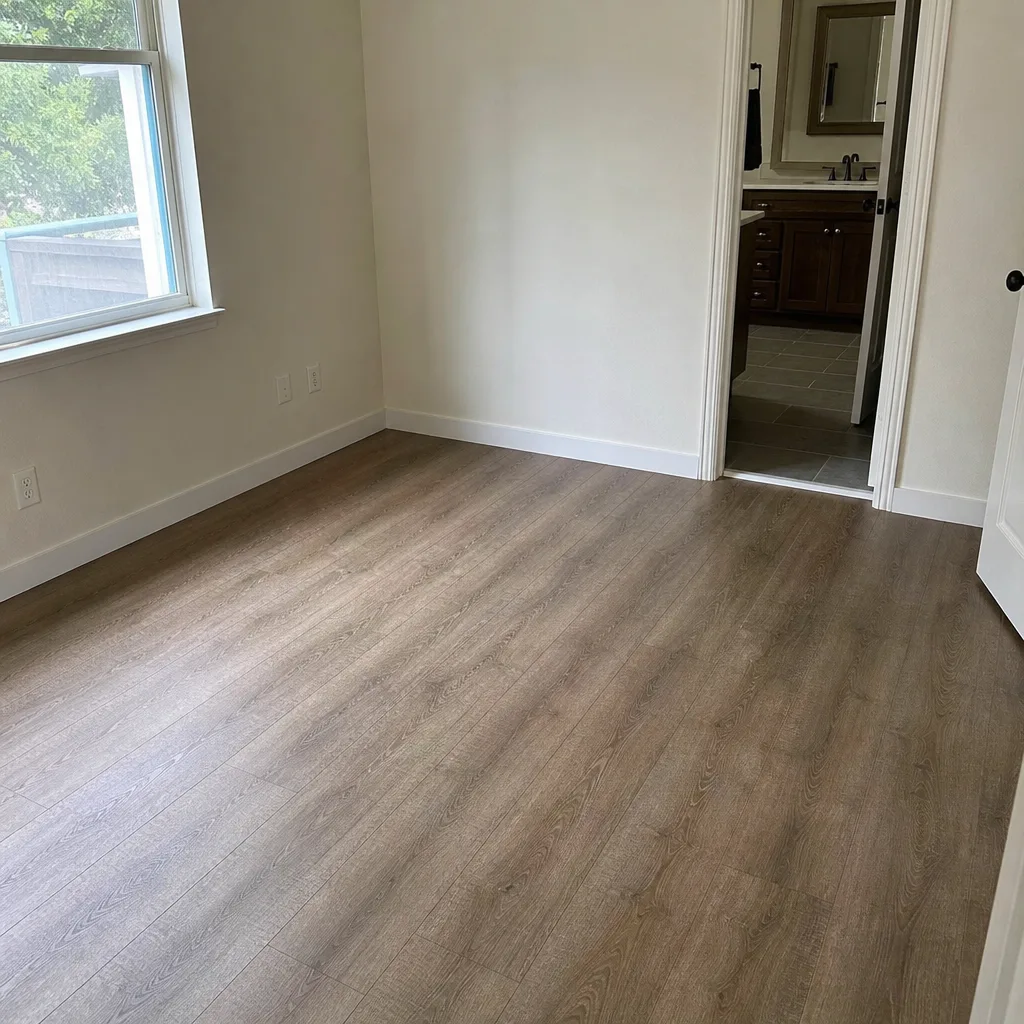 After
After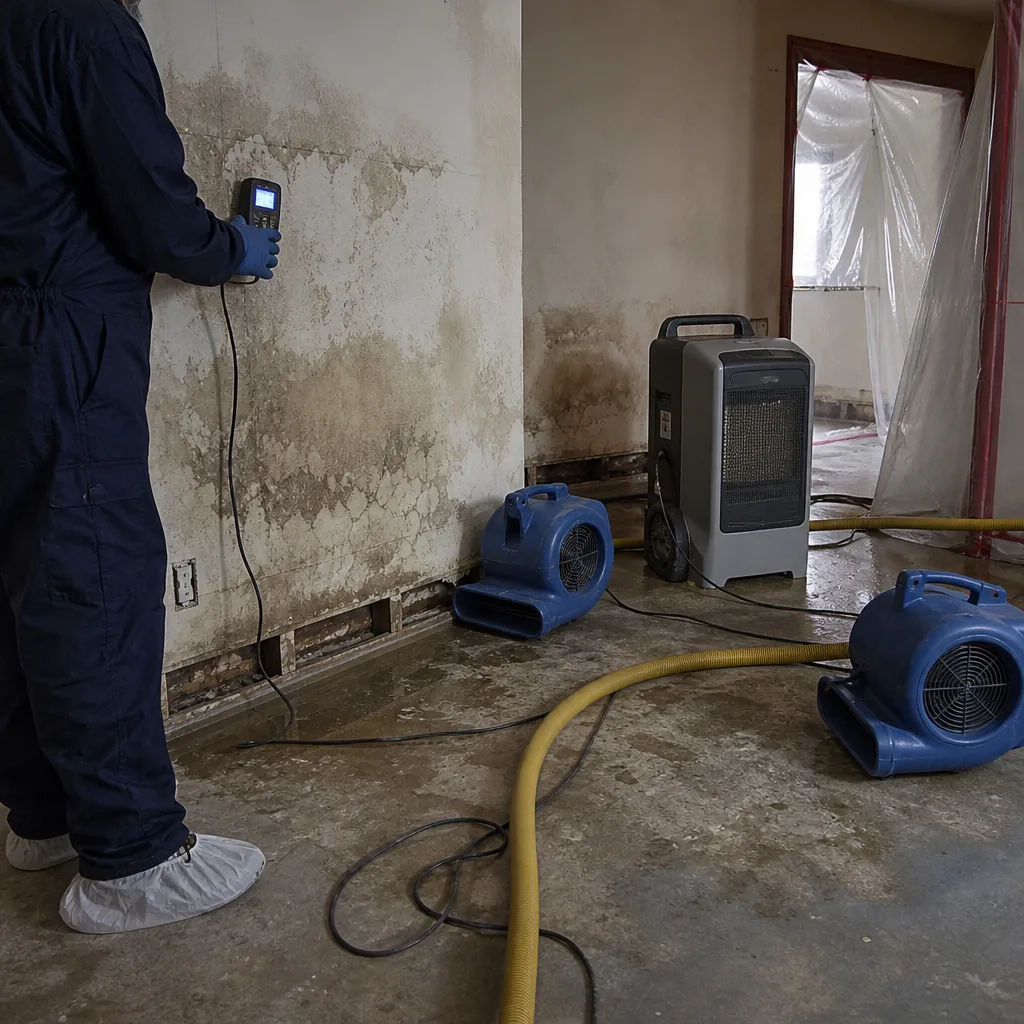 Before
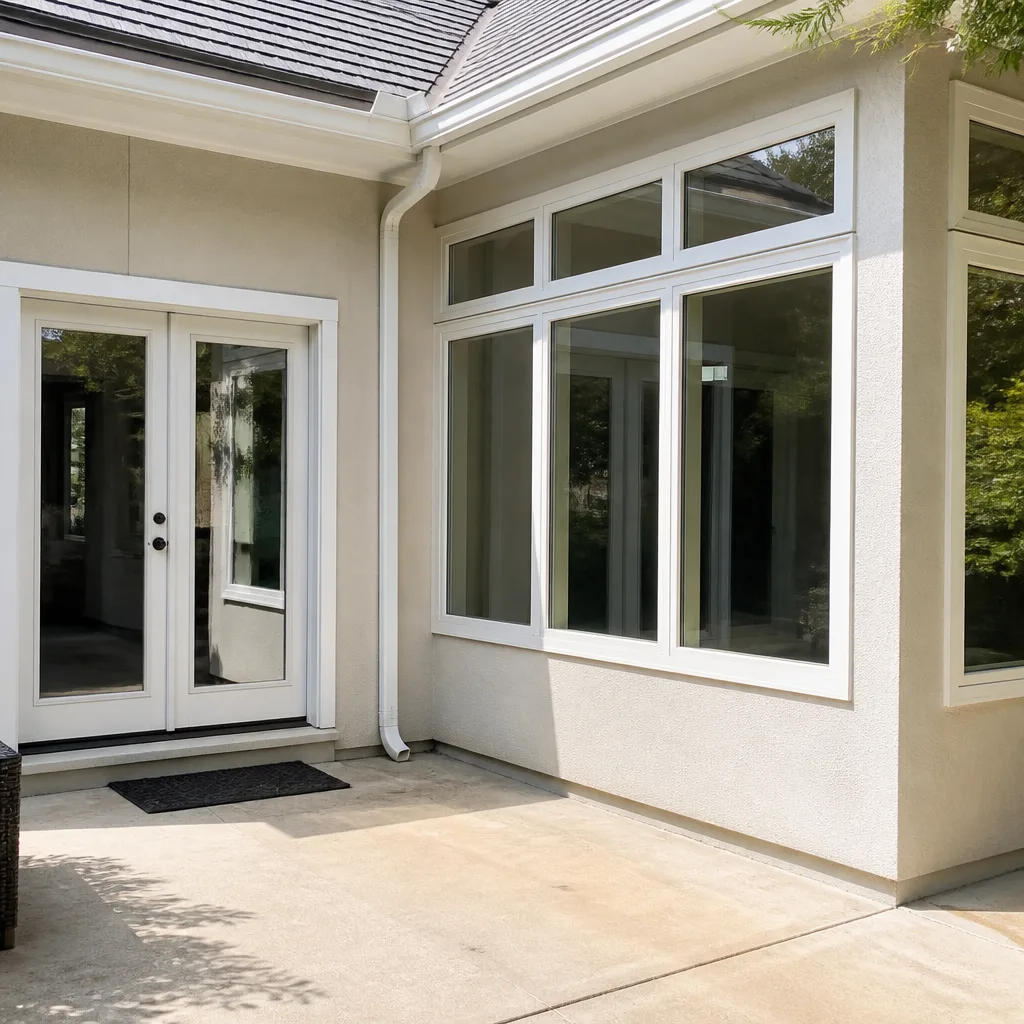 After
AfterCommon Fire Damage Restoration Problems We See in Leander Homes
- Hidden charring in engineered wood I-joists and open-web trusses. Crews that only inspect visible framing miss charring inside truss webs, and that missed damage becomes a structural failure months after the rebuild. We moisture-map and visually inspect every accessible truss before signing off.
- Fire suppression water misclassified as Category 1. Water that passes through burned drywall, melted synthetics, and soot is not clean, even if it started as municipal water. In Leander slab homes, that contaminated water wicks into drywall and under base plates, and mold starts within 24-48 hours. We treat all post-fire water as potentially contaminated until tested.
- Improper containment during soot removal in open-concept homes. Leander’s post-2000 builds favor open floor plans, which means a single fire in the kitchen distributes soot through the entire living space. Without zippered containment and negative air, that soot re-settles on already cleaned surfaces and the homeowner pays twice.
- Polybutylene plumbing failures near fire-damaged walls. Homes built in Leander between roughly 1978 and 1995 commonly used polybutylene supply lines, and those pipes melt or deform near a fire even if they weren’t directly burned. We inspect adjacent plumbing runs and flag replacement needs before we close the wall.
Pricing for Fire Damage Restoration in Leander, TX
Here’s what Leander homeowners can expect based on the jobs we scope most often. Soot removal for a single-room kitchen fire: $1,200 to $3,800. Whole-home smoke odor and soot cleanup after a contained fire: $4,000 to $11,000. Structural fire repair involving trusses, framing, and insulation replacement: $15,000 to $45,000. These are real ranges for Leander’s market, not national averages.
What moves the number: whether the fire reached the attic, how much suppression water entered the slab, whether engineered trusses need replacement or just cleaning, and how far soot traveled through the HVAC system. Before any work starts, we walk the scope with you and hand you a written price. That number doesn’t change at the door, and it’s backed by our 365-Day Done Right Promise. Call (361) 326-2081 for a free estimate, and we’ll put the numbers on paper.
We Also Serve Cities Near Leander
Our crews cover Leander and the surrounding Central Texas communities, including Round Rock, Austin, Taylor, and Kyle. If your home sits outside Leander proper but within the metro area, we can usually reach you the same day. Fire Damage Restoration in Leander is our focus, but the same written pricing, background-checked crews, and 365-Day Done Right Promise apply everywhere we work.
Serving Leander, TX - Our Local Coverage Area
We’re based in the Leander area and know this community well. Use the map below to see our service coverage - if you’re nearby, we can almost certainly help.
FAQs About Fire Damage Restoration in Leander
New slab-on-grade homes in Leander typically cost $12,000 to $30,000 for structural fire restoration, while older pier-and-beam homes near the original town center run $8,000 to $20,000 because damaged framing and subfloor sections can be replaced in isolated bays rather than requiring whole-slab moisture remediation. The slab itself is the cost driver: once water wicks under base plates and into wall cavities, drying requires containment, dehumidification, and often drywall removal that pier-and-beam homes don’t always need. Call (361) 326-2081 for a written scope specific to your foundation type.
Engineered wood I-joists and open-web trusses absorb soot into their cut edges and metal connector plates more readily than solid-sawn lumber, which means surface sponging is not enough and the framing must be HEPA-vacuumed, inspected for charring, and sealed before insulation goes back. Solid lumber in older Leander pier-and-beam homes is denser and tolerates more aggressive cleaning without losing load capacity. Both require moisture mapping before sealing, but engineered wood framing demands it because hidden moisture trapped in truss webs leads to delamination months later.
No, and believing that is a mistake that causes mold. Water from a fire hose starts as clean municipal water, but once it passes through burned drywall, melted synthetic carpet, and soot-laden debris, it picks up enough contamination to be treated as Category 2 or Category 3 by IICRC definitions. In Leander slab homes especially, that water settles under base plates and inside wall cavities where it cannot evaporate on its own. We test and treat every post-fire water loss as potentially contaminated and document that classification for your insurance file.
Call the same day. Soot is acidic and begins etching glass, grout, and metal fixtures within hours, and suppression water that sits in a Leander slab home starts supporting mold growth within 24 to 48 hours. Board-up also matters immediately: an exposed home in Leander’s subdivisions is a target for theft and weather. Our dispatch line, (361) 326-2081, is answered live 24 hours a day, and we can typically have a crew in Leander the same afternoon you call.
Leander follows current International Residential Code standards, which mean that structural repairs in fire-damaged homes must restore load paths to original design capacity, and any replacement trusses or engineered lumber must match or exceed the original specified members. In practice, that often means engineering letters are required for truss repairs in newer subdivisions like Mason Hills and Travisso, where HOA covenants also govern exterior appearance. We coordinate with local code officials and can arrange the engineering documentation as part of your scope, so the rebuild passes inspection the first time.
Written by Carl Brandt, Owner at Dryden Restoration Austin, serving Leander homeowners since 2005.