

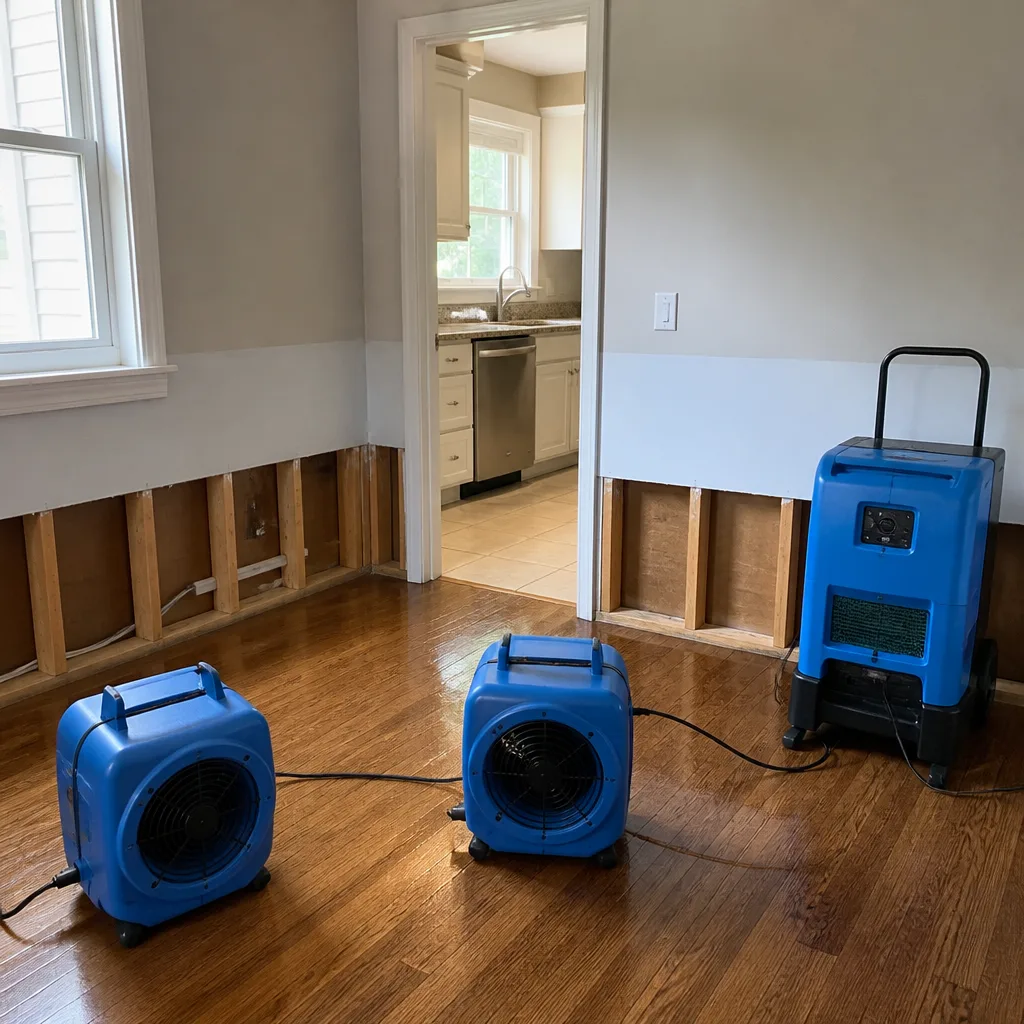
 Water damage drying
 Fire & smoke cleanup
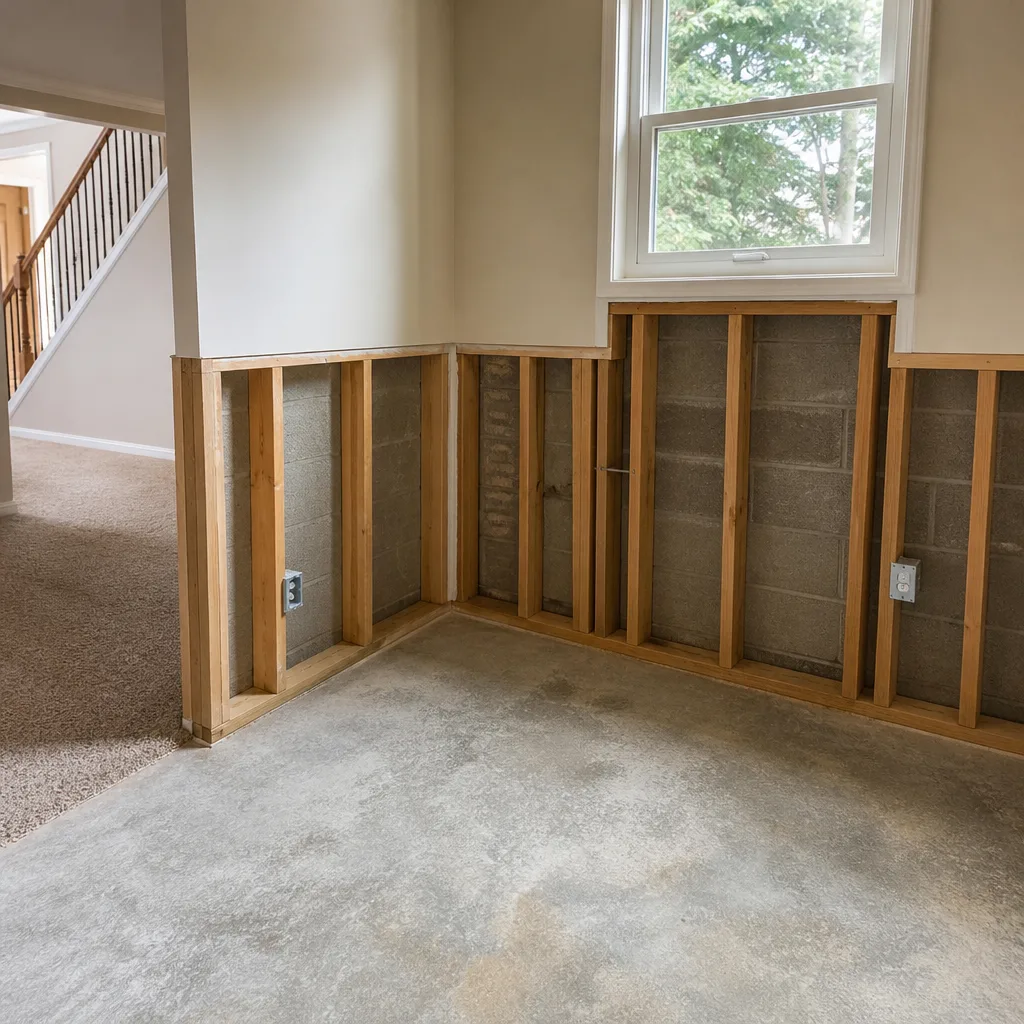 Mold remediation
 Storm response
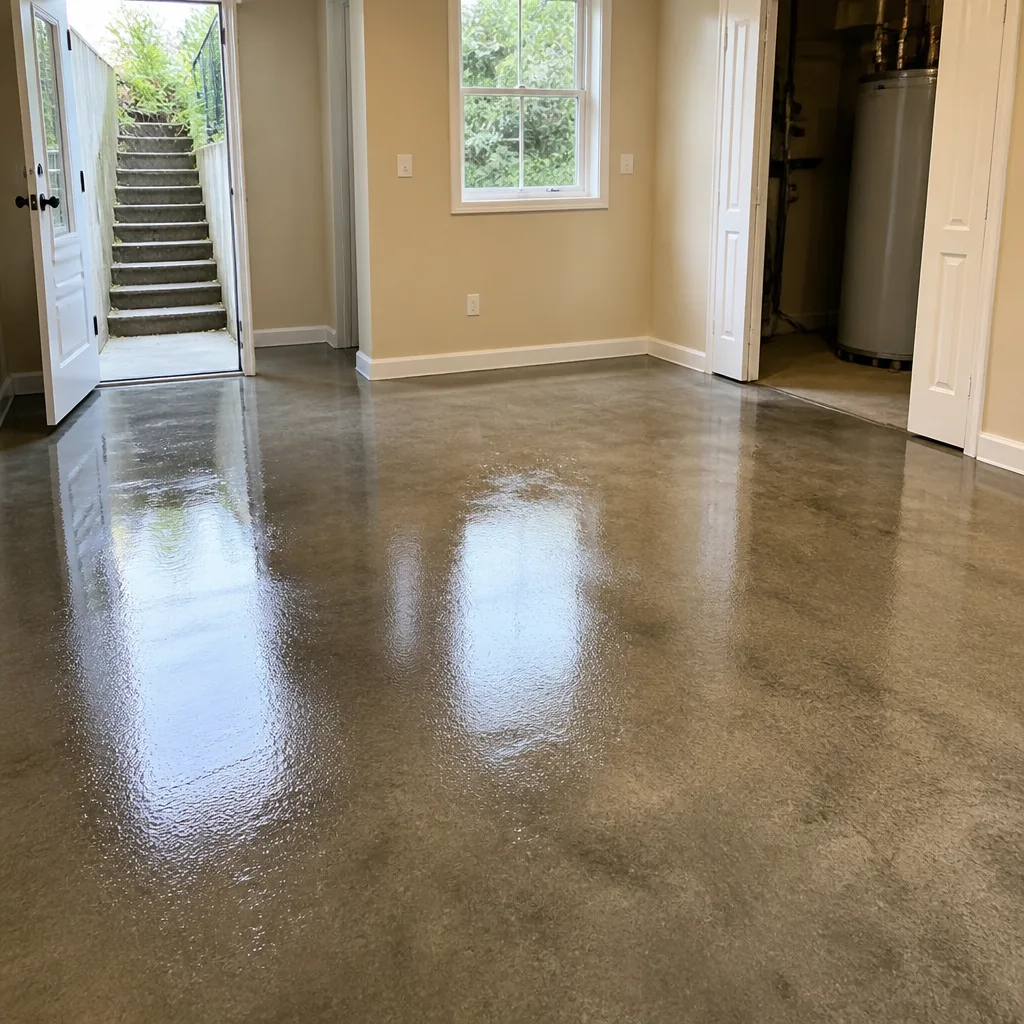 Sewage cleanup
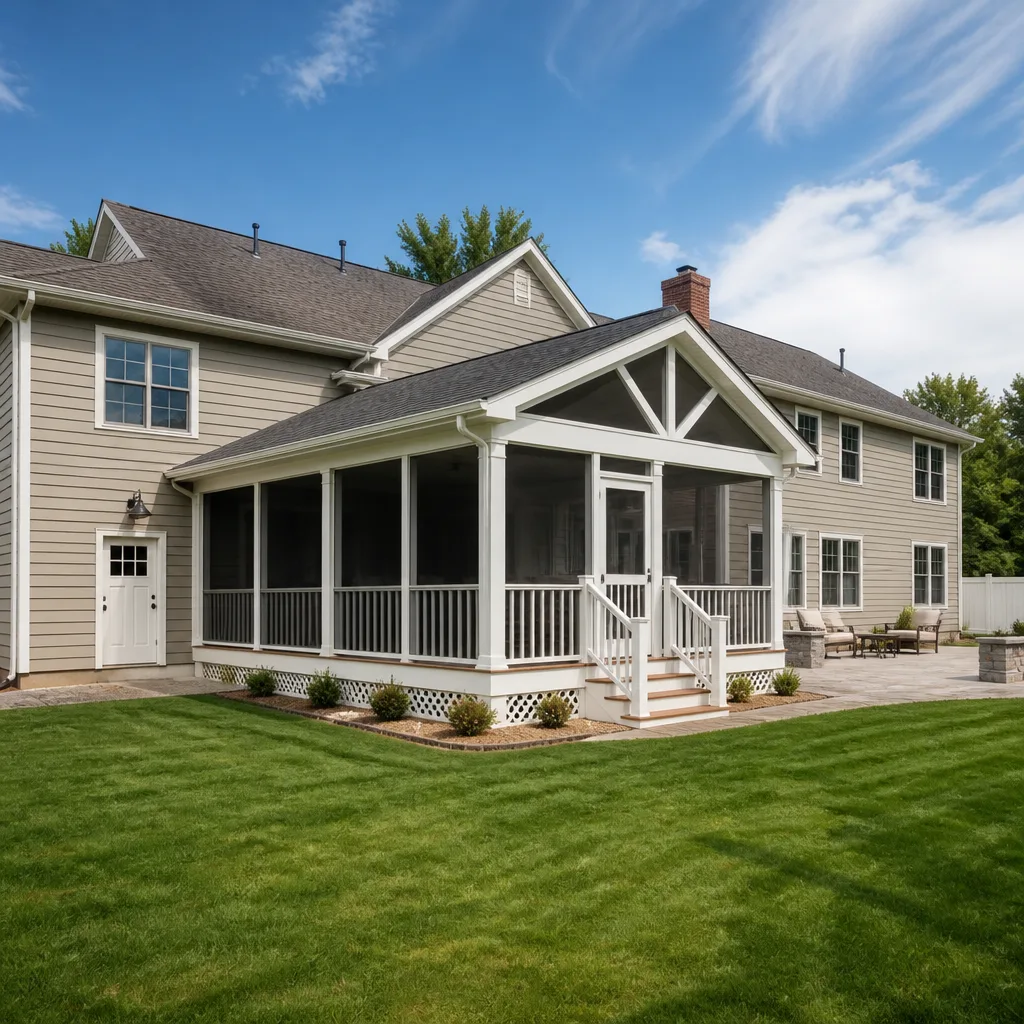 Reconstruction
Free visual inspection and a written scope of work before any mitigation begins - photos, moisture readings, and drying logs go in your claim file
The scope we write is the scope we bill. Anything new gets shown to you, in writing, before we touch it.
Get your free estimateFast, Reliable Fire Damage Restoration Across Round Rock
Fire damage restoration in Round Rock typically costs $2,800 – $6,500 for a moderate kitchen or garage fire, with smoke and soot cleanup running $1,200 – $3,200 when addressed within the first 48 hours. Most Round Rock homeowners we serve are back in a stabilized, dried-out home within three to seven days, with full rebuild work scoped and priced in writing before a single tool is touched. If you’re standing in a smoke-damaged living room right now, call (361) 326-2081 and a live person answers, 24 hours a day.
We work across Round Rock constantly, from Forest Creek to Brushy Creek to the older ranch-style streets near Downtown. Our crews know that a fire off Gattis School Road hits a different housing stock than one off A.W. Grimes, and that changes how we approach drying, soot removal, and rebuild. You don’t need a company that’s “familiar with the area” in a brochure sense. You need one that knows Round Rock has slab-on-grade homes from the 1970s sitting on expansive clay, newer production builds on former farmland, and storm seasons that punish under-specified repairs. We do.
Why Dryden Restoration Austin Is Round Rock’s Preferred Fire Damage Restoration Company
Dryden Restoration Austin is an independently owned and operated Kingswell company, founded in 2005, and led by Carl Brandt, who has built the business around a simple premise that most homeowners in Round Rock have learned not to expect: the price we write down is the price you pay, and if a repair fails within a year, we come back and fix it at no charge. That’s the 365-Day Done Right Promise. It’s in writing on every job, not rattled off over the phone and forgotten.
Every technician who walks into a Round Rock home is background-checked and arrives in a Dryden uniform. You know exactly who you’re letting through the front door, which matters more than ever at 3 a.m. after a fire. Our crews carry Dri-Eaz and Phoenix drying equipment, XPOWER air movers, and injectidry systems when floors need drying from underneath. Those are the same machines large commercial restoration crews run, and we explain what each one does in plain English before we plug it in.
Response time to Round Rock depends on where you are. We routinely reach homes along I-35, Highway 79, and the 45 corridor within an hour of your call, often faster off-peak. Dispatch and scheduling are coordinated from our Austin office, but the crews serving Round Rock are local, and they know the streets.
Restoration work we handle
Fire Damage Repair in Round Rock
Fire damage repair in Round Rock is the structural and finish work that comes after a fire has been put out and the immediate safety threats handled. It means cutting out charred framing, replacing drywall, re-running electrical where heat compromised wiring, and often rebuilding door openings to meet wind-rated standards that Round Rock’s storm season demands. A kitchen fire repair in a 1990s two-story off Wyoming Springs Drive will differ from a garage fire rebuild in a 2020s home near Teravista, and both need a written scope before work starts.
Structural framing and drywall replacement
Charred studs and joists get cut back to sound wood, not just sanded and covered. In Round Rock homes built in the 1970s and 80s, we frequently find that fire-suppression water has wicked down wall cavities into slab areas, which means the repair scope has to account for drying before drywall goes back up. We document every cut with photos.
Door and window replacement after fire
A fire-damaged exterior door in Round Rock shouldn’t just be swapped for whatever’s at the supply yard. This city gets hail and straight-line winds that keep us honest. Wind-rated and impact-rated hardware is the baseline for any exterior opening we rebuild, because a door that fails in the next storm is a second disaster the homeowner didn’t sign up for.
Fire Damage Cleanup in Round Rock
Fire damage cleanup in Round Rock means removing soot, smoke residue, and contaminated water from every surface the fire touched, including the ones you can’t see. It’s the first phase of restoration, and in Round Rock it carries a specific complication: the city sits directly over the Edwards Aquifer recharge zone, so wash water from fire suppression can’t simply be hosed into the yard or drained without secondary containment. We manage that from the first hour.
Soot and smoke residue removal
Soot from a house fire is acidic and chemically active. Left on painted drywall, it etches the finish within days. On metal fixtures and appliance surfaces, it corrodes. Our crews use dry-cleaning sponges for the first pass, then HEPA vacuuming and wet-cleaning with alkaline agents where appropriate. Every surface gets tested as we go, not cleaned once and assumed done.
Water extraction from fire suppression
The water that put out the fire is now the biggest hidden threat. In Round Rock’s older slab-on-grade homes, that water sits in wall cavities and under flooring where clay soil slows evaporation. We use moisture mapping to trace where it traveled, then place Dri-Eaz dehumidifiers and Phoenix air movers to dry the structure properly, not just until it looks dry.
Trusted Brands We Service in Round Rock
We run Dri-Eaz and Phoenix drying systems on Round Rock jobs because they deliver the precise RH control our local slab conditions require, and we stock XPOWER air movers and Injectidry mats in quantity for the deep-drying work that Round Rock’s clay-heavy sites demand. Our work follows IICRC, RIA, and IFA standards, which matters when your insurance adjuster asks who set the drying protocol and why. We can answer that in writing.
Common Fire Damage Restoration Problems We See in Round Rock Homes
- Fire-suppression water hidden in slab-on-grade wall cavities. The 1970s and 80s ranch homes throughout Round Rock have slab floors with no crawlspace, so water from fire hoses and sprinklers seeps down interior walls and pools under flooring. Clay soil slows evaporation below the slab, and mold can start before moisture readings even register a problem.
- Under-specified door replacements after fire damage. A post-fire repair that puts a standard exterior door where an impact-rated one belonged will fail in Round Rock’s next hail event. We spec wind-rated hardware as the default, not the upgrade.
- Compromised copper supply lines near the fire source. Heat from a kitchen fire travels into wall and cabinet voids, which can anneal copper piping. In Forest Creek homes with aging copper under slab, a fire-damage inspection that skips the supply lines misses the next leak waiting to happen.
- Asbestos surprise during pack-out in older Round Rock neighborhoods. Vintage construction in Brushy Creek and other 1970s-80s subdivisions sometimes contains asbestos in textured ceilings, vinyl flooring, or drywall compound. Fire cleanup can disturb those materials, which triggers abatement rules that unlicensed restorers don’t carry the permitting for.
See the difference
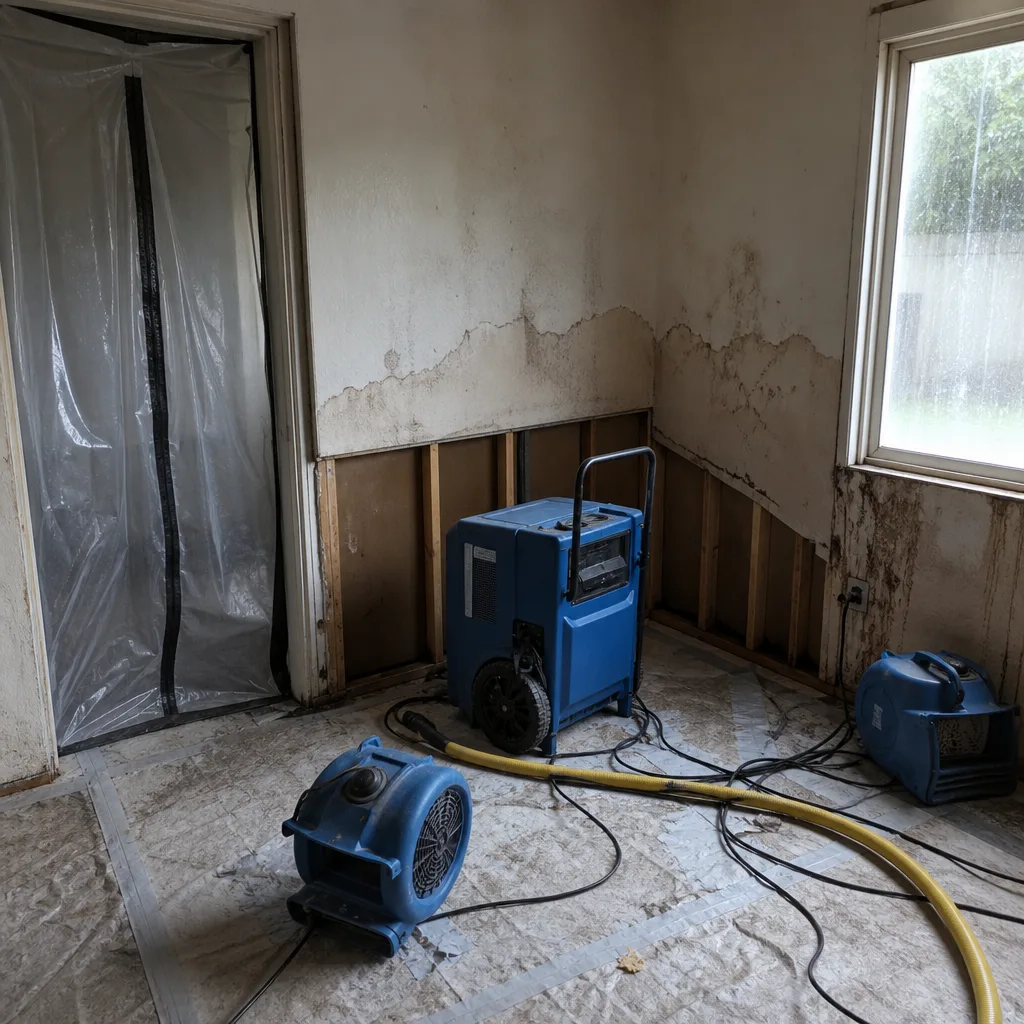 Before
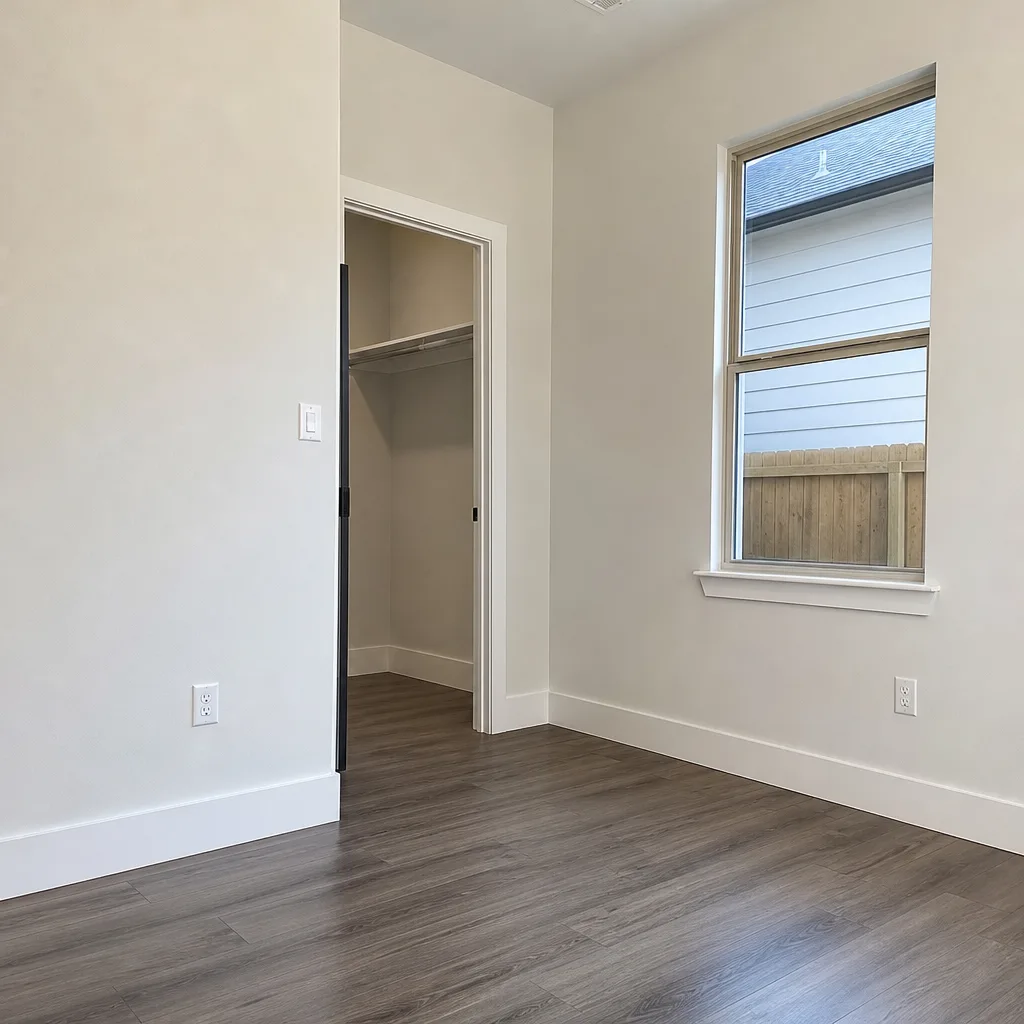 After
After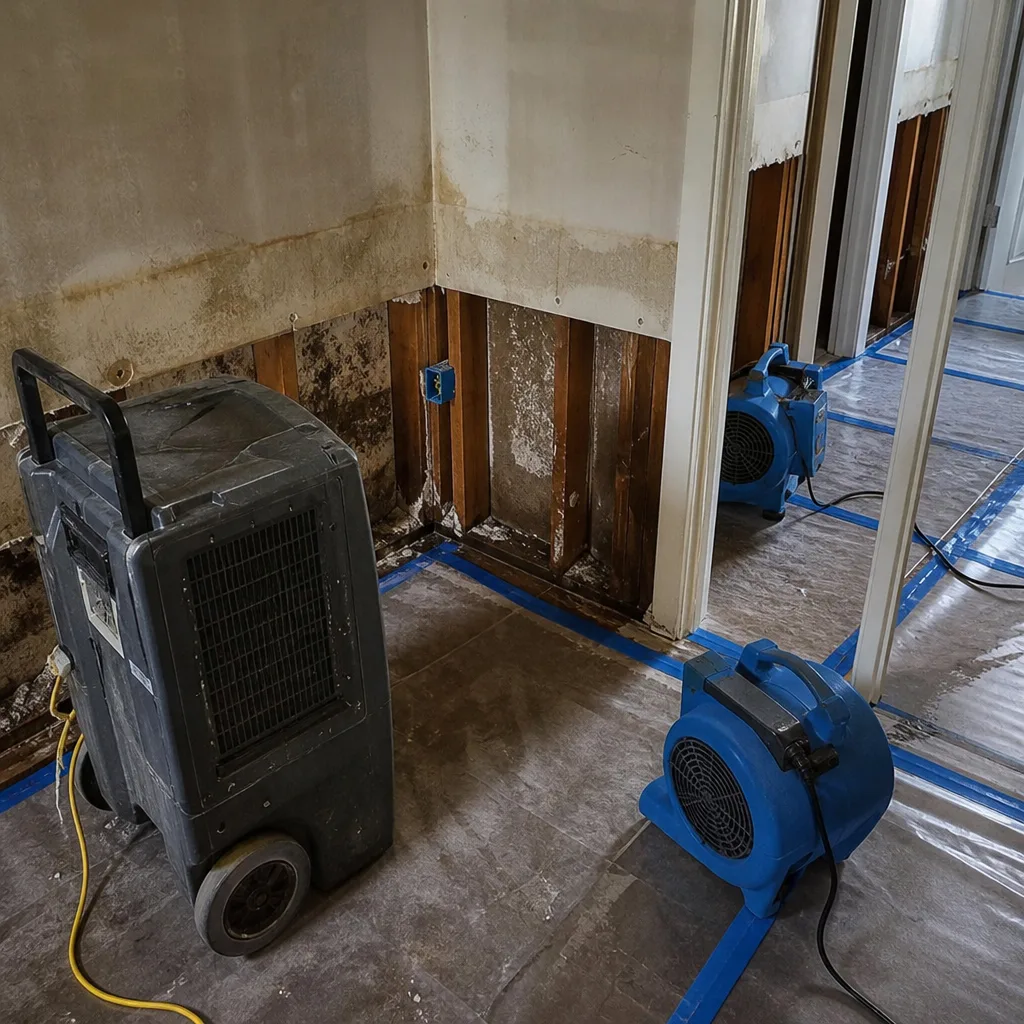 Before
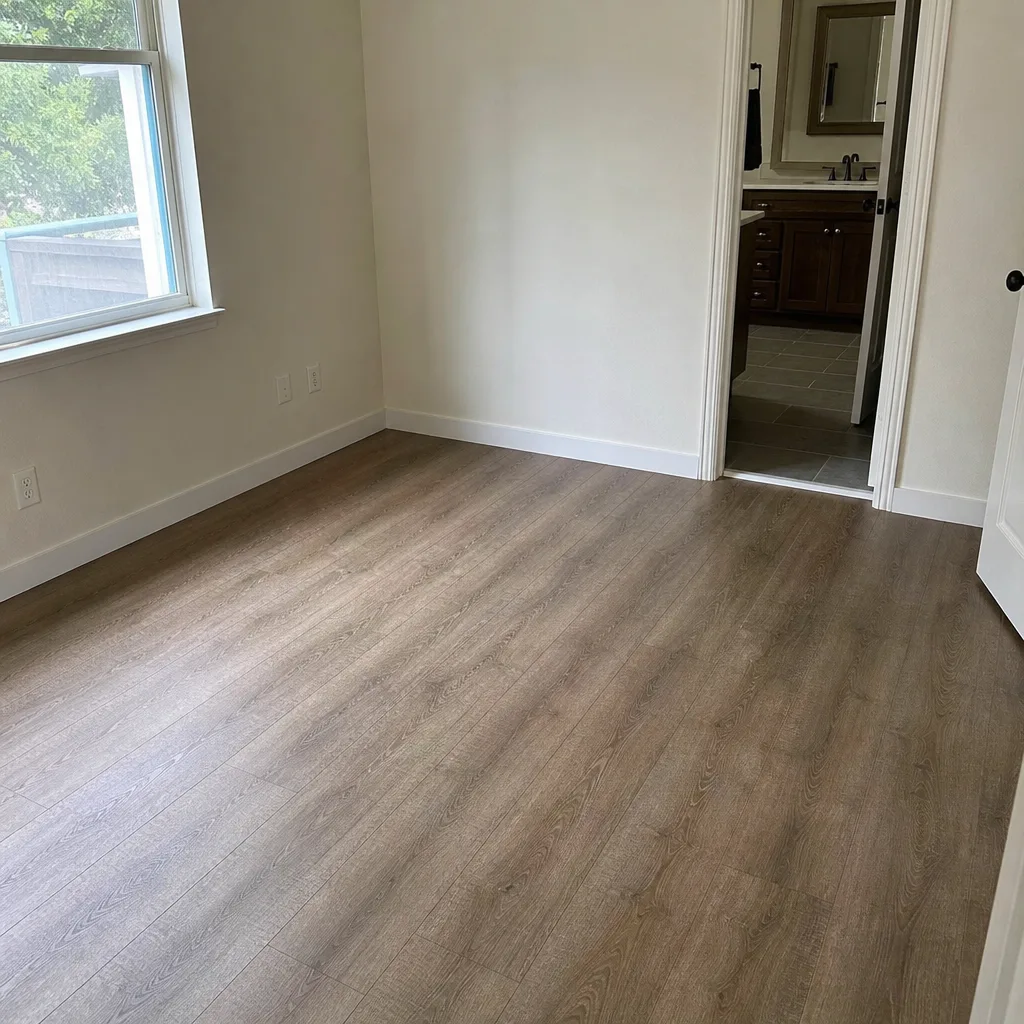 After
After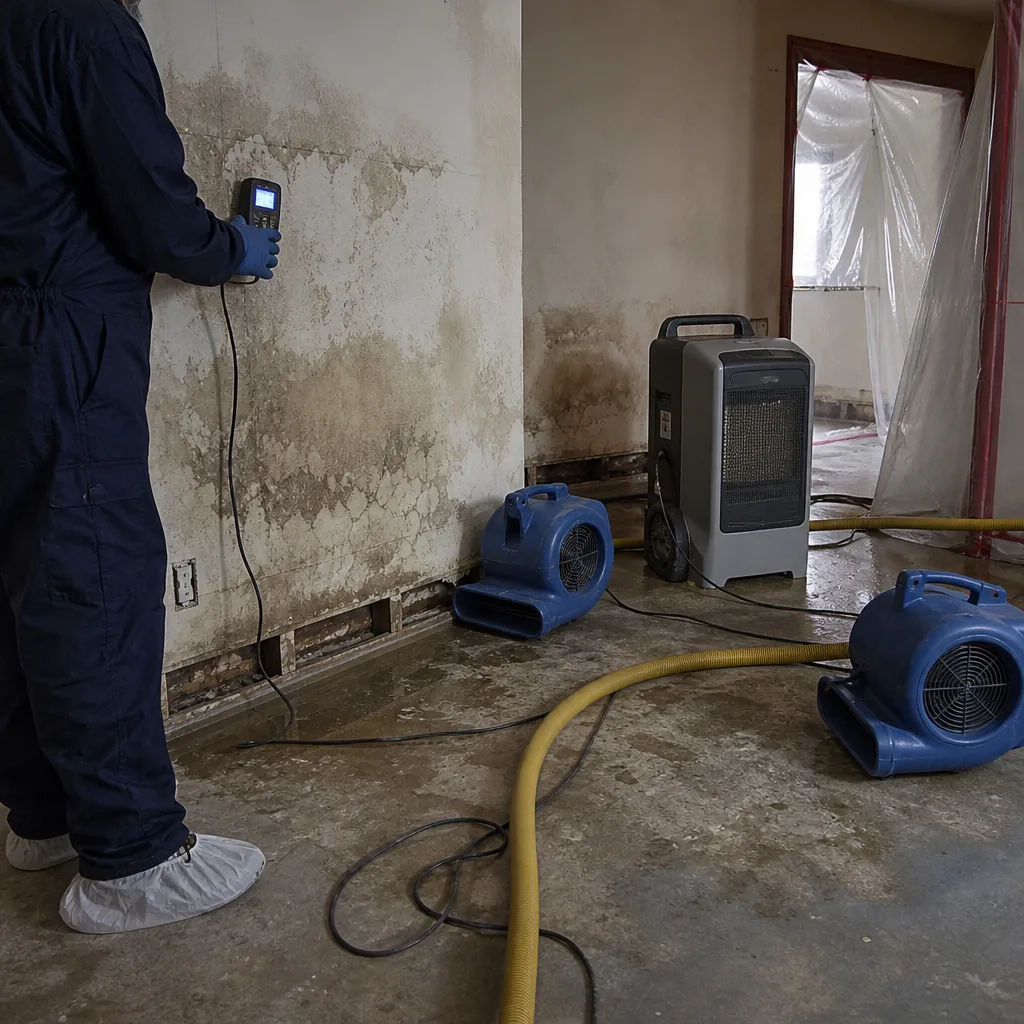 Before
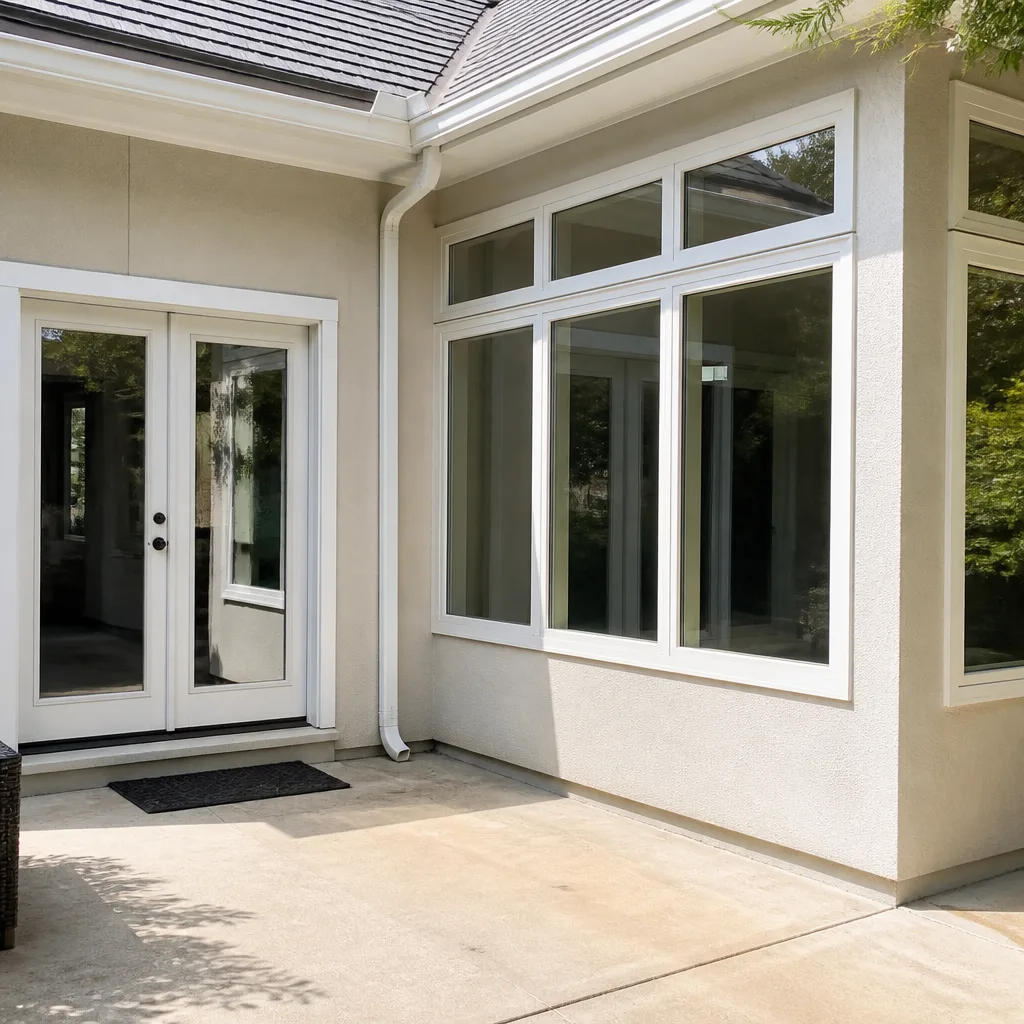 After
AfterPricing for Fire Damage Restoration in Round Rock, TX
We Also Serve Cities Near Round Rock
Dryden handles fire damage restoration for Round Rock homeowners and also covers Leander, Austin, Taylor, and Bastrop. If you’re in a nearby community and got routed here, the same team and the same 365-Day Done Right Promise apply. You can also see our full Fire Damage Restoration service detail or read more about Fire Damage Restoration in Round Rock coverage specifics on our city page.
Serving Round Rock, TX - Our Local Coverage Area
We’re based in the Round Rock area and know this community well. Use the map below to see our service coverage - if you’re nearby, we can almost certainly help.
FAQs About Fire Damage Restoration in Round Rock
How does Round Rock’s position over the Edwards Aquifer recharge zone affect fire damage cleanup?
Fire suppression wash water in Round Rock can’t be drained into soil without secondary containment, because the city sits directly over the Edwards Aquifer recharge zone, and contaminants can reach the water supply faster than in most Williamson County cities. Our cleanup protocols capture rinsate, neutralize what’s possible, and dispose of the rest through permitted channels. If a restoration company doesn’t mention this on a Round Rock fire job, ask why. Call (361) 326-2081 to talk through what it means for your house.
Why do fire-damaged homes in older Round Rock neighborhoods like Forest Creek often need slab leak inspection during restoration?
Heat from a fire can anneal copper supply lines, and older Round Rock homes in Forest Creek and similar subdivisions already have copper under slab that’s prone to hidden leaks as it ages. During fire restoration, we moisture-map the slab and pressure-test lines near the fire source before rebuilding, so you don’t get a slow leak behind new drywall. It’s a step we take because we’ve seen what skipping it costs homeowners.
Do Round Rock building codes require wind-rated doors after a fire damage repair?
Round Rock’s storm exposure means exterior doors rebuilt after a fire should meet wind-rated or impact-rated standards, and our default on any post-fire door replacement is to spec hardware that survives the city’s hail and straight-line winds. If a cheaper quote uses a standard slab door, that’s a repair that fails in the next storm. The price difference is real, and so is the reason for it.
How quickly can mold start after a fire in a Round Rock home with clay soil?
Mold can start within 48 to 72 hours when fire-suppression water sits in Round Rock’s slab-on-grade wall cavities, because clay soil slows drying from below and keeps humidity trapped against the drywall. That’s why we begin structural drying with Dri-Eaz dehumidifiers on the same visit, not after a delay. The clock is ticking the moment the fire goes out.
What category of water is typical after a residential fire in Round Rock, and how does that change the restoration scope?
Fire suppression water is typically Category 2 or Category 3, depending on what the fire consumed and how long it sat, which means it’s classified as contaminated and requires antimicrobial treatment before any rebuild, not just drying. In Round Rock, the recharge zone adds a disposal layer on top of that. We handle both, and we document everything for your adjuster.
Call Dryden Restoration Austin for Fire Damage in Round Rock
If your Round Rock home has fire, smoke, or soot damage, call (361) 326-2081 now. A live person answers, 24 hours a day. We’ll give you a written price before any work begins, show up in the window we promised, and back the repair with the 365-Day Done Right Promise in writing. Carl Brandt and the Dryden crew have been doing this since 2005, and we answer the phone like the local company you actually need in a bad week.
Written by Carl Brandt, Owner at Dryden Restoration Austin, serving Round Rock homeowners with fire damage restoration, smoke cleanup, and structural rebuild since 2005.