

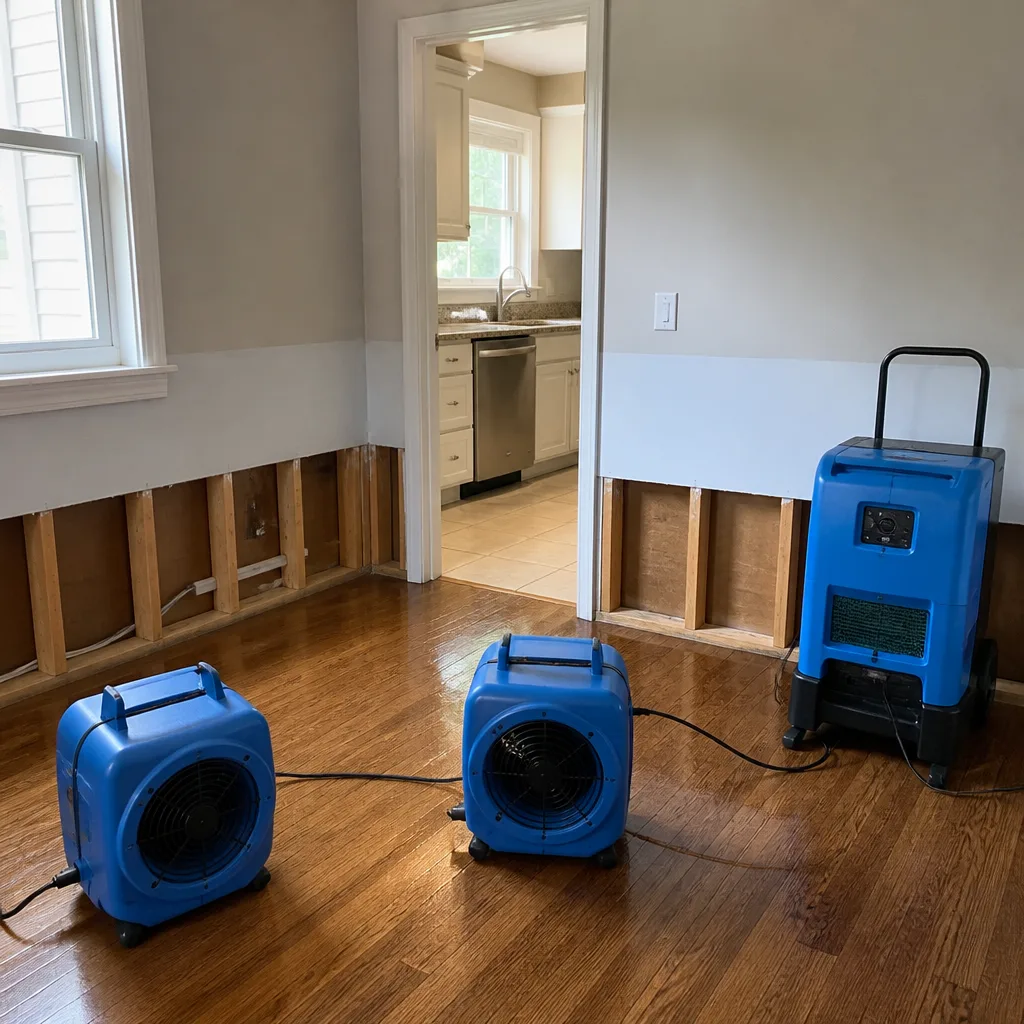
 Water damage drying
 Fire & smoke cleanup
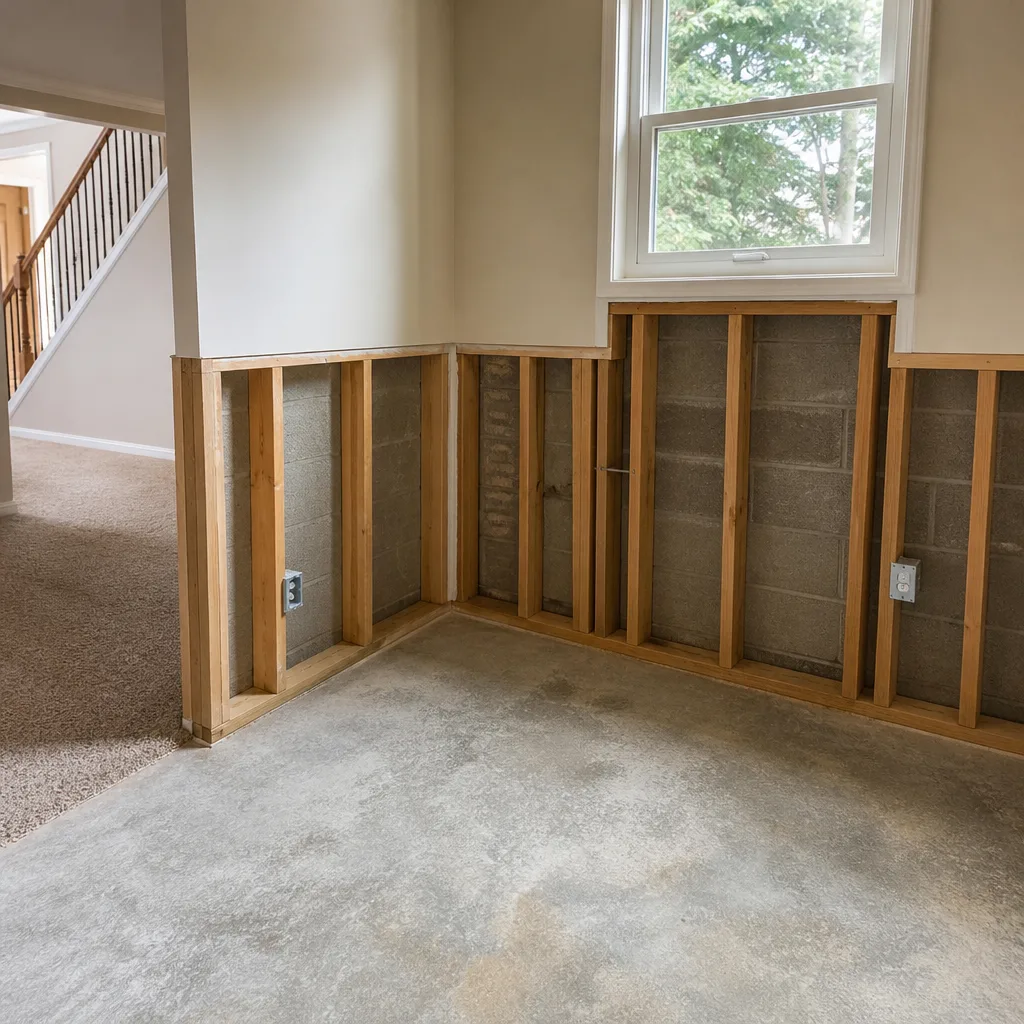 Mold remediation
 Storm response
 Sewage cleanup
 Reconstruction
Free visual inspection and a written scope of work before any mitigation begins - photos, moisture readings, and drying logs go in your claim file
The scope we write is the scope we bill. Anything new gets shown to you, in writing, before we touch it.
Get your free estimateFast, Reliable Fire Damage Restoration Across Austin
A house fire in Austin moves fast, and so do we. Fire damage restoration in Austin typically costs between $3,200 and $8,900 for a moderate kitchen or garage fire, with soot removal and smoke odor work running $900 to $2,400 on their own. Our crews serve every Austin neighborhood from Circle C to Wells Branch, and a live person answers at (361) 326-2081 when you call. We know the slab-on-grade ranches east of I-35, the pier-and-beam bungalows in Hyde Park, and the builder-grade two-stories packing the outer loops. Local knowledge means we sequence restoration around Austin’s flash-flood calendar, not against it.
Key Takeaways
- Fire damage restoration in Austin runs $3,200 – $8,900 for a typical room-and-contents job; soot removal alone is $900 – $2,400.
- We are an independently owned and operated Kingswell company, not a franchise call center.
- Every job gets a written price before work starts and a written 365-Day Done Right Promise.
- Our Fire Damage Restoration crews handle board-up, soot, smoke, and structural repair in one coordinated pass.
Why Austin Homeowners Call Dryden Restoration Austin First
Most Austin homeowners have never filed a fire claim before the night they need to. Carl Brandt, who leads our restoration team, has spent years walking Austin homes after kitchen fires, garage fires, and attic fires, and he will tell you the same thing every time: the fire is only half the problem. The water used to fight it, the soot that travels through open-plan living areas, and the smoke that pushes into slab cracks and wall cavities are what make a home unlivable weeks later. We are an Austin crew, not a dispatch service routing technicians from Dallas or Houston.
Our technicians are background-checked and uniformed, so when someone walks through your door off Brodie Lane or Spicewood Springs, you know who they are. The equipment we bring is the same professional-grade fleet used on commercial jobs: Dri-Eaz dehumidifiers, Phoenix air movers, and XPOWER air scrubbers, run to IICRC, RIA, and IFA standards. We do not rent consumer fans from a big-box store. We do not guess at moisture readings. We map them, document them, and show you the numbers before we touch a tool.
Restoration work we handle
Soot Removal in Austin
Soot removal in Austin’s 1960s-80s slab-on-grade ranches is a different job than it is in a newer two-story with central HVAC. Those older homes east and south of downtown often lack whole-house return ducts, which means soot settles into every room off a single hallway, and the alkaline soot from burned synthetics etches into painted drywall and sealed concrete. A typical Austin soot removal job runs $900 to $2,400, depending on square footage and whether contents packing is needed. The first step is always containment. If we do not seal off the affected area, soot travels into bedrooms and closets and doubles the scope of the job.
Dry Sponge and HEPA Vacuuming on Painted Surfaces
We use dry chemical sponges first because wet cleaning drives soot deeper into latex paint. Then HEPA-filtered vacuums pull loose carbon from walls, ceilings, and the tops of door casings where soot likes to collect. This is slow, methodical work, and it matters more in Austin’s older stock where decades of repainting mean soot has more surface layers to grip.
Slab Edge and Baseplate Soot Penetration
In a slab-on-grade ranch, soot does not stop at the baseboard. The same expansive clay soils that crack Austin foundations leave micro-gaps along the slab edge, and soot works into those gaps and resists standard wall cleaning. We pull baseboards, inspect the sill plate, and use air scrubbing plus alkaline-neutralizing agents to pull carbon out before it becomes a smell that returns every humid summer.
Fire Damage Restoration Company in Austin
A fire damage restoration company in Austin has to understand slab-level construction, hard water, and open-plan floor layouts, because all three change the job. When firefighters knock down a kitchen fire in a Mueller bungalow or a Circle C two-story, the water they use pools on concrete or runs into crawl spaces and steams off during Austin’s hot afternoons. Full fire damage restoration in Austin runs $3,200 to $8,900 for a moderate room fire, and structural repair after a larger event can push higher. We will give you a written price before any tool is touched, and that number does not change at the door.
Emergency Board-Up and Containment
After the fire is out, the house is open to weather, animals, and lookers. We board up broken windows, tarp roof penetrations, and set containment zones inside so soot and odor do not spread. In Austin, where spring thunderstorms roll in fast, getting a roof sealed before the next downpour hits is the difference between a contained restoration and a second water loss.
Structural Drying After Firefighting Water
The water from a fire hose is Category 2, full of contaminants, and it does not evaporate cleanly. We run moisture mapping across floors and walls with Dri-Eaz and Phoenix equipment, measure RH (relative humidity) in wall cavities and under vinyl plank, and dry to documented levels before reconstruction begins. Rushing this step in an Austin home, especially one on a slab, is how you get mold blooming under the floors six weeks after the repair.
Trusted Brands We Service in Austin
When fire tears through an Austin home, it leaves damage behind that touches every system a homeowner relies on: electrical, plumbing, drywall, flooring, and HVAC. We service and restore every major residential brand found in Austin homes, including Rheem and Bradford White water heaters, Carrier and Trane HVAC units, and standard residential finishes common in the city’s ranch and builder-grade stock. We stock common replacement parts locally so we are not waiting on a distributor in San Antonio while your home sits open. Turnaround on emergency mitigation usually starts within hours, not days, because we keep the trucks loaded for Austin’s most common fire-loss patterns: garage fires, grease fires, and water heater failures.
See the difference
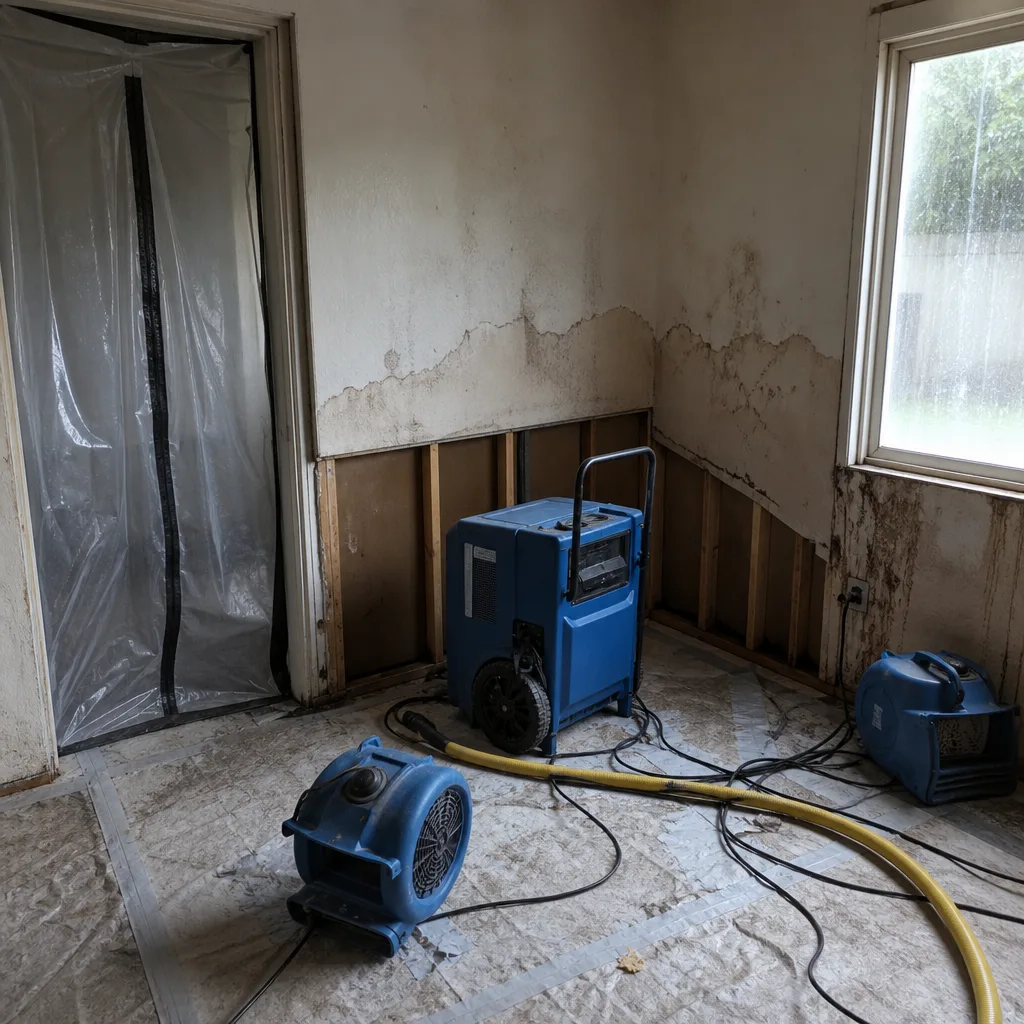 Before
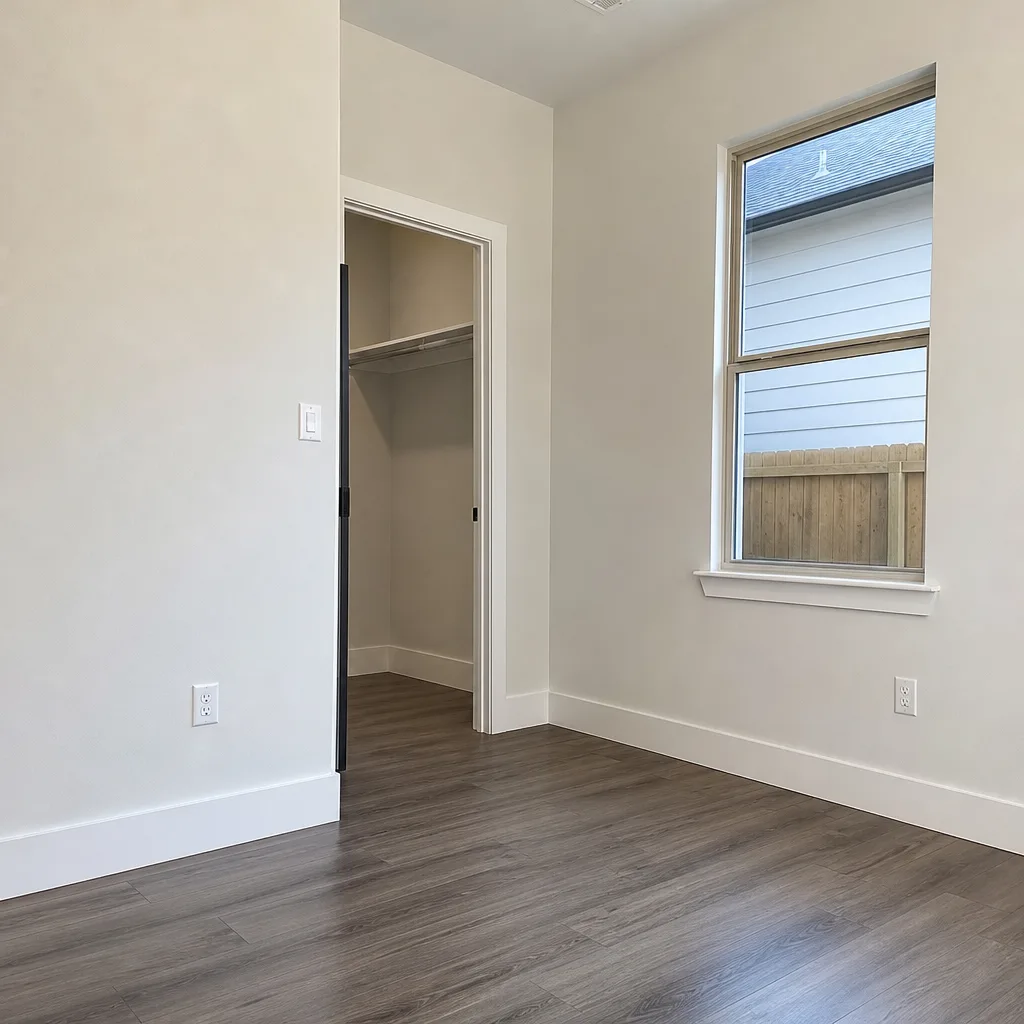 After
After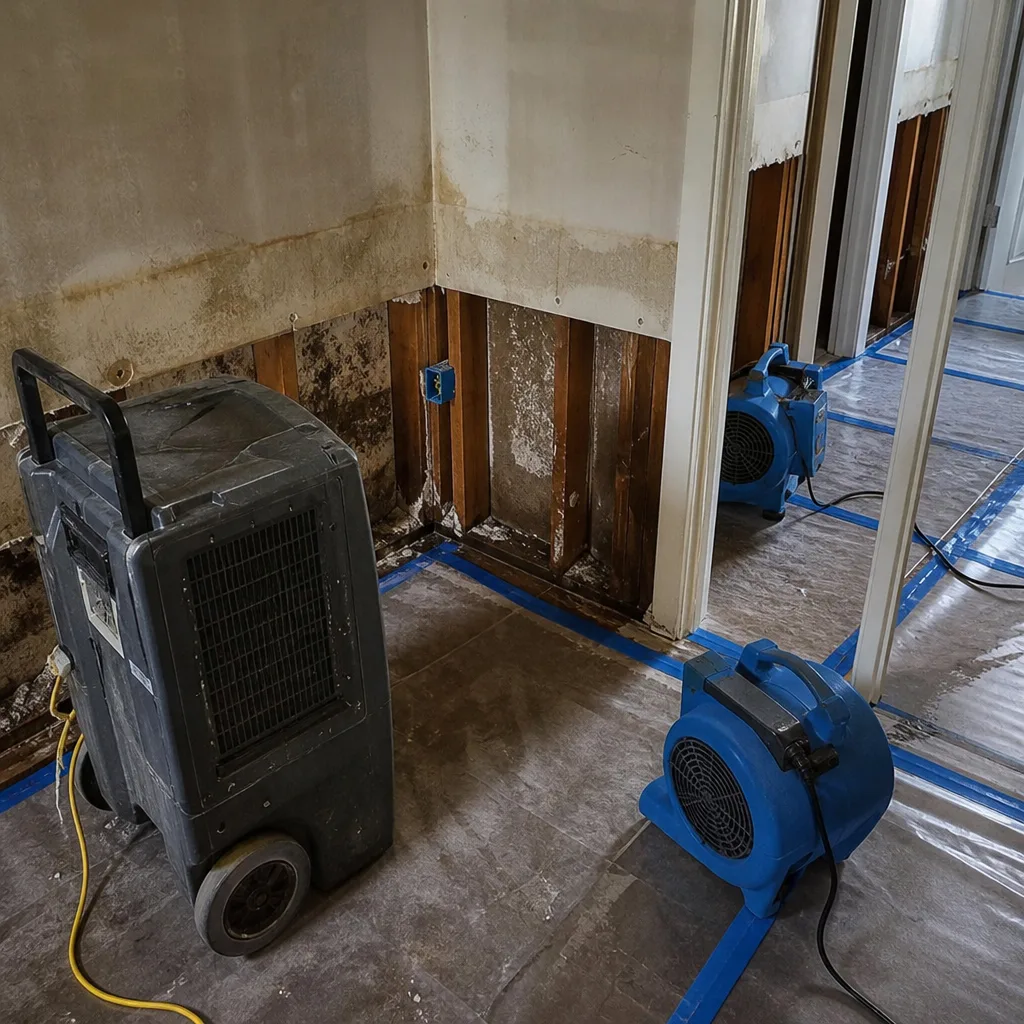 Before
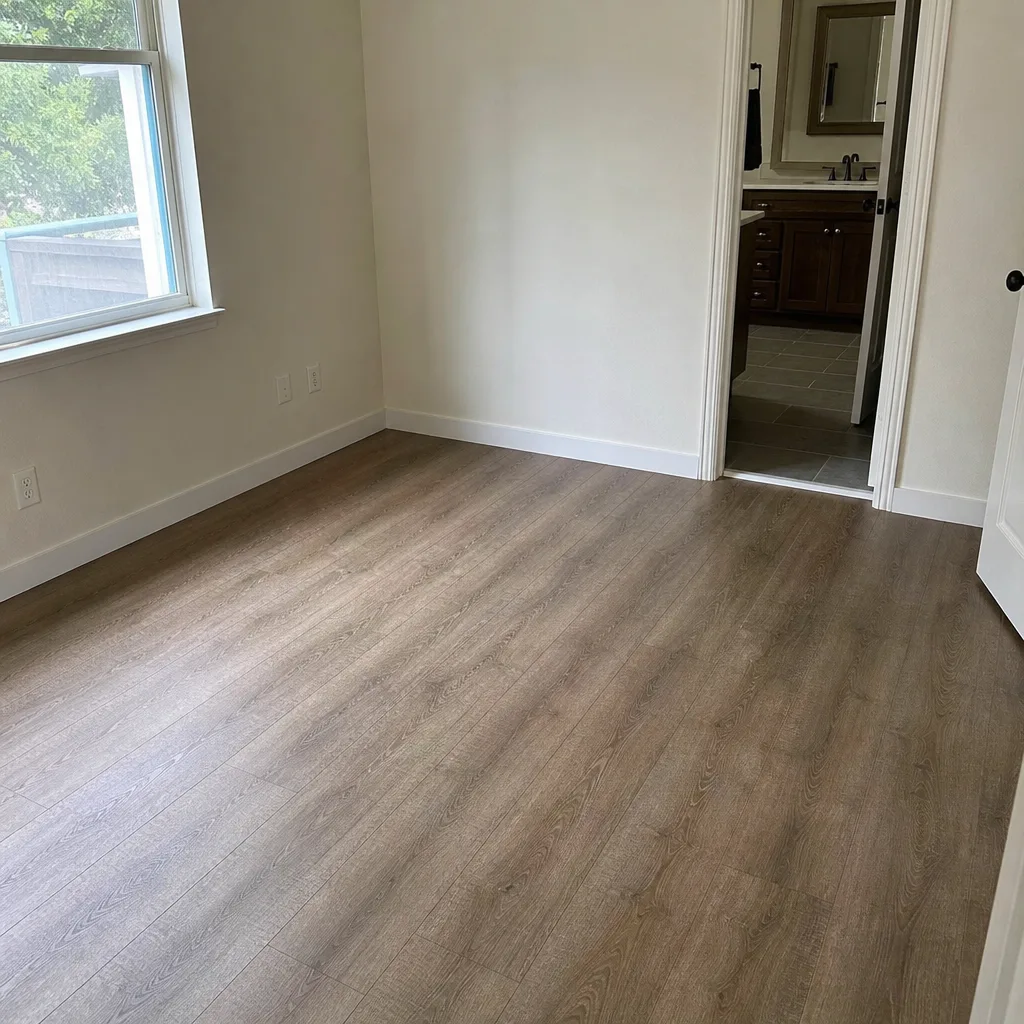 After
After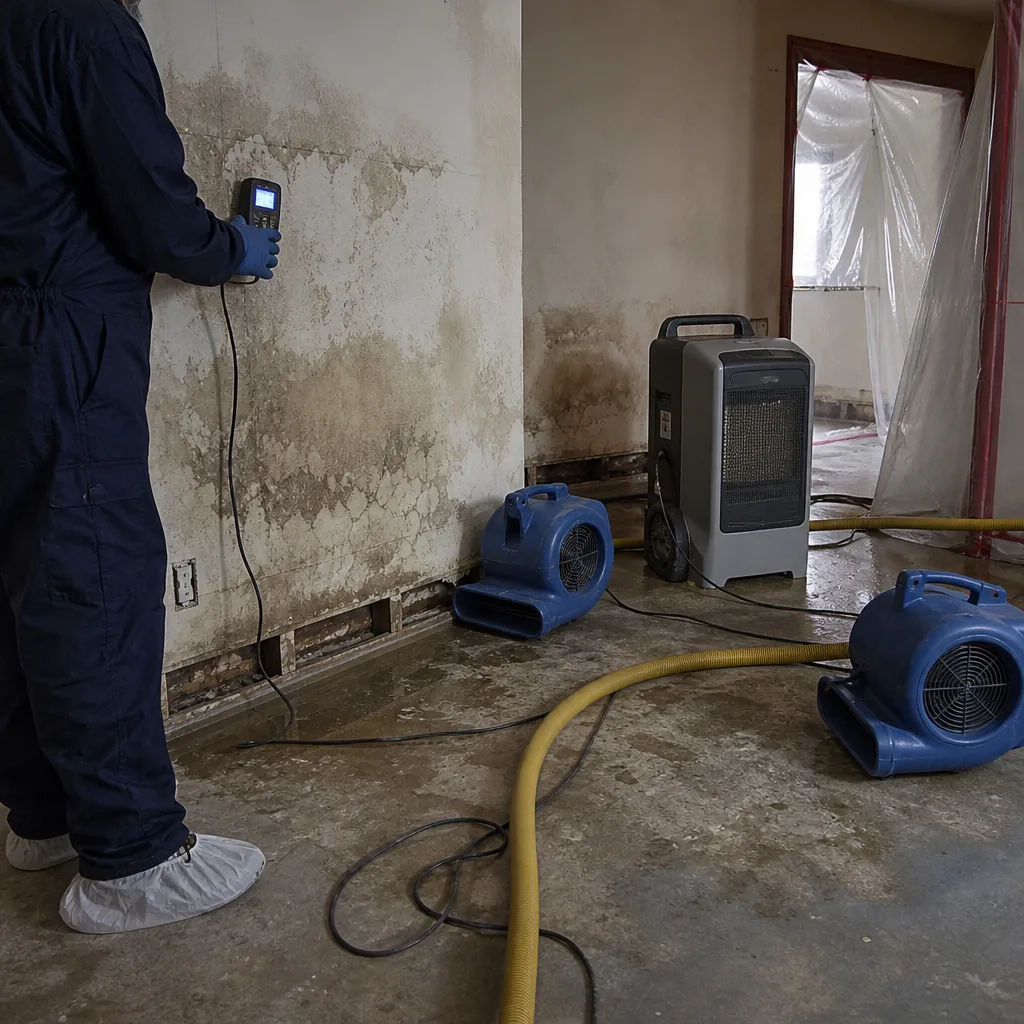 Before
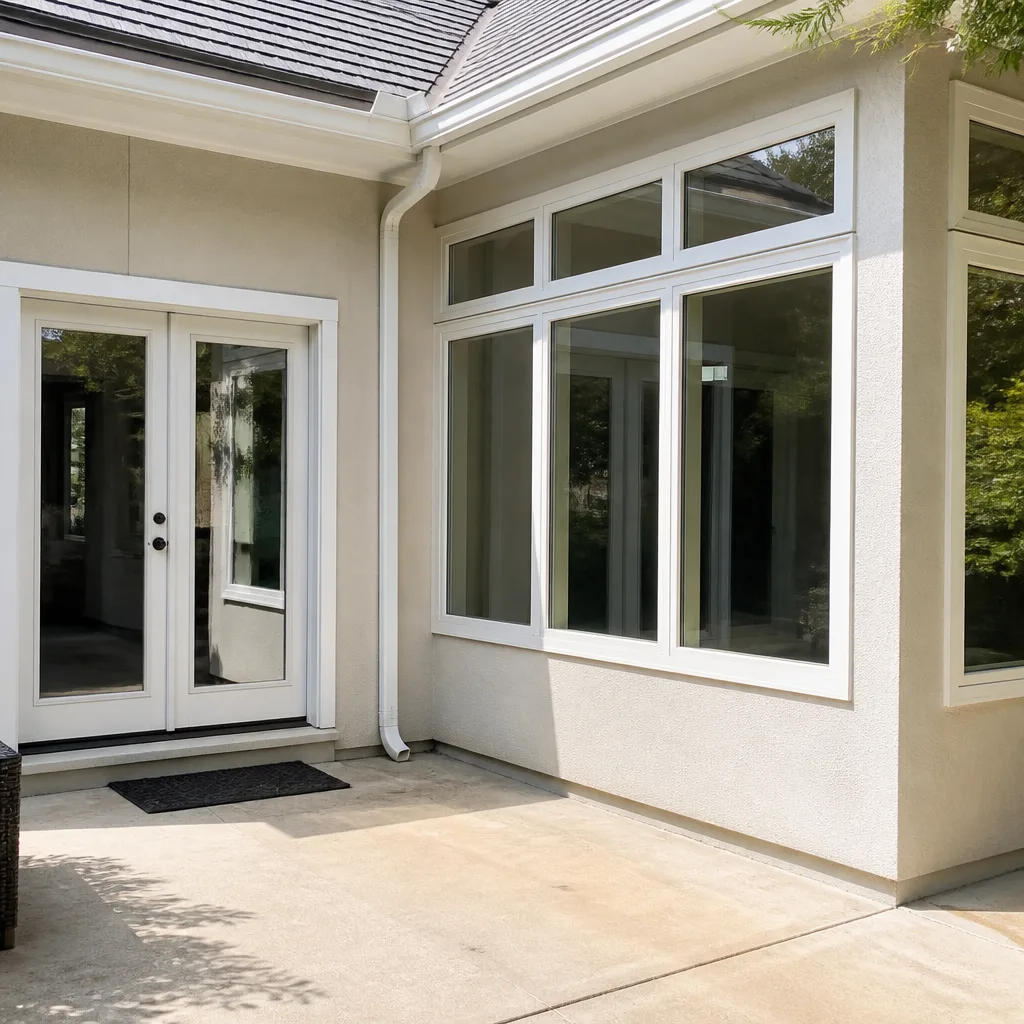 After
AfterCommon Fire Damage Restoration Problems We See in Austin Homes
- Soot migration through open-plan living areas. Austin’s ranch homes and modern remodels favor open layouts, which means a kitchen fire sends soot through the entire central living space and down hallways into bedrooms. Containment has to be set immediately, or the scope of packing and cleaning triples.
- Slab-level moisture entrapment. Austin’s expansive clay soil cracks concrete slabs over decades, and firefighting water seeps into those micro-cracks and sits there. Without moisture mapping and structural drying, mold grows on the alkaline concrete surface and odors return months later.
- Copper-to-galvanized transition leaks behind water heaters. This is the Austin-specific failure we see constantly. Hard, limestone-filtered water corrodes the galvanized fitting where it meets copper, the pinhole leak drips long enough to rot the baseplate, then a fire or a failed water heater turns a slow problem into a full mitigation job.
- Flash-flood sequencing conflicts. In some cities, you can dry a house on any schedule. In Austin, low-lying neighborhoods along creeks and the eastern flatlands face stormwater intrusion during flash-flood season, which means we sequence exterior board-up and roof sealing before interior drying whenever storms are in the forecast.
Pricing for Fire Damage Restoration in Austin, TX
Here is what Austin homeowners can expect to pay, in real ranges, not vague promises:
- Soot removal and dry cleaning: $900 – $2,400 for a standard room and adjoining hallway.
- Smoke odor removal with ozone or hydroxyl treatment: $600 – $1,800.
- Emergency board-up and tarping: $400 – $1,200.
- Full fire damage restoration, including structural drying and finishing: $3,200 – $8,900 for a moderate kitchen or garage fire. Larger losses run higher and are scoped in writing.
What moves the number: square footage, whether Austin’s slab or crawlspace complicates drying, how far soot traveled before containment, and whether contents need packing and offsite cleaning. Every estimate is free, and the written price you approve before work starts is the price you pay. Call (361) 326-2081 and we will walk a real human through your situation, not a script.
We Also Serve Cities Near Austin
Our Fire Damage Restoration crews cover the whole Austin metro, including Round Rock, Leander, Kyle, and Taylor. Same coordinated response, same written pricing, same 365-Day Done Right Promise. No matter which side of the metro you are on, you are calling a local Austin-based team, not a call center.
Serving Austin, TX - Our Local Coverage Area
We’re based in the Austin area and know this community well. Use the map below to see our service coverage - if you’re nearby, we can almost certainly help.
FAQs About Fire Damage Restoration in Austin
Austin’s hard water leaves mineral residue everywhere it evaporates, and on a slab-on-grade ranch after a fire, that residue bonds with soot and alkaline ash on the concrete. We treat it with neutralizing agents and document moisture levels before and after drying, because if hard water is left to dry naturally in slab cracks, the minerals get pulled back up as efflorescence and the smoke smell returns with the humidity. Call (361) 326-2081 to have us assess whether your slab needs chemical treatment, not just drying.
The biggest risk is smoke and soot settling into the attic insulation and the cavity walls, then releasing odor every time Austin’s long, hot summers bake the attic above 130 degrees. In a central Austin bungalow with pier-and-beam construction, that smell travels down through the walls and into living spaces. We remove affected insulation, air-scrub the cavities, and seal before new insulation goes in. Ignoring it means the smell comes back every June.
East of I-35, the garage slab has typically shifted and cracked on expansive clay, and those cracks give firefighting water and soot a place to hide. If your water heater is in the garage, we check the copper-to-galvanized transition behind the wall, because that is where hard-water pinhole leaks start and where the baseplate rots first. We drill moisture probes into the slab edge, not just the surface, and dry until the numbers clear. A surface reading that looks dry can hide a wet slab that feeds mold for months.
During spring and fall storm months, we sequence exterior work first: board-up, tarping, and roof sealing happen before interior drying when flash-flood forecasts are active. Low-lying neighborhoods along creeks and the eastern flatlands are especially vulnerable, and a home with a compromised roof after a fire becomes a water intrusion risk within hours. Interior drying and soot work then proceed once the envelope is sealed, documented, and stable.
Yes. The same open-plan remodel that makes a 1970s Austin ranch feel modern also gives soot and smoke an uninterrupted path from the kitchen through the living area and down the hallway into bedrooms. By the time our crew arrives, the soot has often traveled farther than the homeowner realizes. We set containment at the first doorway, not at the fire room’s edge, and that keeps a $1,500 soot cleanup from becoming a $6,000 full pack-out. Call (361) 326-2081 and we will tell you honestly whether containment should have gone up sooner, and what it will take from here.
If you have fire damage anywhere in Austin, from East Riverside to Jollyville, call (361) 326-2081. A live person answers, we give you a written price before work starts, and every repair is covered by our written 365-Day Done Right Promise. If a covered repair fails within a year, we come back and fix it at no charge. Carl Brandt and the Dryden Restoration Austin team will treat your home the way we would treat our own, and we will show you the numbers the whole way through.
Written by Carl Brandt, Owner at Dryden Restoration Austin, an independently owned and operated Kingswell company serving Austin, TX.