
Last updated October 16, 2026
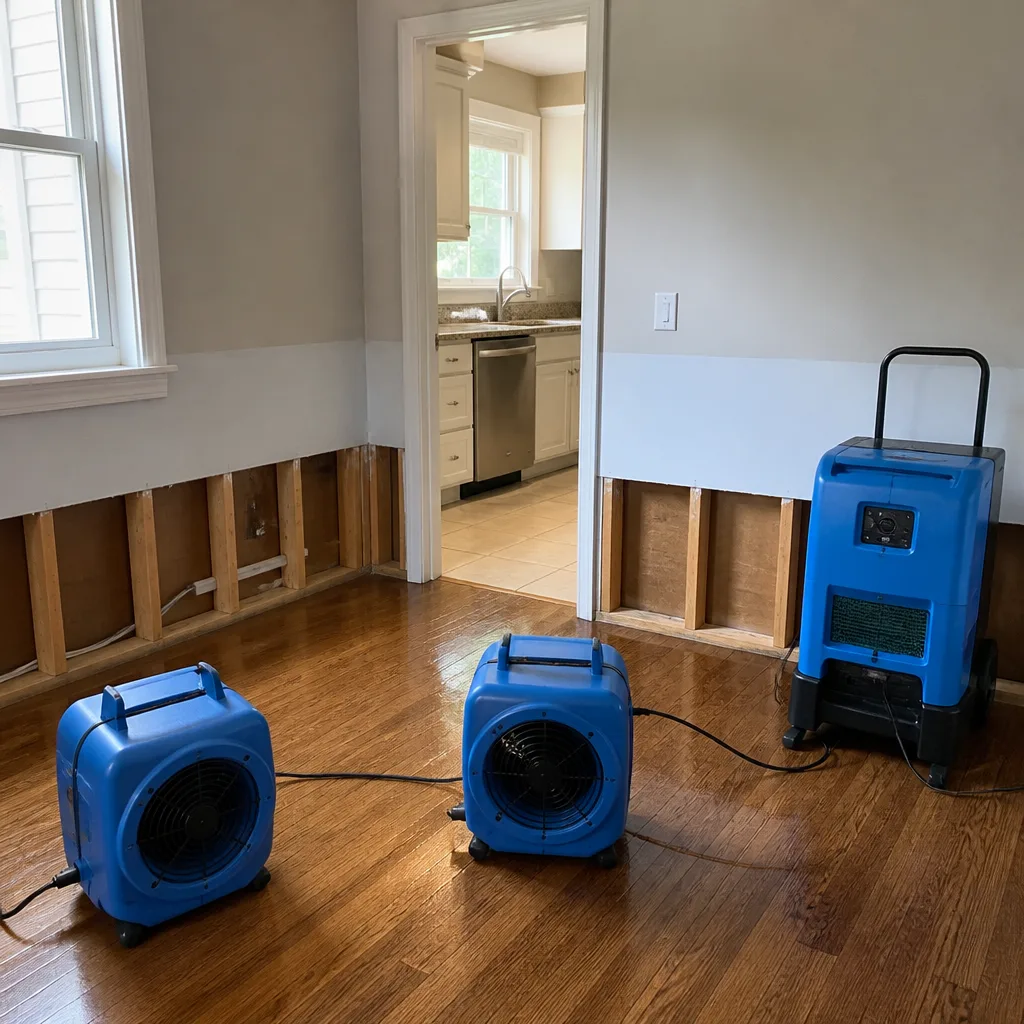 Water damage drying
 Fire & smoke cleanup
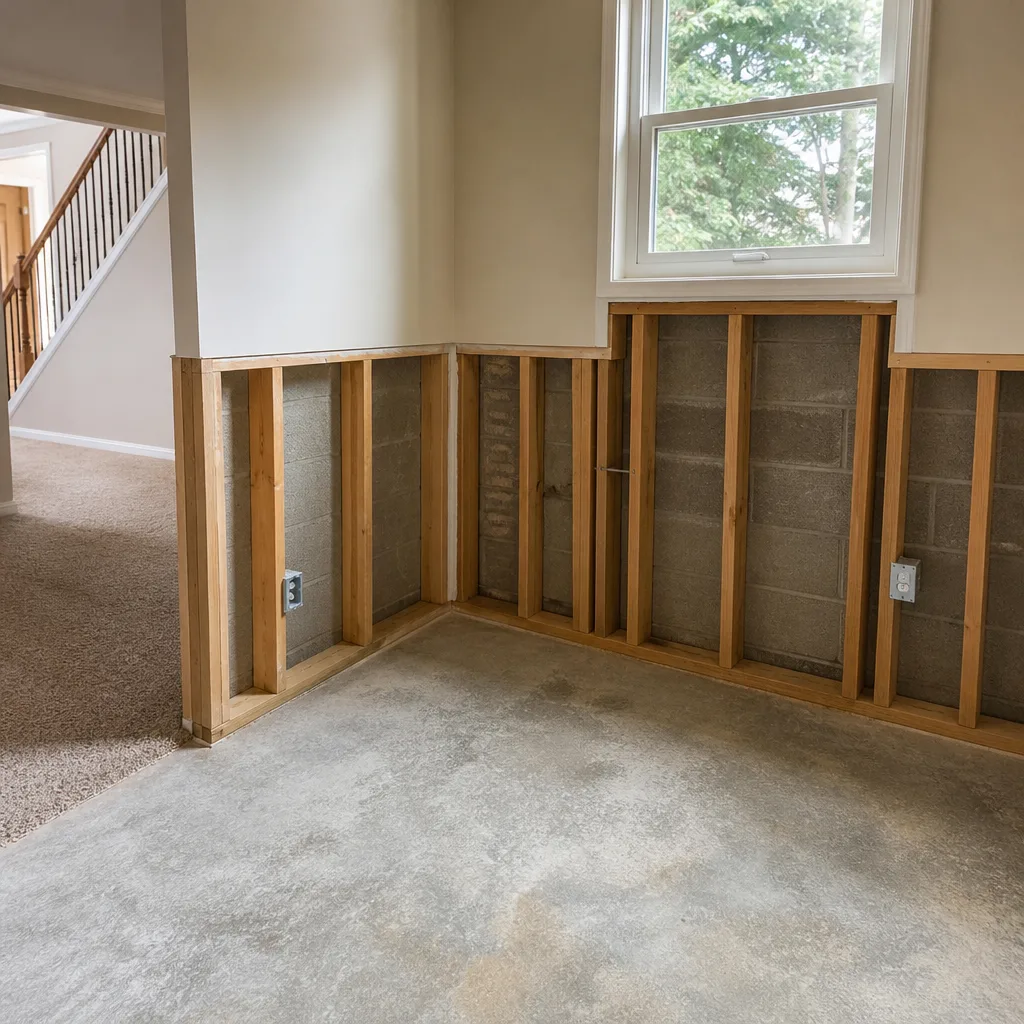 Mold remediation
 Storm response
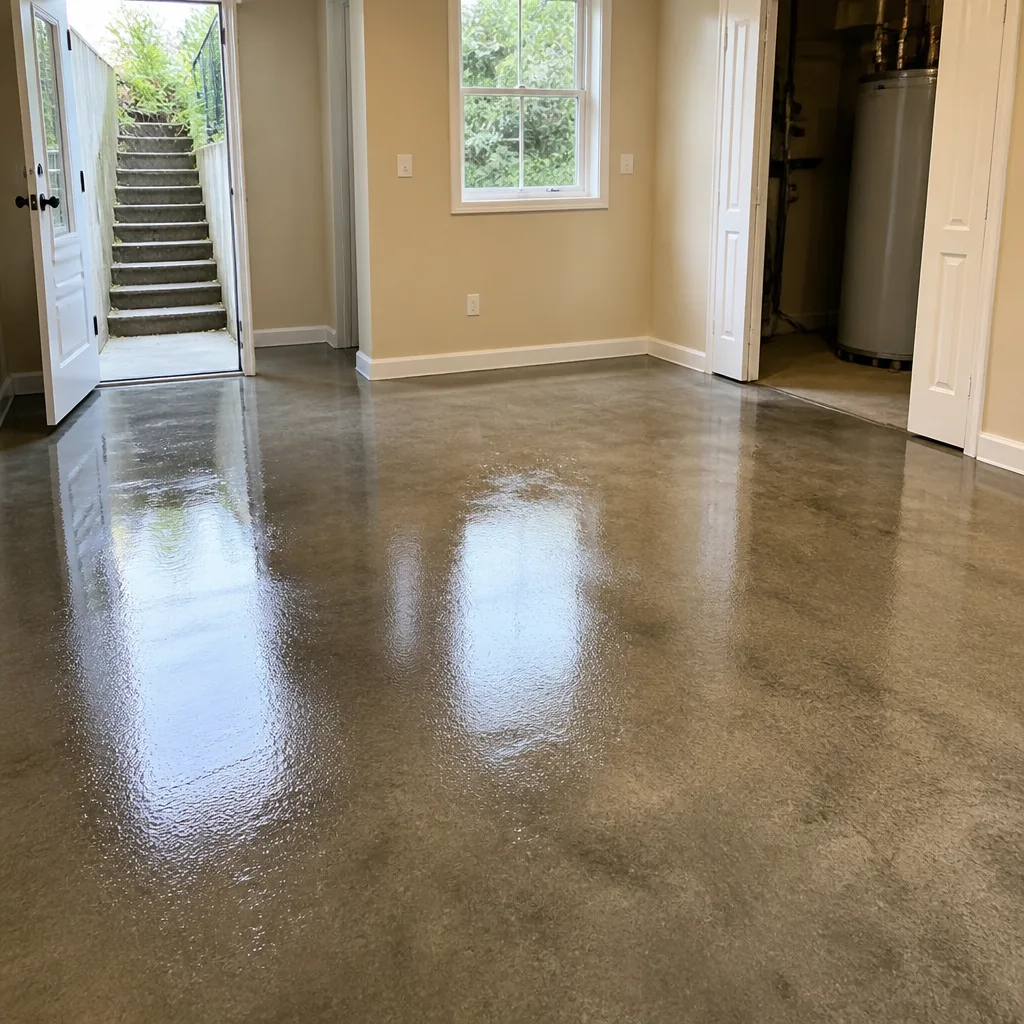 Sewage cleanup
 Reconstruction
Free visual inspection and a written scope of work before any mitigation begins - photos, moisture readings, and drying logs go in your claim file
The scope we write is the scope we bill. Anything new gets shown to you, in writing, before we touch it.
Get your free estimateDamage Restoration Warning Signs: A Austin Homeowner’s Reference Guide
Here’s a pattern we’ve seen repeat itself hundreds of times across Austin since 2005: by the time a homeowner calls us, the water has already been working quietly for weeks, sometimes months. The costliest restoration jobs we handle in Austin rarely start with a burst pipe. They start with a small stain on a ceiling, a baseboard that felt slightly swollen, a closet that smelled a little earthy. One Austin homeowner we worked with in the Crestview neighborhood had been noticing a faint musty smell in a hallway for six months before the drywall finally gave way, revealing a pinhole leak that had been feeding mold inside the wall cavity the entire time. That single delay turned a $600 plumbing repair into a $14,000 restoration. This guide exists so you can spot the warning signs early, understand what they mean in Austin’s specific climate, and know when to act. For seasonal damage restoration care for Austin, see our year-round homeowner’s guide.
Restoration work we handle
Quick Answer
The most common early warning signs of water damage in Austin homes are: a persistent musty or earthy smell in one room or closet, bubbling or peeling paint near the floor or ceiling, baseboards that are swollen or separating from the wall, visible efflorescence (a white chalky powder) on foundation walls, and staining that darkens or spreads over time. If you notice any of these, a moisture meter reading above 16% in wood or above 1% in concrete means active water intrusion is present and professional assessment is warranted. Not sure whether to tackle it yourself or call a pro? Read our DIY vs Professional Damage Restoration: The Austin Homeowner’s Decision Guide.
Table of Contents
- Room-by-Room Warning Signs in Austin Homes
- Efflorescence, Stucco Bubbling, and Other Austin-Specific Foundation Signs
- Why Austin Slab Homes Show Damage Differently From Pier-and-Beam Homes
- Understanding Moisture Meter Readings: What the Numbers Mean
- The Tape Test for Detecting Slow Hidden Leaks
- Tiered Response Guide: When to Watch and When to Call
- Common Mistakes to Avoid
- When to Call a Professional
- Frequently Asked Questions
- The Bottom Line
Room-by-Room Warning Signs in Austin Homes
Every room in an Austin house tells a slightly different story when water is present. Learning to read those signals is the single most valuable skill a homeowner can develop, because the earlier you catch a leak, the less invasive and expensive the repair. Here is what we look for, room by room, when we walk a Austin property.
Bathrooms
Bathrooms are the most leak-prone rooms in any Austin home, largely because so many plumbing connections are hidden behind walls and under vanities. The signs here are often subtle because the room is expected to be damp. Look for caulk that has turned brown or black, grout that stays dark after the shower dries, and any tile that sounds hollow when tapped. Loose floor tiles around the toilet base are a strong indicator of a slow wax-ring leak that has been saturating the subfloor. In Austin’s climate, that moisture rarely dries on its own.
Kitchens
Under the sink is the classic spot, but the more telling sign in Austin kitchens is warping or bubbling on the cabinet kick plate/base. When the dishwasher or icemaker line leaks slowly, water travels down and wicks into the base cabinet, causing the finish to bubble and the wood to swell. Peeling laminate on cabinet doors near the sink or dishwasher is another indicator. If you notice a cabinet door that sticks or a drawer that no longer slides smoothly, investigate the plumbing lines behind it before assuming the hardware is just old.
Living and Bedroom Areas
In living spaces, ceiling stains are the most common warning sign, and they usually trace back to one of three sources: a roof leak, a plumbing leak in an upstairs bathroom, or condensation from an AC unit in the attic. In Austin, the third cause is more common than most homeowners realize. Our hot, humid summers push AC systems hard, and when drain lines clog or the drip pan overflows, water spreads across the ceiling drywall. If the stain is directly below an AC vent, or appears shortly after a heavy AC-use period, that’s the likely culprit.
Attics and Closets
These are the rooms we check first in any Water Damage Restoration in Austin assessment, because they trap heat and humidity and magnify early-warning smells. A closet that smells musty in the summer but fresh in the winter is often hiding a roof leak that only activates during rain season. Attic signs include dark staining on roof sheathing, wet or compressed insulation, and rust on nail heads protruding through the roof deck, a sure sign of condensation.
Efflorescence, Stucco Bubbling, and Other Austin-Specific Foundation Signs
Austin’s geology and climate create water-damage patterns that differ significantly from other parts of the country. Many Austin homes are built on expansive clay soils and limestone, and both materials interact with water in ways that show up on the exterior of the home long before they show up inside.
Efflorescence is the white, chalky, crystalline deposit you sometimes see on exposed foundation walls or on interior basement-style walls in split-level homes. It forms when water moves through concrete, masonry, or limestone, dissolving soluble salts and carrying them to the surface. When the water evaporates, the salts are left behind. Efflorescence is not itself dangerous or structurally damaging, but it is a direct indicator that water is moving through your foundation or masonry. On a Austin home with a limestone foundation, a fresh band of white powder near the grade line means groundwater is being wicked up through the stone. If you notice it appearing or spreading, that is active moisture movement, not an old stain.
Stucco bubbling near grade is another Austin-specific sign. Many homes in central and south Austin have stucco exteriors, and when sprinkler systems throw water against the wall, or when heavy rain splashes back up from the soil, moisture gets behind the stucco. The result is a blister or bubble in the stucco finish, often accompanied by hairline cracking. Behind that bubble, wood sheathing and framing are being saturated. Left unaddressed, this leads to dry rot and, in some cases, Mold Remediation in Austin inside the wall cavity.
Mulch and soil lines are a factor many homeowners overlook. In Austin, where foundation watering is a common practice during drought, improperly placed soaker hoses and sprinkler heads can saturate the soil directly against the slab. Check the soil line around your home: if it is higher than the top of the slab or foundation, water is being pushed against the structure. The fix can be as simple as regrading the soil to slope away from the house.
Why Austin Slab Homes Show Damage Differently From Pier-and-Beam Homes
Austin’s housing stock is split between two major construction types, and each one telegraphs water damage in a completely different way. Knowing which type you have is the first step in knowing where to look.
Slab-on-Grade Foundations
The majority of Austin homes built after the 1960s are slab-on-grade, meaning the concrete foundation is poured directly on the ground. The key implication for water damage: supply lines and drain lines are often run under or through the slab. When a pipe leaks under a slab foundation, the water has nowhere to go but up through the concrete or out through the perimeter.
Signs specific to slab homes include:
- Hot spots on the floor where a leaking hot-water line is warming the concrete.
- Cracks appearing in floor tile that was previously stable.
- Baseboards that are swollen or darkened only along one wall, with no visible stain above them.
- Damp carpet in one area that never fully dries.
In our experience, a water stain on a slab home’s concrete floor that appears to be coming up from below, rather than from a spill above, is one of the most reliable signs of an under-slab leak. Concrete is porous, and water follows the path of least resistance, which often means seeping up through the slab before it ever shows at the walls.
Pier-and-Beam Foundations
Older Austin neighborhoods such as Hyde Park, Travis Heights, and parts of East Austin have many pier-and-beam homes, where the house sits on a raised foundation with a crawl space underneath. These homes show water damage differently because the water has room to pool and evaporate beneath the floor.
Signs specific to pier-and-beam homes include:
- Floorboards that squeak more than they used to, or that feel soft underfoot in one spot.
- A persistent damp smell rising from the floor, particularly after rain.
- Cupping or crowning in hardwood floors, where individual boards bend up at the edges or bulge in the middle.
- Insulation that is falling down from the floor joists in the crawl space.
The crawl space itself is the best diagnostic tool you have. If you can access it safely, look for pooling water, wet soil, or dark staining on the subfloor. In Austin’s humid climate, even a small amount of standing water in a crawl space will keep the relative humidity under your house above 70%, which creates the conditions for mold and wood rot, even if you never see water inside the living space. Our technicians use Dri-Eaz and XPOWER dehumidifiers and air movers rated for exactly these untreated crawl space environments.
Understanding Moisture Meter Readings: What the Numbers Mean
If you are serious about catching water damage early, a moisture meter is the single most useful tool you can own. They cost between $25 and $60 for a basic pin-type model at any hardware store, and they take the guesswork out of a visual inspection. Here is what the readings mean, and when a number should prompt you to call a professional. We align our own threshold guidance with IICRC standards.
Wood and drywall readings:
- Below 8%: Normal for interior wood and drywall in a climate-controlled Austin home. No action needed.
- 8% to 12%: Borderline. This is on the high side for interior materials and may indicate a developing issue. Monitor this area over the next week.
- 12% to 16%: Elevated. Active water intrusion is likely present. Investigate the source (plumbing, roof, condensation) and keep monitoring.
- Above 16%: Active water damage. Wood at this level can support mold growth. This is a professional-level reading. Call for restoration assessment.
Concrete and masonry readings:
Concrete is naturally damp, so the threshold is different. A moisture meter set to the concrete scale (or using a relative humidity probe) should read:
- Below 1% moisture content: Normal for interior concrete.
- 1% to 3%: Elevated. Water is being drawn up through the slab or is condensing on the surface. Investigate if this reading persists.
- Above 3%: Actively wet concrete. This is a problem if it is interior concrete, especially under flooring.
One thing we tell every Austin homeowner: a moisture meter is only as good as the person reading it. If you get a high reading and you are not sure what it means, or if you see readings climbing over a few days, that is not a wait-and-see situation. The moisture is telling you something specific: water is getting in somewhere it should not be.
The Tape Test for Detecting Slow Hidden Leaks
When the leak is behind a wall, inside a ceiling cavity, or under a floor, the signs can take weeks to become visible. There is a simple, low-tech test that can help you determine whether a suspicious area is actively wet or just an old, dry stain. We use a version of this in our own preliminary assessments, and it can work for homeowners who want more information before deciding whether to call.
How the Tape Test Works
- Cut a square of clear plastic sheeting, roughly 12 inches by 12 inches. A piece of a heavy-duty trash bag works well. Avoid perforated or thin plastic that can tear.
- Tape it securely over the suspicious area using painter’s tape or duct tape on all four edges, making sure the seal is airtight.
- Leave it in place for 24 to 48 hours. Check it once or twice during this period.
- Look at the underside of the plastic. If you see condensation on the inside of the plastic, the material under it is actively releasing moisture. That is a hidden leak or a wet material that has not dried. If the underside is dry and the material under the plastic looks the same as before, the area is likely just an old cosmetic stain.
The tape test works best on materials that can release moisture into a sealed air gap: drywall, plaster, wood floors, and concrete. It does not work well on painted surfaces that have been sealed with multiple coats of paint, or on ceramic tile, which is non-porous. It also will not tell you how much water is present, only whether moisture is actively being released. If the test is positive, the next step is a professional moisture assessment.
One caution for Austin homeowners: our climate can skew the tape test during the summer. If the outdoor humidity is above 70% and the room is not air-conditioned, condensation on the plastic may simply be ambient humidity, not a hidden leak. Run the test in a conditioned space, or compare your results against a control patch taped over a known dry area of the same wall.
Tiered Response Guide: When to Watch and When to Call
Not every warning sign requires a same-day emergency call. But some do, and confusing the two is where many Austin homeowners get into trouble. Here is a practical framework for deciding your urgency level. The guiding principle is simple: if the source of the water is still active, the clock is running.
Tier 1: Monitor for 48 Hours
These signs suggest a past issue that has dried, or a very slow issue that is not actively releasing water. You can watch these for up to two days before deciding whether to escalate:
- A small, yellowed water stain on a ceiling that is dry to the touch, with no increase in size after a rainstorm.
- Minor efflorescence on an exterior foundation wall that has been present for months and has not spread.
- A baseboard that is slightly swollen but has no soft spots when pressed.
- A faint musty smell that comes and goes with the weather.
If any of these signs change during the 48-hour monitoring window, you move to a higher tier.
Tier 2: Same-Week Professional Assessment
These signs indicate active water intrusion that is not causing immediate structural damage but will not resolve on its own. Schedule a professional assessment within the week:
- A moisture meter reading between 12% and 16% on interior wood or drywall.
- A tape test that confirms active moisture release.
- Baseboards or drywall that are soft to the touch in one localized area.
- A persistent musty smell that does not respond to dehumidification.
Tier 3: Same-Day Call
These signs mean water is actively entering the home right now, and every hour of delay adds to the repair cost and the risk of mold growth. Call a professional the same day:
- Water visibly dripping from a ceiling, wall, or under-cabinet area.
- A moisture meter reading above 16% on wood or above 1% on concrete, with a rising trend.
- A section of drywall that crumbles or gives way when pressed.
- A sudden, unexplained spike in your water bill, especially if you also have warm spots on the floor (slab leak).
- Water or dampness inside a crawl space, especially after rain.
In Austin, a slab leak falls directly into Tier 3. The expansive clay soils under many Austin homes expand when wet, adding lateral pressure on the slab, and a leak that continues for weeks can compound foundation movement issues that are unrelated to the plumbing repair itself.
Common Mistakes to Avoid
- Painting over a stain. A fresh coat of paint will hide a water stain for a few months, maybe longer. But the moisture behind it is still there, and sealing it in actually accelerates mold growth by trapping the water. If you are painting over a water stain in Austin, you have not fixed the problem, you have postponed it.
- Assuming a small stain is a small problem. The visible stain is almost always smaller than the actual wet area behind it. Water spreads laterally through drywall and wood, so a 3-inch stain on the ceiling can mean a 3-foot wet area in the attic.
- Ignoring a musty smell because it is “only” in one closet. As we noted at the start of this guide, that smell has a specific meaning: active moisture is feeding microbial growth somewhere within about 10 feet of where you are standing. It will not air itself out.
- Using a regular fan to dry water damage. Household fans and a dry Austin summer will dry the surface, but they will not remove moisture from wall cavities or subfloors. Professional restoration uses high-volume air movers and low-grain dehumidifiers such as Dri-Eaz and B-Air units to pull water out of materials, not just off surfaces. Our team runs this equipment, including XPOWER air movers, to IICRC-referenced drying standards.
- Waiting to see if a stain spreads. If the source is active, waiting trades a small repair for a large one. The cost curve in water damage is not linear. It steps up sharply once drywall is saturated, insulation is compressed, and mold colonizes.
- Assuming your insurance adjuster will catch everything. Adjusters are generalists. They often miss secondary damage: hidden moisture, early mold in wall cavities, warped subflooring. That is why our team documents every assessment with photos and moisture readings, so nothing is left off the claim.
When to Call a Professional
Call a professional the same day if you have visible active water, a moisture reading above 16% in wood, or a structural material that is soft or crumbling. Call within the week if you have a confirmed hidden leak, a tape test that is positive, or a musty smell you cannot locate. The threshold is not about how bad the damage looks. It is about whether the water source is still active. Every day that a leak continues adds to the repair cost. Dryden Restoration Austin offers free estimates in Austin, and our team is available 24 hours a day at (361) 326-2081. Dryden Restoration Austin home services span the full water, mold, and fire restoration spectrum.
Frequently Asked Questions
A water stain on an Austin ceiling usually means one of three things: a roof leak, a plumbing leak from an upstairs fixture, or condensation overflow from an AC unit in the attic. The location and shape of the stain often indicate the source. Call (361) 326-2081 and we can walk you through a quick diagnostic over the phone.
Touch the stain. If it feels damp or cool, the leak is active. If it is dry, run the tape test described above, or check it with a moisture meter. A reading above 16% in drywall or wood indicates active moisture, even if the surface feels dry to the touch.
Most Austin homeowners policies cover sudden and accidental water damage, such as a burst pipe or an appliance overflow. They generally do not cover slow, gradual leaks that have been ongoing for weeks or months, which is why early detection matters so much. Our team documents every finding with photos and moisture readings, and we coordinate directly with your adjuster.
A persistent musty or earthy smell almost always indicates active mold or mildew growth somewhere nearby. The smell itself is caused by microbial volatile organic compounds (MVOCs) released by actively growing mold. Even if you cannot see the mold, the smell is evidence that a colony is present. If the smell persists after you have dehumidified the room, it is coming from inside a wall, floor, or ceiling cavity. Our Mold Remediation in Austin process begins with locating the colony using moisture mapping, not just treating visible surface mold.
The most reliable signs are warm spots on the floor, a sudden spike in your water bill, the sound of running water when all fixtures are off, and damp or discolored flooring in one area. Cracks in tile that appear suddenly are another common indicator. Slab leaks in Austin often require professional leak detection to locate the exact point of failure before restoration begins.
Our live answer line is available 24 hours a day, 7 days a week. When you call (361) 326-2081, a real person answers. For active water emergencies in Austin, we use a named arrival window so you know when to expect us, and we start water extraction and drying the same day. Fire Damage Restoration in Austin follows the same 24-hour response commitment.
The Bottom Line
Water damage in Austin is rarely a surprise when you know what to look for. The signs are there: in the baseboard that swelled after a rainstorm, the efflorescence creeping up the foundation, the closet that smells earthy in August. The difference between a $600 repair and a $14,000 restoration is almost always time: how quickly you recognize the sign, how accurately you interpret it, and how promptly you act. Learn the room-by-room indicators. Use a moisture meter. Run the tape test when you are uncertain. And when a reading tells you the water is active, call a professional who will show up with a written price, a named window, and equipment that actually dries the structure, not just the surface. Our team has been serving Austin since 2005, and every job is backed by our 365-Day Done Right Promise: if it fails within a year, we come back and make it right at no charge.
Written by Carl Brandt, Owner at Dryden Restoration Austin, serving Austin since 2005.
See the difference
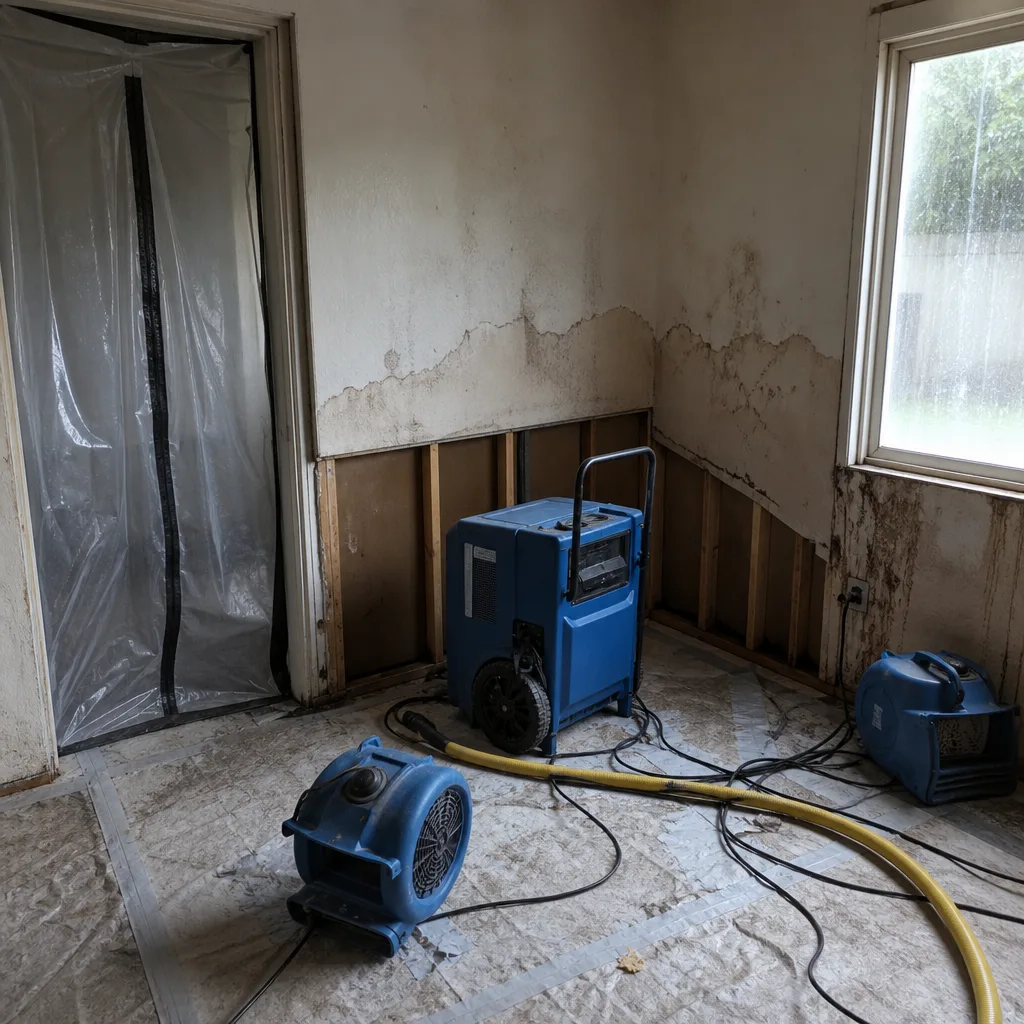 Before
 After
After Before
 After
After Before
 After
After