
Last updated October 16, 2026
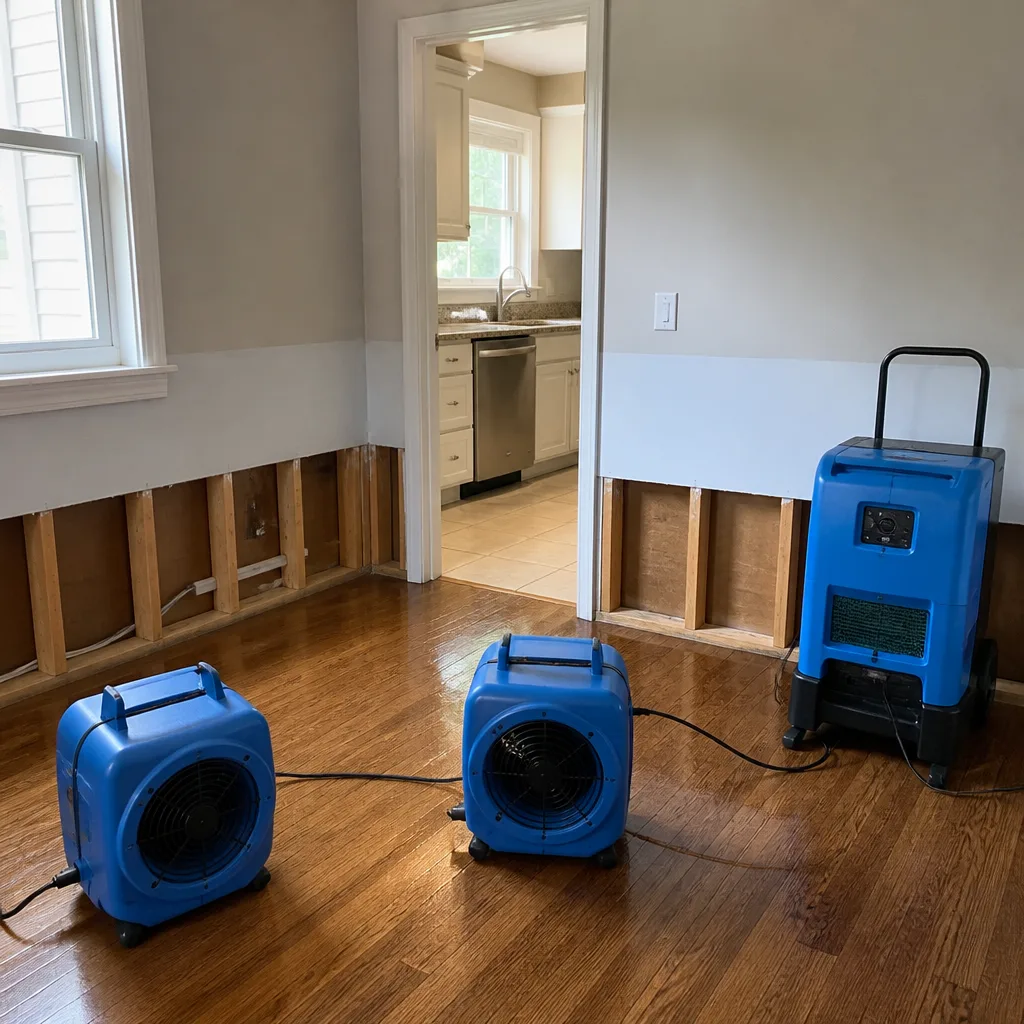 Water damage drying
 Fire & smoke cleanup
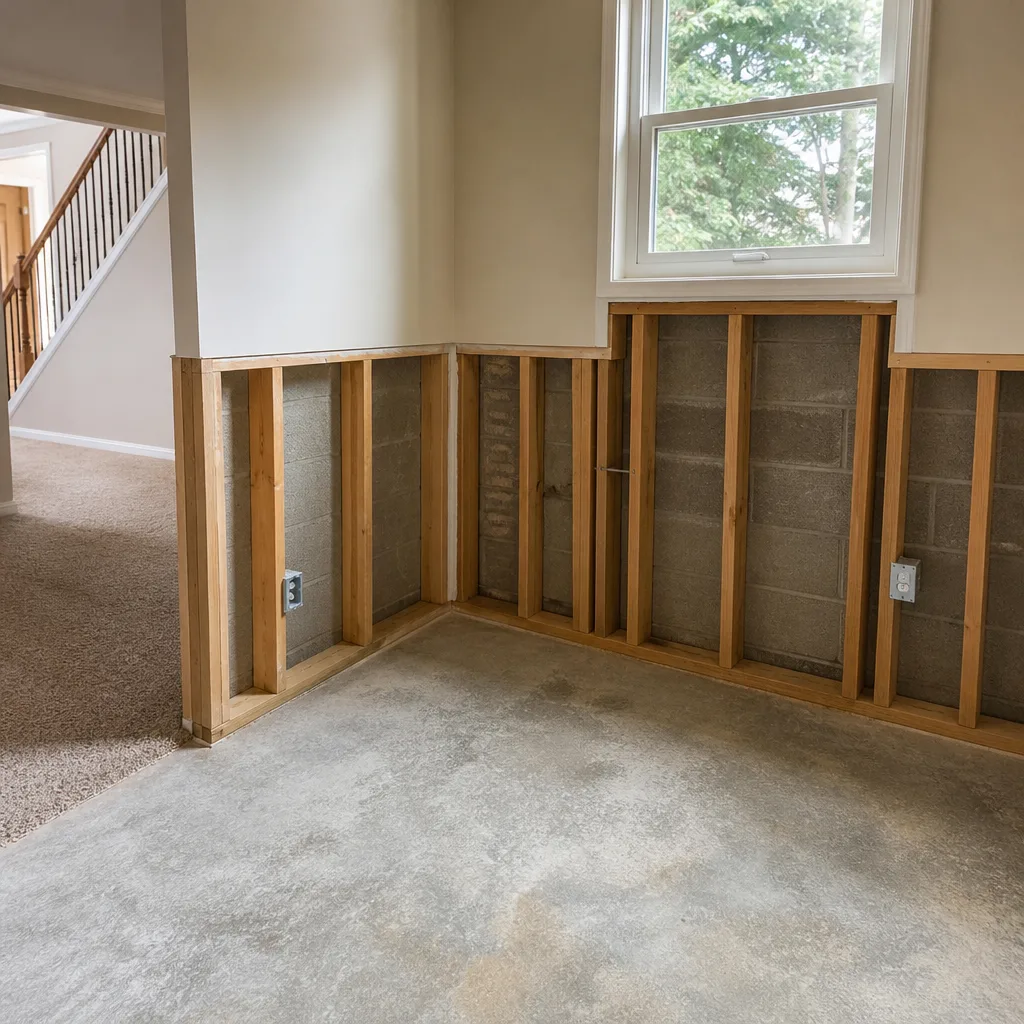 Mold remediation
 Storm response
 Sewage cleanup
 Reconstruction
Free visual inspection and a written scope of work before any mitigation begins - photos, moisture readings, and drying logs go in your claim file
The scope we write is the scope we bill. Anything new gets shown to you, in writing, before we touch it.
Get your free estimateSeasonal Damage Restoration Care for Austin: Year-Round Homeowner’s Guide
Austin takes more named hailstorms per year than any other major city in Texas, yet most seasonal home-care guides still divide the year into four equal quarters as if our winters and summers posed identical threats to a house. They don’t. Not even close. This guide-along with our Complete Guide to Damage Restoration in Austin-is built around the way water and weather actually behave in Austin: two damage seasons (summer AC strain and winter freeze risk) bracketed by two storm windows (spring hail and fall flooding). You’ll learn what to check each month, what each task costs, and which problems a homeowner can safely handle versus which ones need a professional with drying equipment and a written guarantee.
Quick Answer
Seasonal damage restoration care in Austin means working around four distinct risk periods: spring hail season (March through May), summer AC condensate and humidity problems (June through September), fall gutter and drainage prep (October through November), and winter freeze protocol (December through February). The single most cost-effective move a homeowner can make is installing an $8 condensate safety switch on the AC drain line before summer starts. Dryden Restoration Austin offers free estimates throughout Austin at (361) 326-2081 if you find damage during any of these checks.
Restoration work we handle
Table of Contents
- Austin’s Real Risk Calendar: Two Damage Seasons, Two Storm Windows
- Spring Hail Season (March – May): Roof and Flashing Checks
- Summer AC Strain (June – September): Condensate, Humidity, and Ceiling Collapse Prevention
- Fall Flooding Window (October – November): First-Flush Leaks and Drainage Prep
- Winter Freeze Protocol (December – February): What Actually Happens to Austin Homes
- Why Ice Dams Don’t Matter Here (And What Freeze Damage Actually Looks Like in Austin)
- The Seasonal Task Card: Print This and Tape It Inside a Cabinet Door
- Common Mistakes to Avoid
Austin’s Real Risk Calendar: Two Damage Seasons, Two Storm Windows
Austin sits in a transition zone between the humid Gulf Coast and the dry Hill Country, which means we get long stretches of drought followed by sudden, aggressive rain events. The clay-heavy soils around neighborhoods like Mueller, Crestview, and Circle C expand when wet and contract when dry, and that movement puts constant strain on slab foundations and exterior caulking. We’ve worked on homes in water damage restoration in Austin where the root cause was simply that the soil had shifted enough to crack a pipe joint after three months of dry weather.
Here’s the pattern that matters for homeowners:
- March through May: Hail season peaks. Roof decking, flashing, vent caps, and skylights take impact. Water entry often doesn’t show for weeks.
- June through September: Air conditioners run continuously. Condensate drain lines clog, drain pans overflow, and attic humidity rises. Most ceiling collapses in Austin happen between July and September.
- October through November: Dried-out roofing caulk and flashing meet sudden heavy rain. This is the “first-flush” leak window, and it catches more homeowners off guard than any other seasonal transition.
- December through February: Hard freezes hit pipes in exterior walls, attic water lines, and outdoor hose bibs. Austin’s February 2021 freeze produced more residential water damage claims than any single storm event in the city’s history.
Each of these windows has a specific set of inspection tasks and a specific set of failure modes. The sections below walk through them in the order the year actually unfolds.
Spring Hail Season (March – May): Roof and Flashing Checks
Hail in Austin doesn’t announce itself with a season the way snow does up north. It arrives with thunderstorms that can form in under an hour, and the damage is often invisible from ground level. You can have a roof with hundreds of small impact points and no visible shingle loss, then discover the leak three months later when wind-driven rain finds one of those weakened spots.
In our experience across Austin neighborhoods, the most commonly damaged areas after a hailstorm are:
- Roof vents and vent caps: The thin aluminum covers on plumbing and attic vents dent or crack on direct impact. Water enters through the crack the next time it rains.
- Flashing around chimneys and skylights: Hail that doesn’t puncture the shingle often compromises the sealant bead around flashing. The bond fails slowly.
- Gutter screens and downspout joints: Impact can knock screens loose and separate downspout seams, which changes where water goes during the next storm.
- Window screens and AC condenser fins: Exterior unit fins bend under hail impact, reducing airflow and making the system work harder all summer.
Here’s the spring checklist in order:
- After each hailstorm, walk the perimeter with binoculars. Look for dented vent caps, displaced shingles, and any shiny spots on the roof where impact exposed fresh asphalt.
- Check the gutters for shingle granules. Granules collect in downspouts after hail impact. A visible accumulation in one downspout but not others points to the affected slope.
- Inspect attic sheathing for water marks. Go up on a dry day with a flashlight. Look for darkened wood, white mineral streaks, or damp insulation around roof penetrations.
- Test the AC condensate line. Spring is when the system transitions from occasional to constant use. Pour a cup of white vinegar into the drain line access point to break up any early bacterial growth.
- Re-caulk exterior penetrations. Check around windows, hose bibs, and electrical conduit entries. Austin’s freeze-thaw cycle works caulk loose by April even if there was no hail.
If you find any interior staining or damp insulation, mark the spot, document it with photos for your records, and call a professional before it spreads. The Dryden Restoration Austin home page explains our process for moisture assessment and drying, and we always write the price before any work starts.
Summer AC Strain (June – September): Condensate, Humidity, and Ceiling Collapse Prevention
An Austin air conditioner in July produces between 5 and 20 gallons of condensate per day depending on the size of the home and the humidity level. All of that water flows through a thin PVC pipe into a drain pan, then out to a drain line. When that line clogs, which happens in nearly every Austin home eventually because our warm, humid air breeds biological growth inside the pipe, the pan fills and overflows. The water ends up in the ceiling cavity below the unit, soaking drywall, insulation, and framing.
The $8 fix that prevents most of this: a condensate safety switch. It’s a small float device that sits in the drain pan and cuts power to the system when the water level rises. Homeowners can have it installed by an HVAC technician in under an hour for around $150 to $250 including the part. In our experience doing mold remediation in Austin, a single ceiling collapse from an overflowing drain pan costs between $2,500 and $8,000 to fully dry, repair, and repaint. The math is not close.
How to read your AC drain system for early warning signs:
- Look at the drain pan every two weeks during summer. The pan sits under the indoor unit, often in a hall closet, attic, or garage. If you see standing water, the line is partially clogged.
- Listen for gurgling at the drain line exit. The line usually terminates outside near the condenser. Gurgling means air and water are competing for space in a narrowing pipe.
- Check for staining on the ceiling below the unit. Any discoloration, even faint, means water has already escaped the pan at some point. Don’t wait for it to get worse.
- Watch the relative humidity (RH) inside the home. Healthy indoor RH runs between 30% and 50%. Above 60% in summer means the AC isn’t dehumidifying properly or there’s a secondary moisture source, and that environment feeds mold growth within 48 to 72 hours.
Professional-grade drying equipment matters when water does escape. We use Dri-Eaz and Phoenix dehumidifiers, which pull water out of materials rather than just evaporating it into the air, and we work to IICRC standards for structural drying. A homeowner running a big-box rental fan on a wet ceiling cavity without addressing the moisture source is borrowing trouble, because hidden moisture behind drywall becomes a mold problem in under three days in an Austin summer.
Fall Flooding Window (October – November): First-Flush Leaks and Drainage Prep
Austin’s fall rains catch more roof systems off guard than any other weather pattern. Here’s why: the flashing sealants and caulk beads on most Austin homes spend June through September baking in 100-degree heat with almost no rain. By October, that material is hard, cracked, and no longer capable of forming a watertight seal. Then the first heavy rain of the fall hits, and water finds every one of those dried-out joints in the same afternoon. This is the “first-flush” leak, and it’s one of the most common service calls we get between late September and Thanksgiving.
What to do before the first major fall storm:
- Clean gutters and downspouts thoroughly. Austin’s oak trees drop leaves from late October through December. A single downspout blocked with leaf litter sends water over the gutter edge and straight down to the foundation line.
- Check downspout discharge distance. Each downspout should move water at least 5 feet away from the foundation. Austin’s expansive clay soil swells when it absorbs water, and that swelling pressure cracks slab foundations and pier-and-beam supports over time.
- Walk the exterior and look for cracked caulk around every penetration. Windows, hose bibs, electrical boxes, gas line entries, and anywhere siding meets trim. A $7 tube of exterior caulk beats a $2,000 interior drywall and insulation repair.
- Inspect the roof flashing around the chimney, skylights, and any wall-to-roof transitions. These are the joints that fail first during the first-flush window.
- Test your sump pump if you have one. Pour a few gallons of water into the pit and confirm the pump starts automatically and discharges outside, not back into the crawl space.
- Schedule a roof inspection if the roof is over 15 years old. Austin’s sun is brutal on shingles. A roof that looks acceptable from the curb may have structural wear that only shows during a leak.
If you discover water penetration during a fall storm, act the same day. Austin’s November humidity is high enough that mold colonization begins within 48 hours on wet drywall and insulation. We answer every call live, 24 hours a day, at (361) 326-2081. No voicemail, no call-back queue, no after-hours recording.
Winter Freeze Protocol (December – February): What Actually Happens to Austin Homes
Austin freezes are short by Midwest standards, but they hit a housing stock that wasn’t built for them. Water lines run through uninsulated attics, pipes sit in exterior walls without adequate thermal breaks, and hose bibs freeze and split within hours when temperatures drop below 28 degrees. The February 2021 freeze, which brought seven consecutive days below freezing, burst pipes in thousands of Austin homes and produced water damage on a scale the city hadn’t seen before.
Winter protocol for Austin homeowners:
- Insulate exterior hose bibs. Foam bib covers cost about $4 each. Install them before the first freeze. Better yet, shut off the water supply to exterior bibs from inside and drain them.
- Locate your main water shutoff valve and confirm it turns. In an emergency, the ability to stop water flow in under a minute is the difference between a small cleanup and a whole-house flood. Test it now, not during a freeze.
- Drip interior faucets on nights below 28 degrees. A steady drip from both hot and cold taps on the faucet furthest from the water main keeps water moving through the system. The added water cost of a few drips is nothing compared to a burst pipe repair.
- Open cabinet doors under sinks on exterior walls. This lets warm interior air reach those pipes. It’s a small thing that prevents a very specific freeze failure in Austin kitchens and bathrooms.
- Know where your pipes run through the attic. If a pipe freezes in the attic, it rarely bursts immediately. The split opens when the ice thaws, which means the leak often starts during the warm-up, not the freeze. Listen for spraying or running water sounds after temperatures climb back above freezing.
If a pipe does burst, shut the water off at the main, then call us. Our winter call volume is high, and the homes that get dried fastest are always the ones where someone found the main shutoff before the burst. Write the valve location on a card and tape it inside a cabinet door. Your future self will thank you.
Why Ice Dams Don’t Matter Here (And What Freeze Damage Actually Looks Like in Austin)
Walk into any national home-improvement site and you’ll find winter sections built around ice dams, roof rakes, and heating cables along the eaves. Those concerns are real in Minnesota and upstate New York, where snow accumulates on roofs, melts from attic heat, and refreezes at the cold eave line. Austin doesn’t have the snow depth or the sustained cold for that failure mode to occur.
What actually happens to Austin homes during a hard freeze is different:
- Attic pipe bursts. Water supply lines running through uninsulated attic space freeze and split. The failure often happens during the thaw, not the freeze, which surprises homeowners who thought they were in the clear once temperatures climbed.
- Exterior wall pipe failures. Pipes in walls facing north or west, especially those near slab penetrations, freeze first. The copper becomes brittle and splits along its length rather than at a joint.
- Outdoor spigot failures. The classic Austin freeze damage. A hose bib freezes, the pipe behind the wall splits, and the leak only becomes visible when someone turns the water on in the spring.
- HVAC condensate line freezes. The drain line from an attic AC unit can freeze solid if the system runs during a cold snap. The backup sends water into the drain pan, then into the ceiling.
- Binocular roof inspection after each hailstorm: 15 minutes
- Gutter granule and downspout check: 20 minutes
- Attic sheathing inspection with flashlight: 30 minutes
- White vinegar flush of AC condensate line: 10 minutes
- Exterior caulk touch-up around windows and hose bibs: 1 hour
- Drain pan visual check (every two weeks): 5 minutes
- Ceiling stain inspection below AC unit: 10 minutes
- Indoor RH check with a basic hygrometer: 5 minutes
- AC condensate safety switch installation: call an HVAC tech, 1 hour or less
- Gutter and downspout cleaning: 1 to 2 hours depending on trees
- Downspout discharge distance check: 15 minutes
- Exterior crack and caulk walk-around: 45 minutes
- Roof flashing inspection around chimney and skylights: 30 minutes
- Sump pump test (if applicable): 15 minutes
- Hose bib cover installation or shutoff: 10 minutes per bib
- Main water shutoff valve test and location card: 15 minutes
- Drip faucets on nights below 28 degrees: 2 minutes
- Cabinet door opening under exterior-wall sinks: 1 minute
- Attic pipe inspection before first freeze: 30 minutes
- Waiting to see if a leak gets worse before calling someone. Water damage in Austin doesn’t stay contained. Drying takes days once drywall is soaked, and mold colonizes within 48 to 72 hours in our climate. Every day of delay expands the repair area.
- Treating a ceiling stain as a paint problem instead of a moisture problem. Painting over a water stain without finding the source seals moisture into the ceiling cavity. Within weeks, you’ll have mold behind the new paint, and the repair will include both remediation and repainting.
- Using a shop vac and a box fan for a ceiling or wall leak. A rental fan moves wet air around but doesn’t remove the water from the structure. You need actual dehumidification equipment drawing moisture out of the materials, which is what professional-grade units like Phoenix and Dri-Eaz machines do.
- Assuming hail damage means visible shingle loss. Most hail damage in Austin is subsurface impact that weakens the shingle without ripping it off. The failure shows up months later as a leak that seems to have no cause.
- Not locating the main water shutoff before winter. During a burst pipe, the time you spend searching for the shutoff is time water is flowing through your house. Every homeowner should know exactly where the valve is and be able to turn it in under a minute.
- Cleaning gutters only once a year. Austin’s fall leaf drop is heavy. Clean gutters in early November, then check them again after the trees finish dropping in mid-December. A single clogged downspout directs enough water to the foundation line to start serious soil movement.
- Skipping the condensate drain line because the AC “seems fine.” The clog happens gradually, then suddenly. By the time water is visible on the ceiling below the unit, the pan has been overflowing for hours or days, and the repair has moved from a $150 HVAC visit to a $3,000-plus drying and drywall job.
The common thread: most Austin freeze damage reveals itself hours or days after the temperature rises, not during the freeze itself. If your home survived February 2021 without visible damage, it’s still worth checking attic pipes and hose bibs for hairline splits before the next cold snap. We’ve done fire damage restoration work in Austin on homes that later needed pipe repairs too, and the pattern is always the same: the earlier you catch a freeze split, the smaller the repair.
The Seasonal Task Card: Print This and Tape It Inside a Cabinet Door
This one-page card covers the essential tasks for each Austin risk window. Each task includes a realistic time estimate. Print it, tape it inside a kitchen cabinet or garage door, and check items off as you go.
Spring (March – May) – Hail and Roof Checks
Summer (June – September) – AC Condensate and Humidity
Fall (October – November) – Drainage and First-Flush Prep
Winter (December – February) – Freeze Protocol
This card works because it respects the actual seasonal pattern. You’re not doing the same tasks every month. You’re doing the right tasks for the specific risk that’s currently in play.
Common Mistakes to Avoid
See the difference
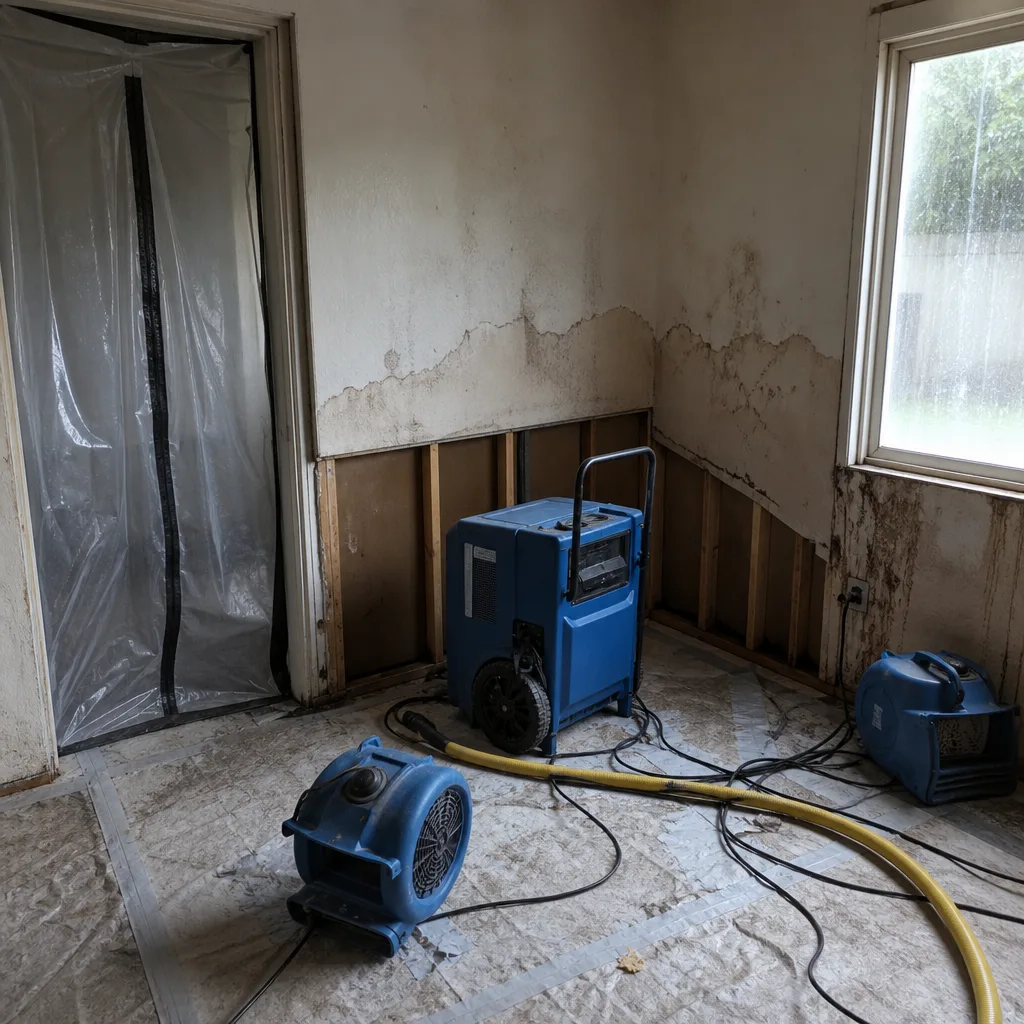 Before
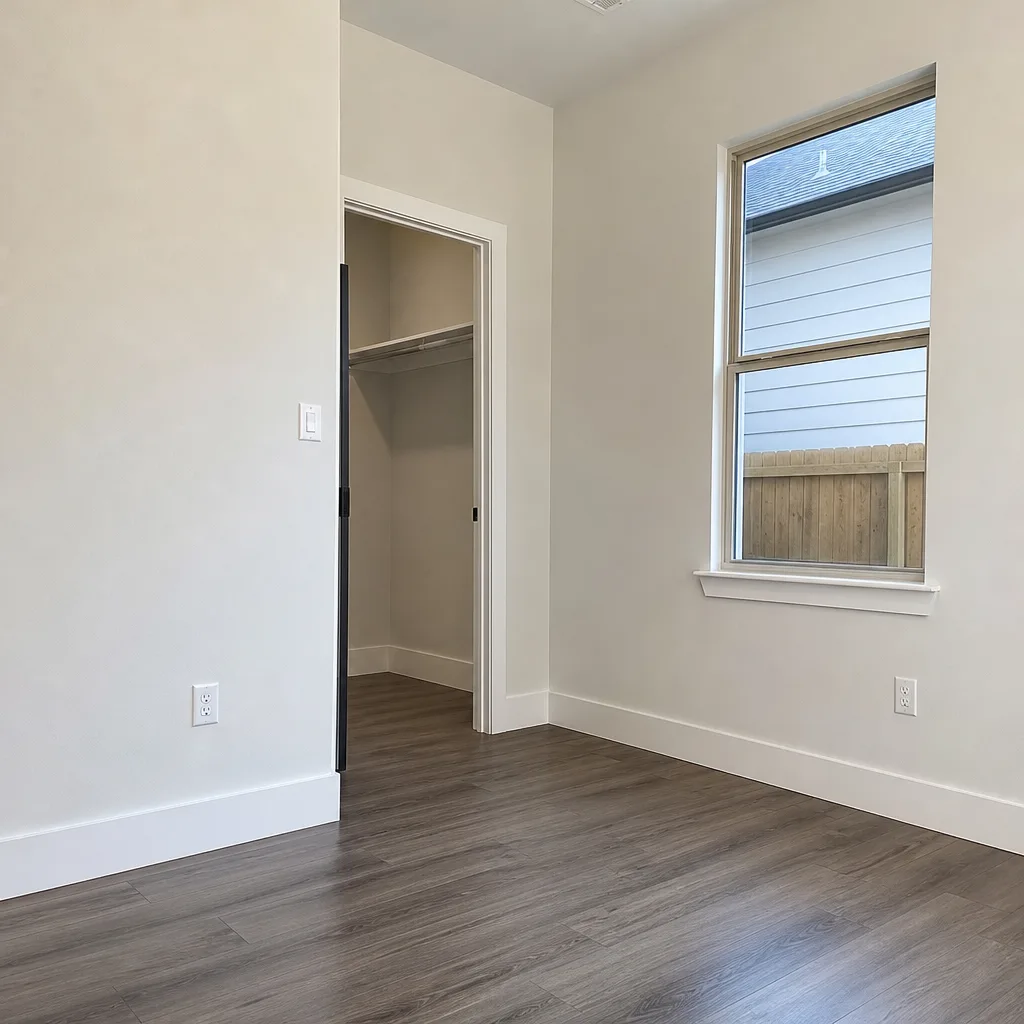 After
After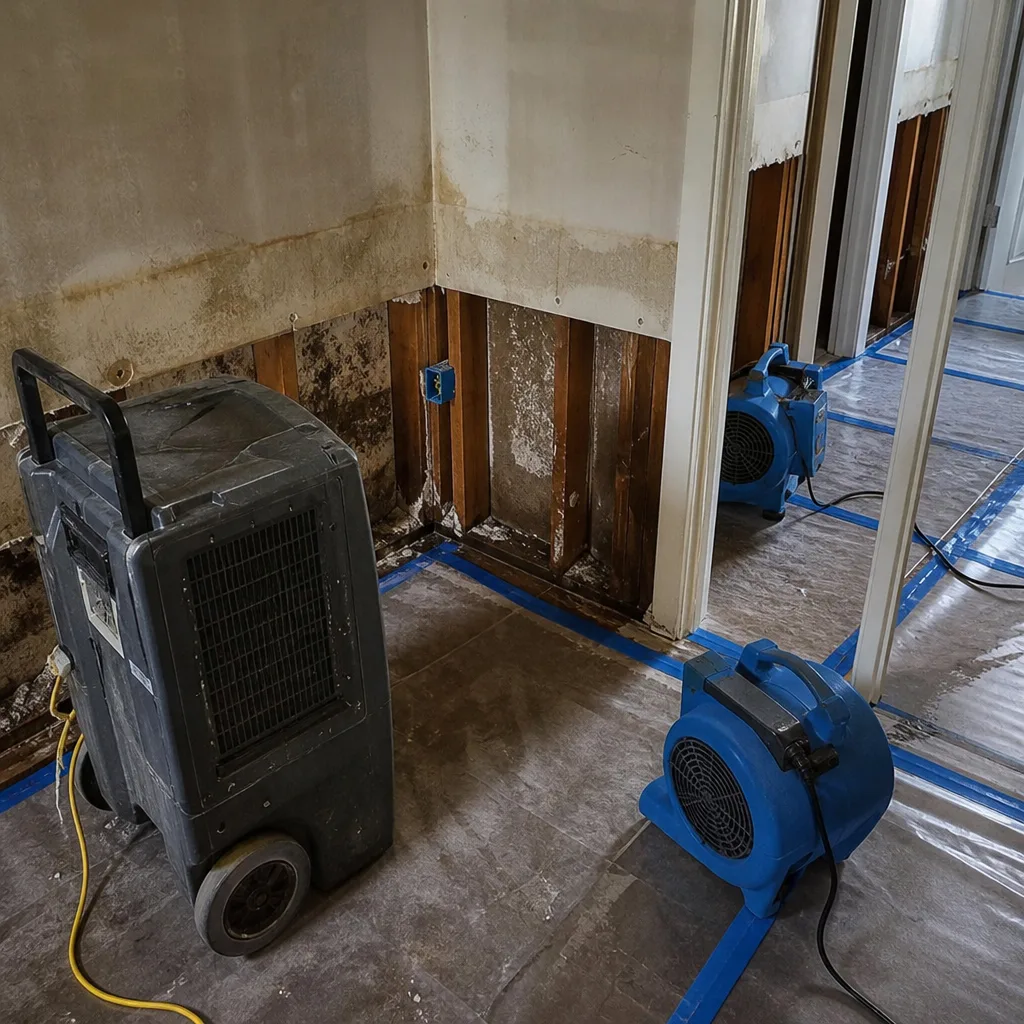 Before
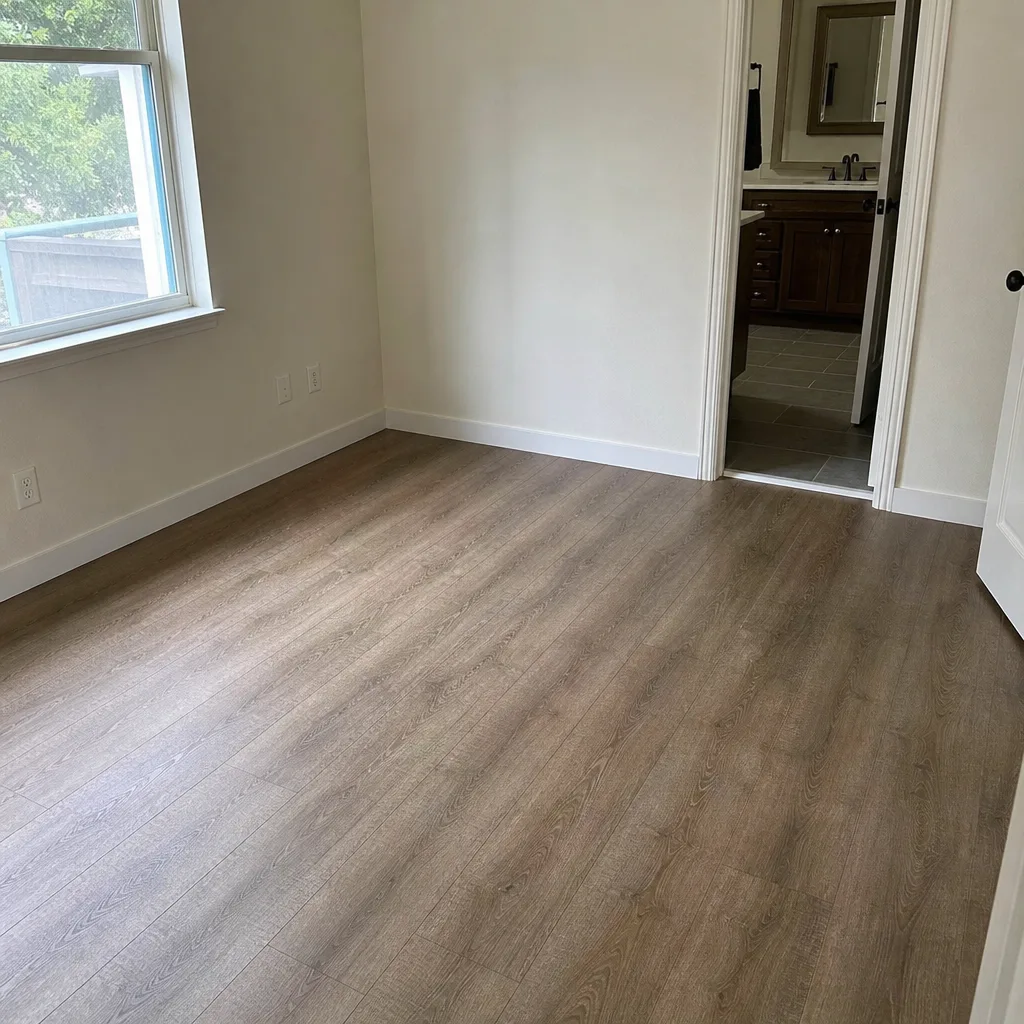 After
After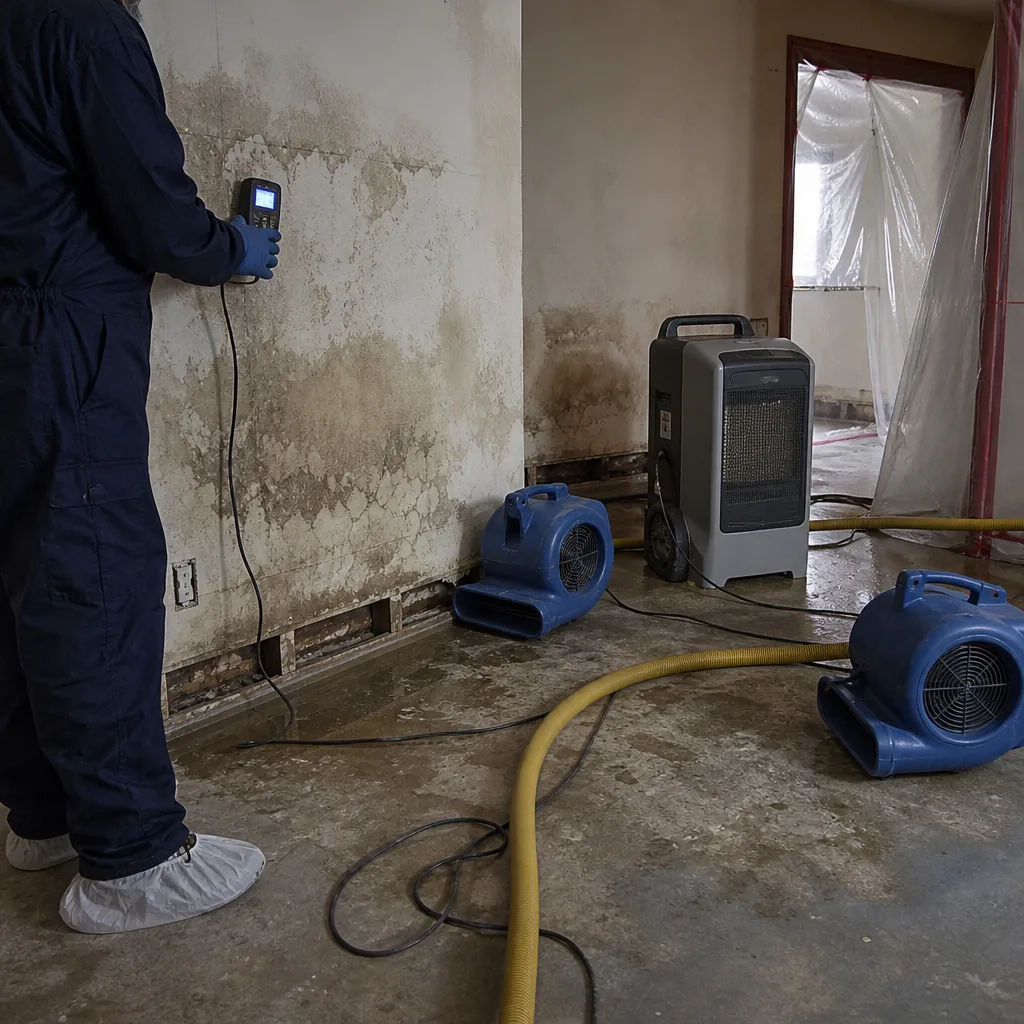 Before
 After
AfterWhen to Call a Professional
Call a restoration professional if you find water staining on drywall or ceiling surfaces, if a pipe has burst, if the AC drain pan is overflowing, if you see visible mold growth, or if water has been standing for more than 24 hours. These are not DIY situations, and in Austin’s climate, the damage compounds quickly. What looks like a small stain on the surface often conceals soaked insulation, wet framing, and hidden mold behind the drywall.
Dryden Restoration Austin offers free estimates throughout Austin. We provide a written price before any work starts, our technicians are background-checked and uniformed, and every repair carries our 365-Day Done Right Promise: if a covered repair fails within a year, we return and correct it at no charge. Call (361) 326-2081 to schedule a visit.
Frequently Asked Questions
The biggest seasonal risks are spring hail damage to roofs and flashing, summer AC condensate drain clogs and overflow, fall first-flush leaks from dried-out caulk and flashing, and winter freeze bursts in attic and exterior-wall pipes. Each of these failure modes has a specific inspection window and a set of tasks that prevent most of the damage. Call (361) 326-2081 for a free assessment if you find evidence that any of them have already occurred.
The switch itself costs about $8 at most hardware stores, and professional installation by an HVAC technician typically runs $150 to $250 for the part, labor, and a drain line cleaning while they’re there. Compare that to the $2,500 to $8,000 cost of drying, repairing, and repainting a ceiling after a drain pan overflow (see our Damage Restoration Cost Breakdown: The Austin Homeowner’s Reference for 2026), and it’s the best investment available for Austin summer home protection.
We answer every call live, 24 hours a day, 7 days a week, and we’ll give you a specific arrival window when you call (361) 326-2081. We don’t use voicemail for service calls, and we don’t route you through a call-back queue. The window we give you is the window we keep.
Most homeowners insurance policies cover sudden, accidental water damage from burst pipes and AC drain pan overflows, but coverage depends on the specific policy and cause. We document damage with photos and can work directly with your adjuster to make the claims process straightforward. Call us at (361) 326-2081 and we’ll do a free inspection and talk through what your policy likely covers.
Household fans and rental units move air around but don’t remove water from building materials. Professional restoration uses equipment like Dri-Eaz and Phoenix dehumidifiers plus air movers to pull moisture out of drywall, insulation, and framing to specific moisture-content targets defined by IICRC standards. Without that equipment, moisture stays trapped in cavities, and mold grows within 48 to 72 hours in an Austin summer.
If a repair we complete fails within one full year, we return and make it right at no charge. The guarantee is written on every job, not verbal. It covers the repair work we performed, and the trigger is simple: you call us, we schedule a return visit, and we correct it at zero additional cost. Every Dryden Restoration Austin job carries this guarantee.
The Bottom Line
Austin’s seasonal damage pattern is specific, and it’s knowable. Hail in spring, condensate overflow and humidity in summer, first-flush leaks in fall, freeze bursts in winter. Most damage in our city happens because homeowners are looking at the wrong calendar, applying national guidance that doesn’t match Austin’s climate, or waiting too long to call someone after they find a stain. The fixes that prevent the most expensive repairs are cheap: an $8 condensate switch, a $4 hose bib cover, a tube of exterior caulk, and thirty minutes in the attic with a flashlight. Do the seasonal checks on the task card, document anything you find, and if water has gotten where it shouldn’t, call us at (361) 326-2081 or explore more guides & resources. A written price comes before any work starts, and the guarantee comes in writing too.
Written by Carl Brandt, Owner at Dryden Restoration Austin, serving Austin since 2005.