

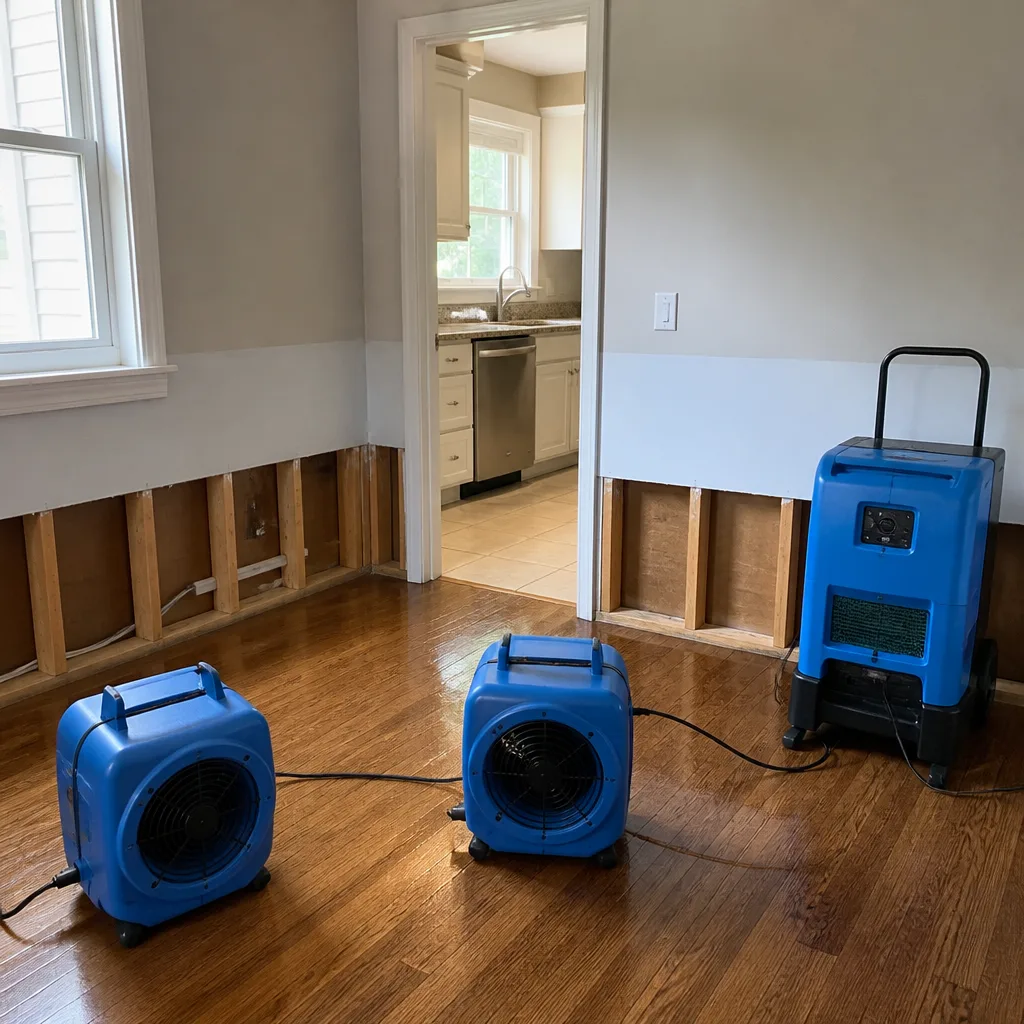
 Water damage drying
 Fire & smoke cleanup
 Mold remediation
 Storm response
 Sewage cleanup
 Reconstruction
Free visual inspection and a written scope of work before any mitigation begins - photos, moisture readings, and drying logs go in your claim file
The scope we write is the scope we bill. Anything new gets shown to you, in writing, before we touch it.
Get your free estimateFast, Reliable Water Damage Restoration Across Wells Branch
Water damage restoration in Wells Branch typically costs between $1,800 and $4,500 for a standard supply-line leak with structural drying, and $350 – $850 for standalone emergency water extraction. Most jobs in the neighborhood are same-day responses, because we know how fast category 2 water wicks through pier-and-beam framing and into crawlspaces here. If you’re dealing with a burst pipe, a flooded laundry room, or water weeping through a ceiling on the second floor of a 1980s two-story, call (361) 326-2081 and a live person answers. That’s it. No menu, no voicemail tree, no callback queue.
We’ve worked in Wells Branch long enough to know the difference between a Mellow Meadow Drive pier-and-beam and a newer slab home off Shoreline Drive. The drying plan changes with the foundation type, the pipe material, and how the water found its way through the wall cavity. That local knowledge is the difference between a repair that lasts and one that hides moisture until the floor joists start to rot.
Why Dryden Restoration Austin Is the Water Damage Restoration Company Wells Branch Homeowners Call
We’re an independently owned Kingswell company, founded in 2005, and every job we do is governed by one written set of rules we call The Kingswell Way: say the price before the work, show up in the window we gave, leave the place cleaner than we found it, put the guarantee in writing, and come back if it fails. That last part is the 365-Day Done Right Promise, and it’s on every job, in writing. If a covered repair fails within a full year, we come back and make it right at no charge. Not a pro-rated credit. Not a “we’ll take a look.” A free return visit, documented before we start.
Every technician who walks into a Wells Branch home is background-checked and arrives in a Dryden uniform. They carry moisture meters, thermal imaging cameras, and the drying equipment the trade actually uses: Dri-Eaz dehumidifiers, Phoenix and XPOWER air movers, B-Air and Injectidry systems. Work is performed to IICRC, RIA, and IFA standards. What that means in plain English: there’s a recognized benchmark for how water damage should be dried, and we follow it on every job, whether it’s a 900-square-foot condo or a 2,800-square-foot two-story.
Carl Brandt, who leads our team, has spent nearly two decades in Central Texas restoration work. He’s seen how Wells Branch’s alkaline soil corrodes galvanized pipes from the outside in, and he trains our crews to look for the signs before they become a stained ceiling.
Restoration work we handle
Water Extraction in Wells Branch
Water extraction is the first step when standing water is present, and in Wells Branch it’s often the step that saves the baseplate and subfloor from wicking damage. We arrive with truck-mounted and portable extraction units, pull the standing water, and map the moisture before a single fan gets plugged in. Local rates run $350 – $850 for a same-day extraction call in Wells Branch, depending on square footage and how many rooms are involved.
Mapped, Not Guessed
Before we set drying equipment, we moisture-map the affected area. That tells us exactly how far water has traveled through framing and under flooring. In Wells Branch’s pier-and-beam homes, water doesn’t stay where it pooled. It runs along the baseplate and finds its way into the crawlspace, where it can sit silently for days while the house above looks fine.
Category 2 Water and Why It Matters
When a galvanized supply line lets go inside a wall, the water has usually been weeping for a while before you see it. By the time staining appears, it’s often category 2 water, meaning it’s been in contact with building materials long enough to support microbial growth. That changes the drying plan and the treatment plan. We explain what category the water is, what it means, and what we’re doing about it, in plain language, before work starts.
Flooded Basement in Wells Branch
A flooded basement in Wells Branch usually isn’t a true basement. It’s a below-grade garage, a sunken den, or a raised pier-and-beam crawlspace that took on storm water through a failed drainage path. What those spaces share is poor natural airflow, which makes drying harder. We run dehumidifiers and air movers sized to the cubic footage, not the floor area, and we check the crawlspace under the floor, because standing water there keeps the relative humidity spiked even after the visible water is gone.
Storm Water and Drainage Failures
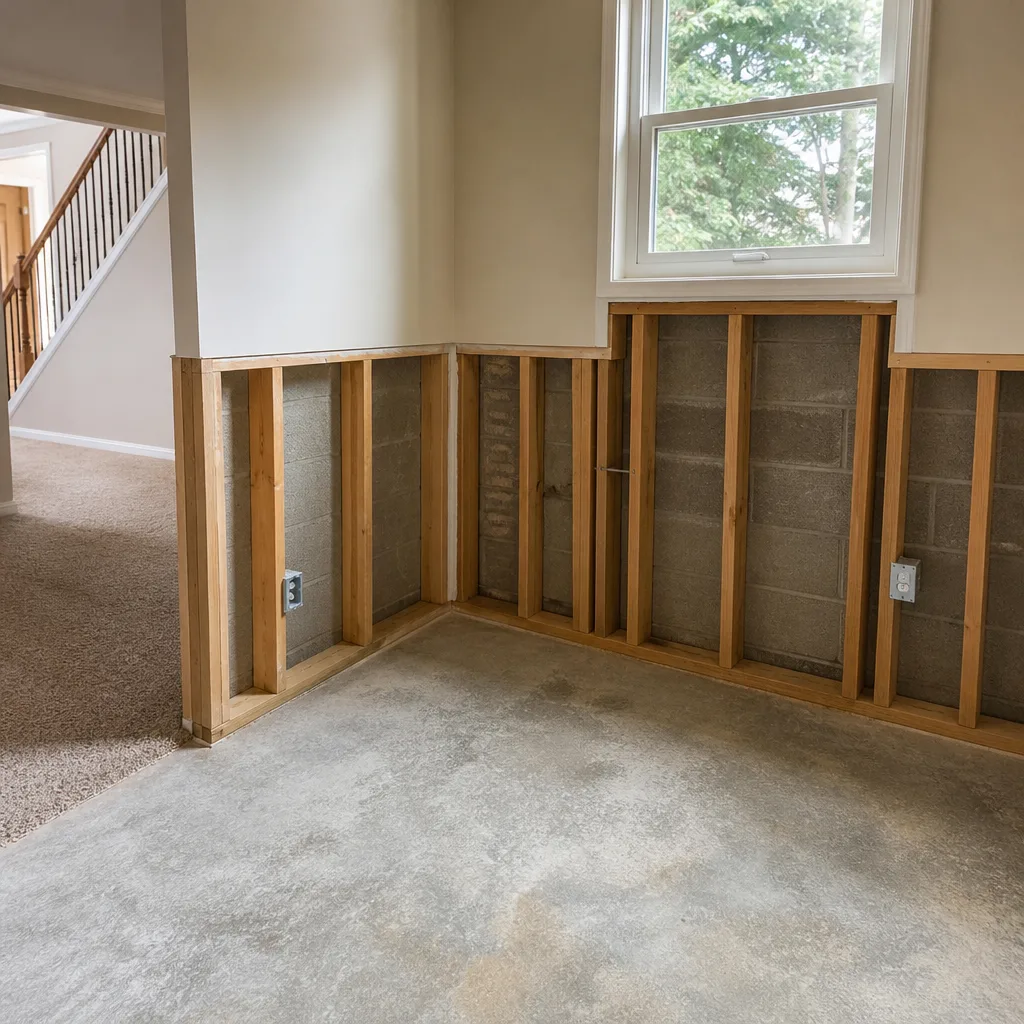
Wells Branch gets intense, short-duration downpours in May and September, and low-lying sections flood when the drainage can’t keep up. If storm water made it into your garage or a finished lower level, extraction is the first move. Then we assess what’s saturated. In flood situations, we often recommend removing saturated carpet pad and cutting drywall to expose wall cavities. If the water came from outside, it’s category 3, and the remediation approach changes.
90 Minutes or Less
From the time you call (361) 326-2081, we give you a named arrival window. Not “sometime this afternoon.” We tell you when we’ll be there and we show up in that window, in uniform, with equipment staged and ready. For Wells Branch calls, most flood jobs are started within 90 minutes of the call.
Last spring we handled a water extraction job on Mellow Meadow Drive where a corroded galvanized pipe let go inside a wall cavity of a 1987 pier-and-beam home. Our techs used moisture mapping to trace category 2 water through the baseplate and into the crawlspace, then deployed Dri-Eaz dehumidifiers and XPOWER air movers with containment to dry the framing before antimicrobial treatment. Because the alley-load garage allowed no space for our truck, we staged equipment curbside and ran hoses through the backyard gate, finishing the structural drying in four days.
Wells Branch Homes Fail Differently Than Newer Subdivisions
Wells Branch’s dense concentration of 1980s and 1990s wood-framed homes with original galvanized steel supply pipes means our crews see pinhole leaks inside walls and under slabs far more often than in nearby newer subdivisions like Avery Ranch or Brushy Creek. The reason is the soil. Central Texas alkaline soil slowly corrodes galvanized pipe from the outside, and in a neighborhood built 35 to 40 years ago, the pipe has been sitting in that soil for decades. The leak starts as a pinhole, weeps behind the drywall for days or weeks, and by the time you see a stain on the ceiling or smell must, the water has already wicked into the baseplate and subfloor.
That’s why our Water Damage Restoration team treats every Wells Branch job as a crawlspace job until proven otherwise. We check under the house. We check the framing. We don’t dry the room and call it done.
The neighborhood’s mature tree canopy adds another layer. Heavy oak and pecan cover means roof debris and gutter overflow are common, especially in the spring and fall thunderstorm seasons. Clogged gutters push water down the fascia and into wall cavities, which is how a roof leak becomes interior water damage. Many of the homes here still have composition shingle roofs approaching the end of their service life, and the combination of an aging roof and an overflowing gutter is a frequent source of ceiling damage on the top floor.
Trusted Brands We Service in Wells Branch
We service and install water damage restoration equipment from Dri-Eaz, Phoenix, XPOWER, and B-Air, and we stock the consumables Wells Branch jobs actually need: antimicrobial treatments, containment barriers, dehumidifier filters, and drying-log supplies. Because we’re not a franchise ordering from a national warehouse, we keep the parts that matter for this market on our trucks. That means less waiting when a dehumidifier needs a filter swap mid-job or when we need to set up containment in an alley-load garage with no room to maneuver.
See the difference
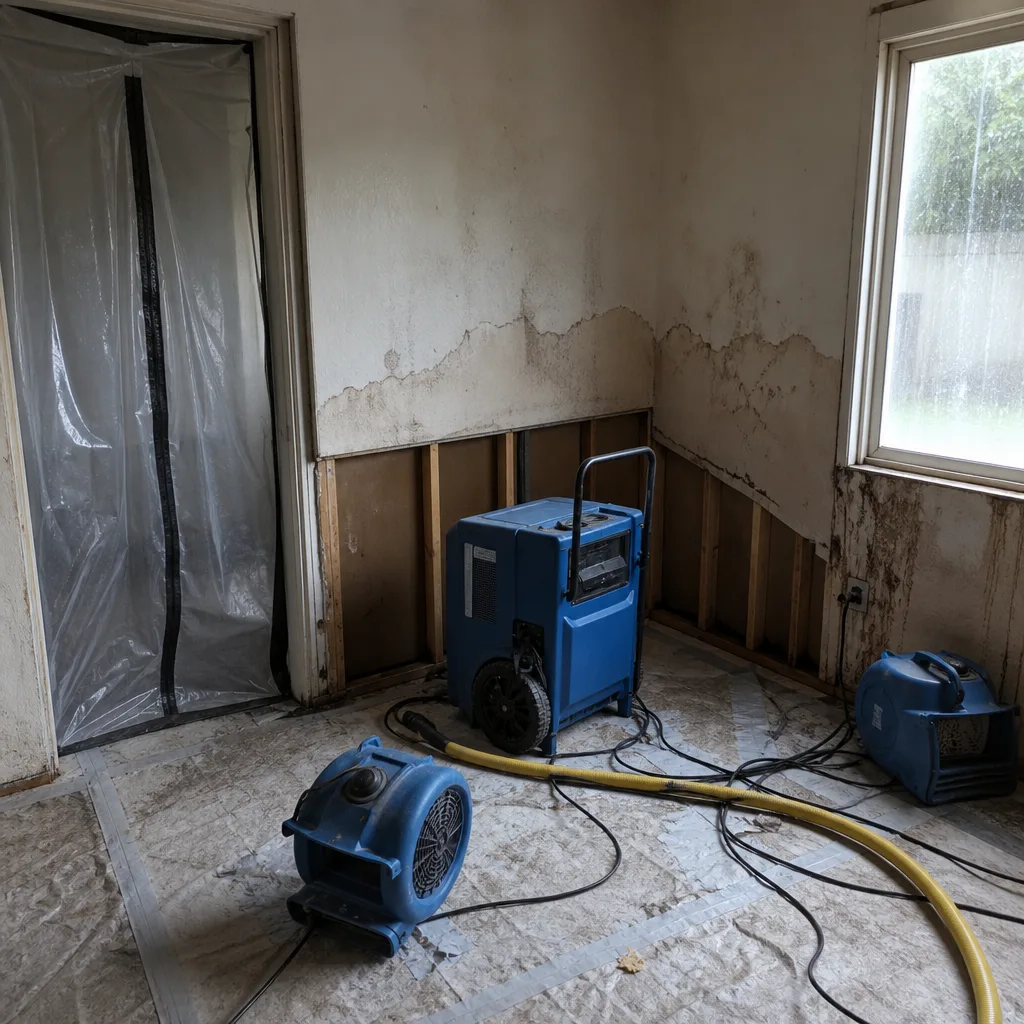 Before
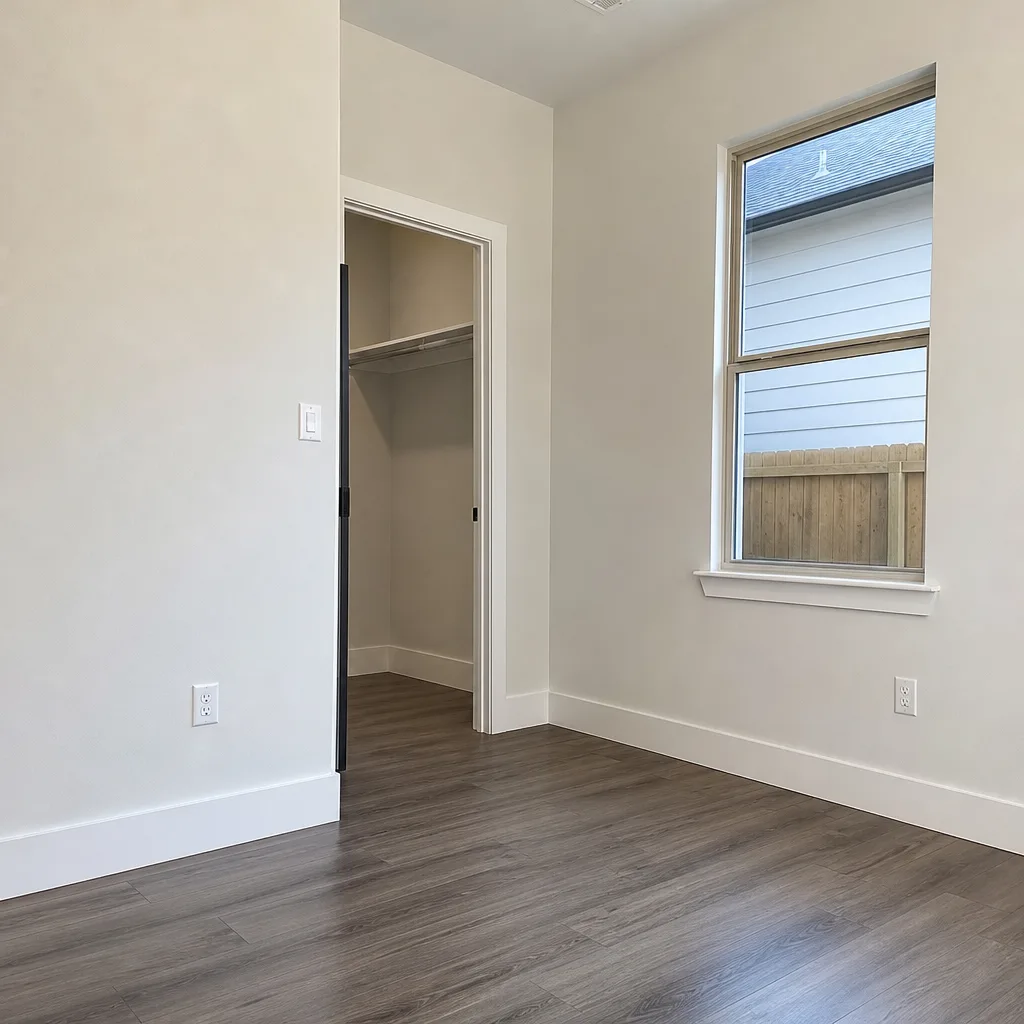 After
After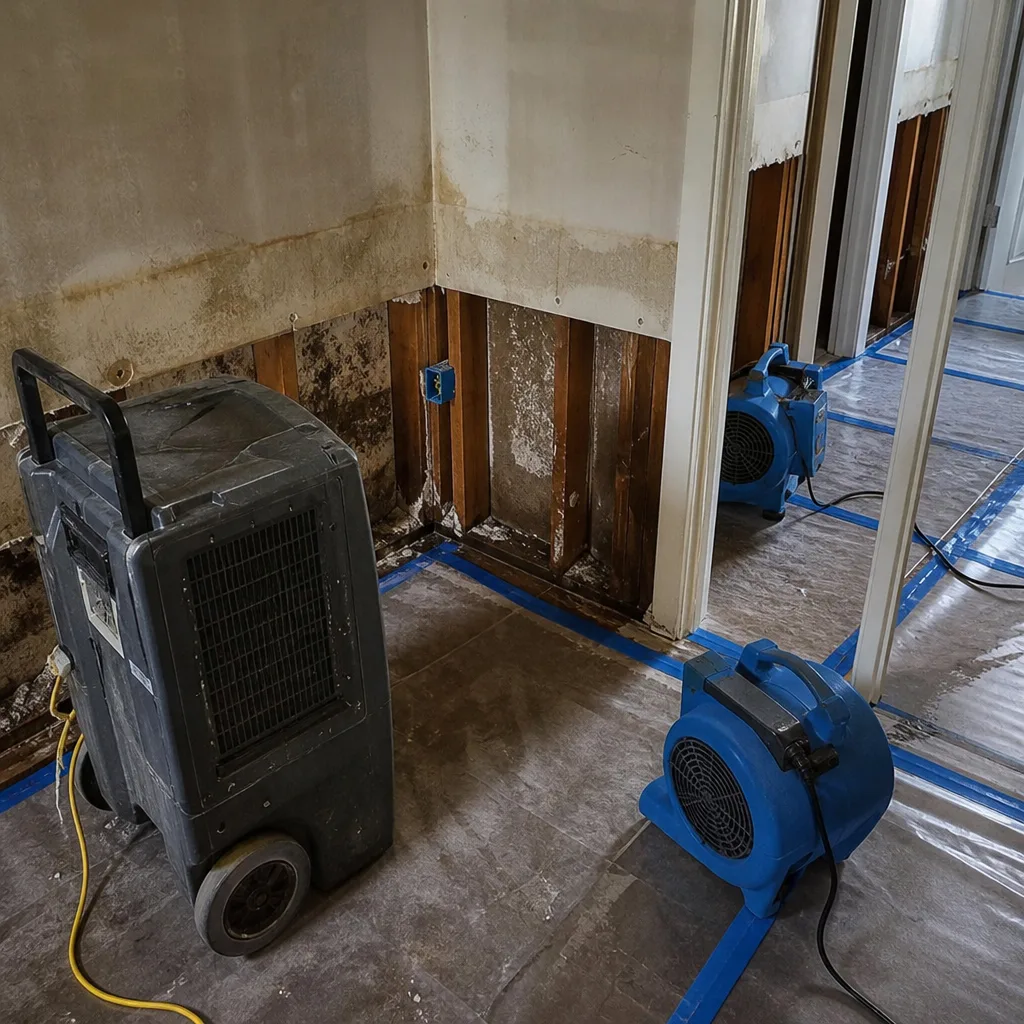 Before
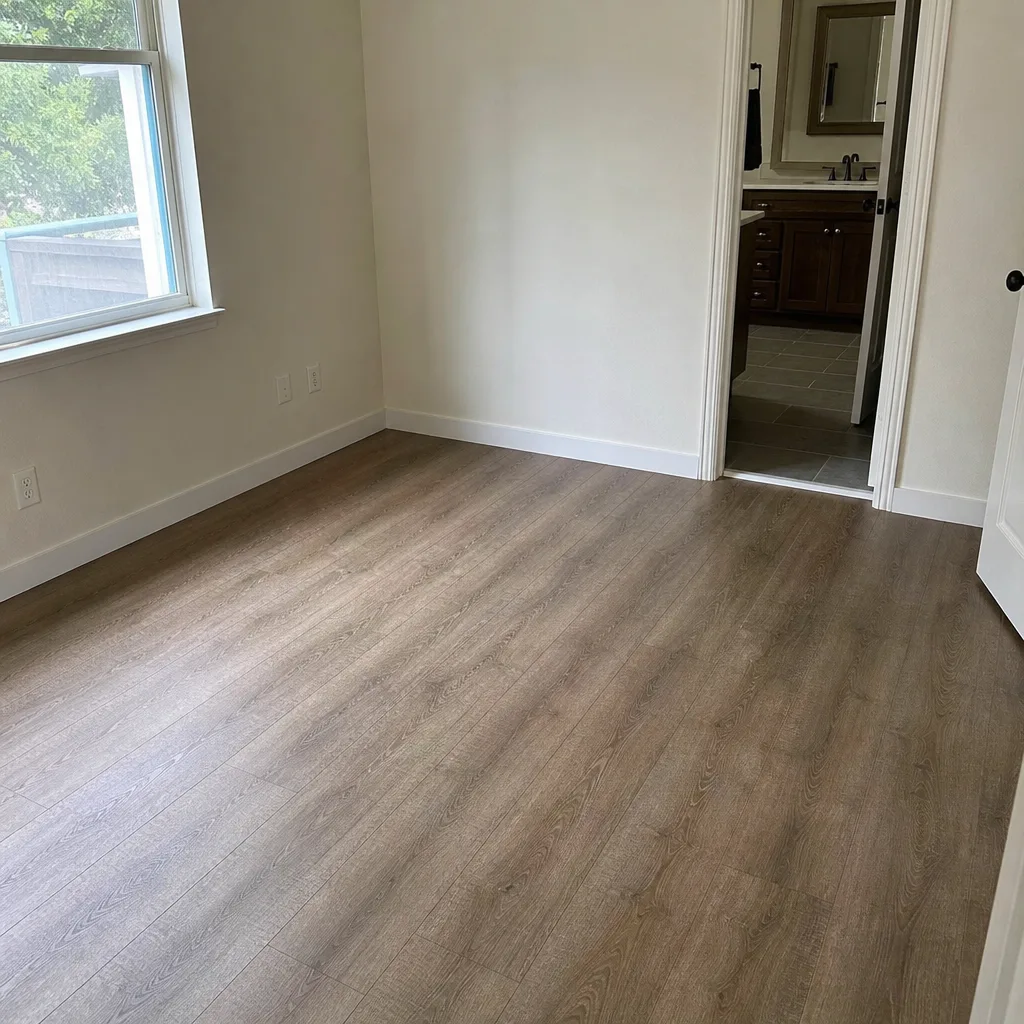 After
After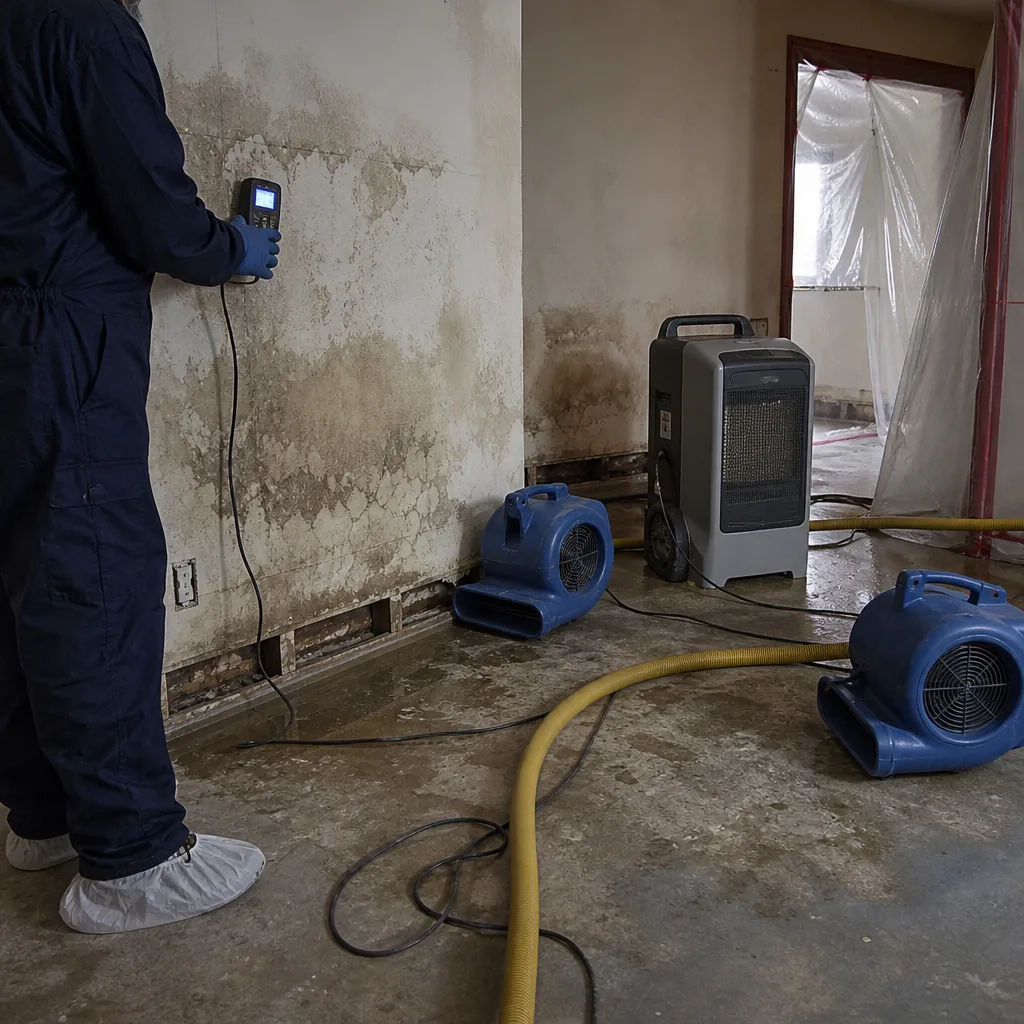 Before
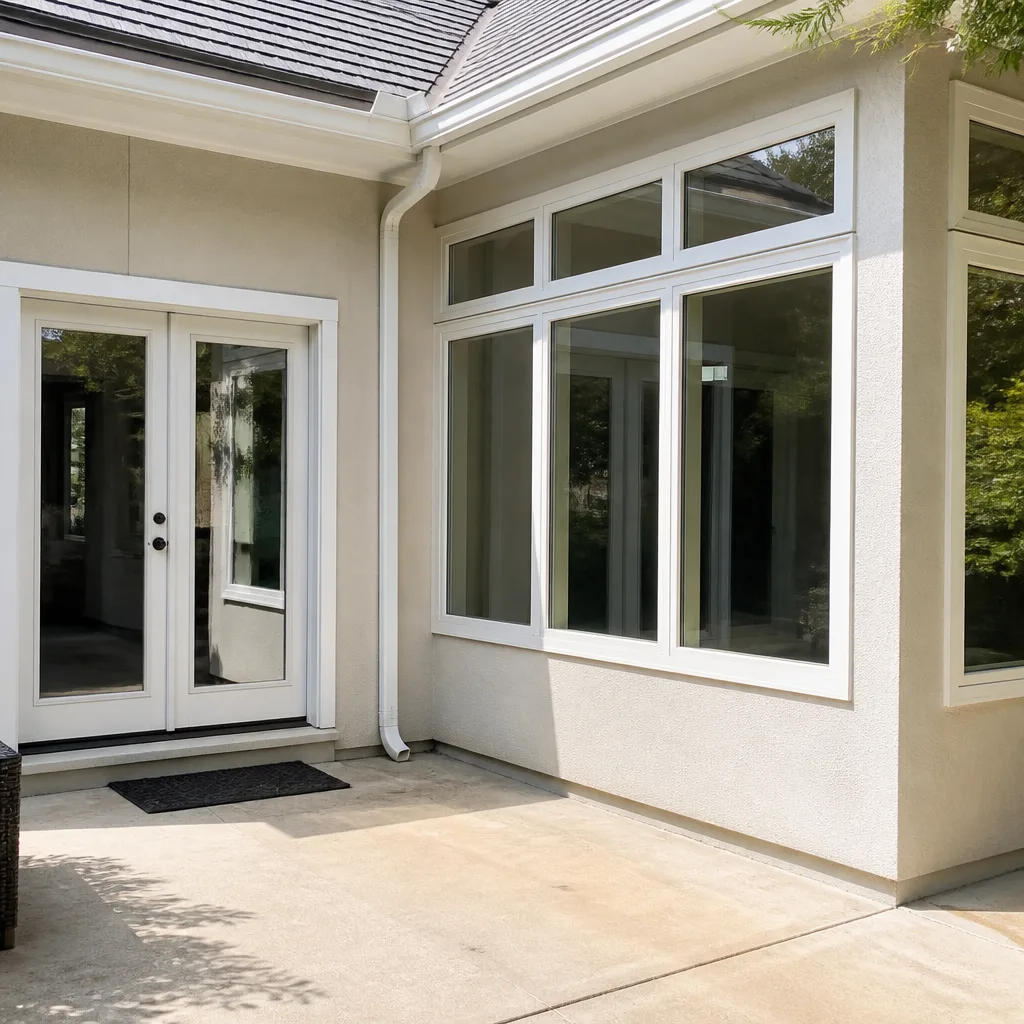 After
AfterCommon Water Damage Restoration Problems We See in Wells Branch Homes
- Galvanized pipe pinhole leaks inside walls. Wells Branch’s alkaline soil corrodes original 1980s-90s galvanized supply lines from the outside, and by the time a stain shows, the water has often been weeping for days. We treat these as category 2 jobs and open the wall cavity to dry the framing properly.
- Standing water hidden in pier-and-beam crawlspaces. A slab leak or supply-line break in a pier-and-beam home sends water under the floor, where it sits against the floor joists. Left unaddressed, that standing water grows mold on the joists within 48 hours and keeps the indoor relative humidity high enough to warp hardwood floors above.
- Townhome water spread through party walls. In shared-wall units, moisture travels through plumbing penetrations and framing connections into the neighbor’s side. Proper containment and air mover placement prevents the damage from becoming a neighbor’s problem, which also matters for the insurance claim.
- Roof debris and gutter overflow after spring and fall thunderstorms. The mature tree canopy over much of Wells Branch means gutters clog fast, and a clogged gutter during a May downpour sends water down the fascia and into wall and ceiling cavities on the top floor.
Pricing for Water Damage Restoration in Wells Branch, TX
Here’s what you can expect to pay in the Wells Branch market. Emergency water extraction runs $350 – $850 for a same-day call. Full structural drying after a supply-line or slab leak typically runs $1,800 – $4,500, depending on how many rooms are wet, whether crawlspace drying is needed, and whether containment is required. A flooded garage or sunken den from storm water usually lands between $1,200 and $3,200. A top-floor ceiling leak with drywall replacement and drying typically runs $1,500 – $3,800.
What moves the number is not the square footage alone. It’s whether the water reached the crawlspace, whether the wall cavity needs to be opened, and what category the water is. We give you the written price before any tool is touched. That’s the Kingswell Way. The number does not change at the door.
For an exact quote on your Wells Branch home, call (361) 326-2081. Estimates are free, and a live person answers.
We Also Serve Cities Near Wells Branch
Our crews cover Wells Branch and the surrounding Central Texas communities, including Austin, Round Rock, Leander, and Kyle. If you’re in a neighboring area and dealing with water damage, the same written-price guarantee and 365-Day Done Right Promise apply.
Serving Wells Branch, TX - Our Local Coverage Area
We’re based in the Wells Branch area and know this community well. Use the map below to see our service coverage - if you’re nearby, we can almost certainly help.
FAQs About Water Damage Restoration in Wells Branch
Wells Branch homes were built primarily in the 1980s and 1990s with galvanized steel supply pipes, and the alkaline soil in this part of Central Texas corrodes that pipe from the outside over several decades. The result is pinhole leaks that weep inside walls long before you see staining. Newer subdivisions like Avery Ranch and Brushy Creek were built with PEX or copper, so they don’t see this failure mode at the same rate. If you live in a 35-to-40-year-old Wells Branch home and you smell must or see bubbling paint, call (361) 326-2081 and we’ll moisture-map the wall before it becomes a larger repair.
Yes, in almost every case. Water from a supply-line or slab leak in a Wells Branch pier-and-beam home runs through the floor framing and into the crawlspace, where standing water and high humidity hide from view. If we don’t dry the crawlspace, the floor joists stay wet and the drying logs never hit target. We check under the house on every pier-and-beam job and set drying equipment below the floor when moisture mapping shows it’s needed. Call (361) 326-2081 for a crawlspace assessment after any leak.
Yes. In Wells Branch townhomes, we set up containment barriers to isolate the affected area and place air movers so they push moisture toward the dehumidifier’s return, not through party-wall penetrations into the neighboring framing. The goal is to create negative air pressure in the wet area, and we verify it with a manometer. We also document everything for the insurance claim, so your neighbor’s adjuster has a clear picture that the damage stayed on your side. Call (361) 326-2081 to schedule a same-day response.
Most Wells Branch calls are started within 90 minutes of the phone call. When a May or September downpour overwhelms drainage and sends storm water into a garage or finished lower level, the first hour sets the course for the whole job. We give you a named arrival window when you call, not a vague estimate. A live person answers 24 hours a day, 7 days a week. Call (361) 326-2081 and we’ll tell you exactly when the truck is rolling.
Category 2 water is water that has been sitting long enough or passed through building materials long enough to carry significant contamination, usually from a pipe that’s been weeping for days or weeks. In a Wells Branch wall cavity, that means the drywall, insulation, and framing need to be dried to a verified moisture content and treated with antimicrobial before closing the wall back up. We explain the category, the drying plan, and the written price before work begins, so you know exactly what’s being done and why. Call (361) 326-2081 for a free estimate.
Written by Carl Brandt, Owner at Dryden Restoration Austin, serving Wells Branch and the surrounding Central Texas communities.