
Last updated October 16, 2026
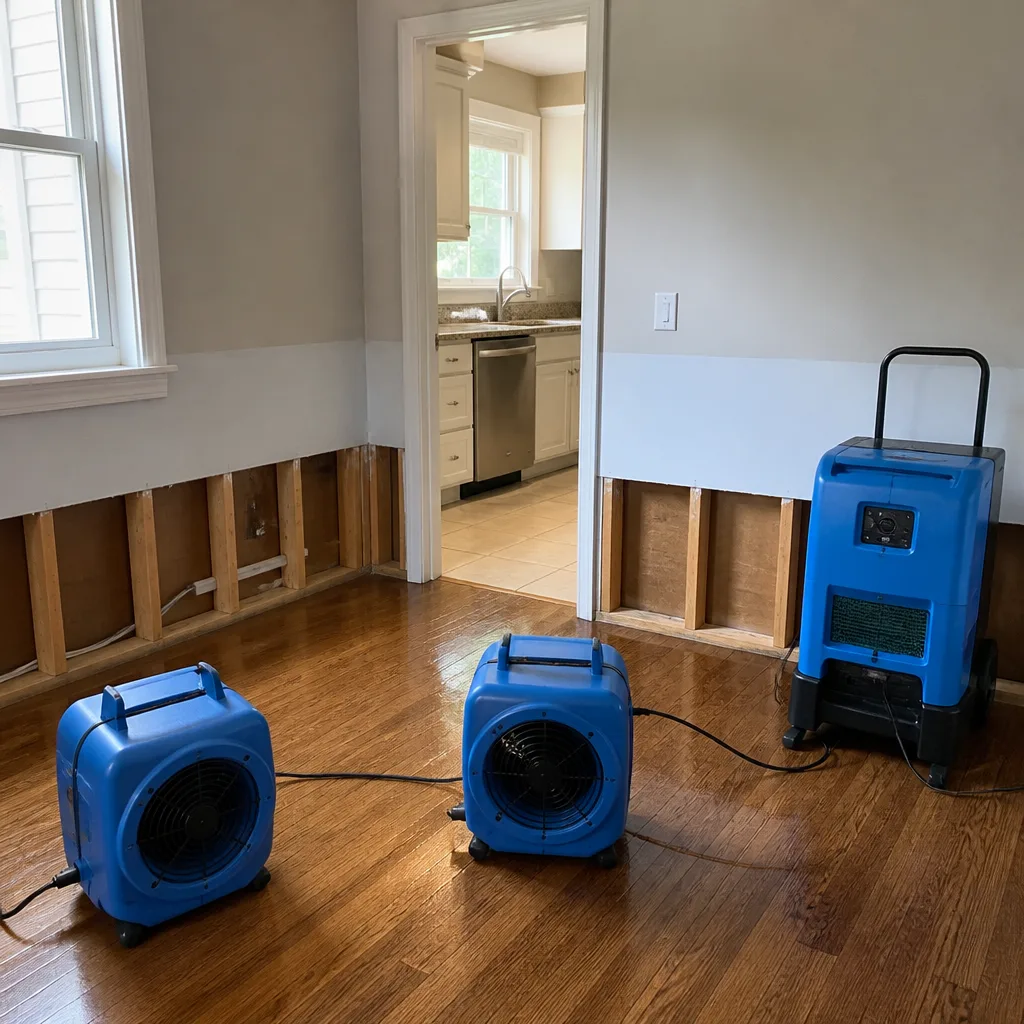 Water damage drying
 Fire & smoke cleanup
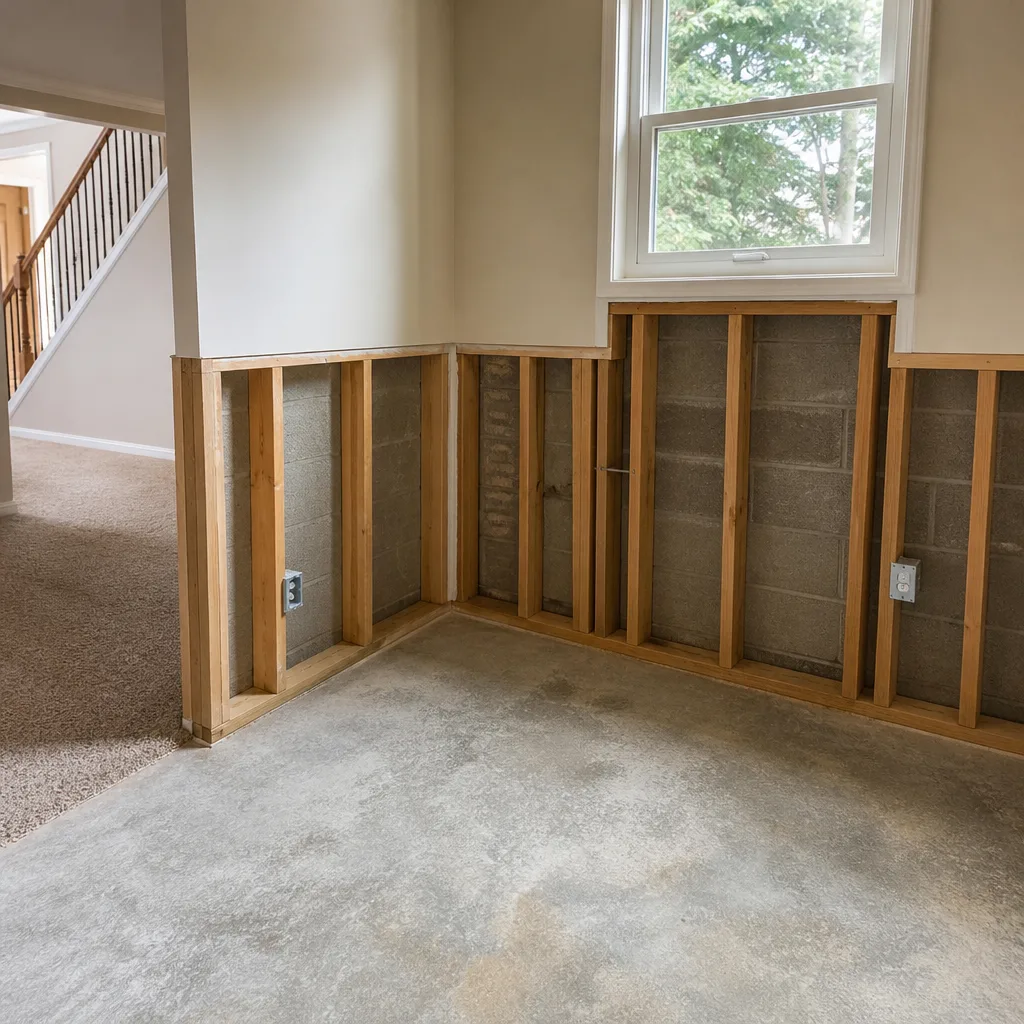 Mold remediation
 Storm response
 Sewage cleanup
 Reconstruction
Free visual inspection and a written scope of work before any mitigation begins - photos, moisture readings, and drying logs go in your claim file
The scope we write is the scope we bill. Anything new gets shown to you, in writing, before we touch it.
Get your free estimateDamage Restoration Cost Breakdown: The Austin Homeowner’s Reference for 2026
The average water damage restoration invoice in Austin in 2025 was $4,200, but that figure hides more than it reveals. The real range runs from about $900 for a single bathroom supply line leak to $47,000 for a Category 3 slab-level sewage flood. What follows is a detailed breakdown of what restoration actually costs in Austin in 2026, which variables move the number, and how to read an estimate so you aren’t surprised when the final invoice arrives.
Quick Answer
Water damage restoration in Austin TX in 2026 typically costs between $1,200 and $8,500 for most residential jobs. The price depends on three things: the category of water (clean, gray, or black), the square footage affected, and whether the water reached structural cavities like the slab, wall interiors, or HVAC ductwork. A small Category 1 leak in a single room usually lands under $2,000, while a Category 3 sewage backup requiring slab access and content pack-out can exceed $30,000.
Restoration work we handle
Table of Contents
- What Each Water Category Costs in Austin
- The Five Biggest Cost Drivers in Austin Restoration
- What Insurance Covers and What It Doesn’t
- A Real 2024 Austin Kitchen Supply-Line Burst, Itemized
- How to Read a Restoration Estimate Line by Line
- Mold Remediation and Fire Damage: Austin Cost Ranges
- Common Mistakes to Avoid
- When to Call a Professional
- Frequently Asked Questions
What Each Water Category Costs in Austin
The restoration industry classifies water damage into three categories, and the category determines the cost more than any other single factor. Water category affects what can be dried versus what must be removed, what personal protective equipment technicians need, and whether the affected materials count as hazardous waste in disposal fees.
Category 1 (Clean Water): This is water from a broken supply line, a leaking faucet, or an overflowing bathtub with no contaminants. It’s the cheapest to restore because most porous materials can be dried in place using professional-grade equipment like Dri-Eaz dehumidifiers and Phoenix air movers. In Austin, expect to pay between $3.50 and $5.50 per square foot for standard Category 1 restoration. A 200-square-foot kitchen with a supply line break runs $700 to $1,100 for drying alone, plus drywall, baseboard, and flooring repairs if the water sat for more than a few hours.
Category 2 (Gray Water): This includes washing machine discharge, dishwasher overflow, and sump pump failures. The water carries some contamination, which means carpet pad always gets replaced, affected drywall gets cut 12 to 18 inches above the visible water line, and technicians follow more stringent disinfecting protocols. Austin rates for Category 2 work range from $5.50 to $8.00 per square foot. A 400-square-foot laundry room flood in the Mueller area typically lands between $2,200 and $3,200 before rebuild.
Category 3 (Black Water/Sewage): This is water containing sewage, rising floodwater from creeks or lakes, or standing water that has grown bacteria. Every porous material touched by Category 3 water gets removed, no exceptions under IICRC S500 standards. Non-porous surfaces require antimicrobial treatment and verification testing. Disposal costs rise because contaminated materials go to designated facilities. In Austin, Category 3 restoration runs $12 to $25 per square foot, and totals rarely fall below $8,000 when a bathroom or utility room is involved. Slab-level sewage backups in older Austin neighborhoods like Crestview or Allandale, where cast-iron drain lines are common, have reached $40,000 and up.
Here’s the cost table we use when helping Austin homeowners understand what they’re likely facing:
- Category 1, single room (under 200 sq ft): $900 – $2,200
- Category 1, multiple rooms (200-500 sq ft): $2,000 – $5,500
- Category 2, single room (under 200 sq ft): $1,400 – $3,200
- Category 2, multiple rooms (200-500 sq ft): $3,000 – $7,000
- Category 3, single room (under 200 sq ft): $4,000 – $9,500
- Category 3, multiple rooms or slab-level (200+ sq ft): $9,000 – $47,000
The Austin climate matters in every category. Our humidity averages above 60% most months, which means unmitigated water damage promotes mold growth faster than in drier regions. That’s why professional crews starting any water damage restoration in Austin set up containment and begin active drying within hours, not days. Drying equipment from brands like Dri-Eaz and XPOWER runs continuously, with technicians returning daily to monitor relative humidity levels using psychrometric readings.
The Five Biggest Cost Drivers in Austin Restoration
Two houses on the same street can experience identical-looking water damage and receive invoices thousands of dollars apart. Here are the five variables that actually move the number in Austin.
1. Whether the Slab Must Be Accessed
Most Austin homes built before 2010 sit on concrete slab foundations. When a supply line leaks beneath the slab, the restoration crew cannot reach the source without either tunneling from the exterior or cutting through the slab from inside. Both methods add $3,000 to $12,000 to the project, depending on how far the line runs and whether engineered slab repairs are required afterward. In our experience on the east side of Austin, where older slab homes are common, sub-slab supply line leaks account for some of the highest restoration invoices we see.
2. How Many HVAC Zones Were Affected
If water entered ductwork or if the HVAC system ran while water was present, the contamination spreads beyond the visible damage area. Every affected zone requires access, cleaning, sanitizing, and in some cases duct replacement. Each additional HVAC zone in an Austin home adds $800 to $2,500 to the restoration total. This cost driver is invisible to homeowners until a technician inspects the returns and supply vents.
3. Mold Presence Confirmed vs. Suspected
If visible mold is present at the start of a job, the project scope changes completely. Restoration shifts into mold remediation protocol, which requires containment barriers, negative air pressure, HEPA filtration, and post-remediation verification testing. In Austin, confirmed mold presence adds 40% to 70% to the cost of a water restoration project. Suspected mold that turns out to be absent does not add that cost. This is why a thorough initial assessment saves homeowners from inflated prophylactic charges.
4. Content Pack-Out Required
When furniture, clothing, rugs, and personal belongings must be removed, inventoried, cleaned, and stored while the structure dries, you’re paying for pack-out services. Full-service content pack-out in Austin runs $1,500 to $5,000 per room depending on volume and whether specialized cleaning like dry cleaning or electronics restoration is involved. Homes with extensive artwork, book collections, or musical instruments fall on the high end.
5. Permit Fees
Any restoration work involving structural changes, electrical rewiring, or plumbing replacement requires Damage Restoration Permits, Codes & Inspections in TX: What You Need to Know from the City of Austin. Electrical and plumbing permits typically run $75 to $300 each. Structural permits for sub-slab access or major reconstruction can cost $500 to $2,000 depending on the scope. Some restoration companies fold permit fees into their estimate; others bill them as a separate line item. You should know which before signing anything.
What Insurance Covers and What It Doesn’t
A standard Texas homeowner’s policy, including those commonly written in Austin, covers water damage that is sudden and accidental. A supply line that bursts, a water heater that fails, a washing machine hose that splits, a storm that forces water through the roof: these are covered. The policy pays to restore the property to its pre-loss condition, minus your deductible, subject to policy limits.
What the policy does not cover is gradual damage. That phrase shows up in nearly every Austin homeowner’s policy and it’s worth understanding exactly what it means. Gradual damage is a slow leak that has been happening for weeks or months: a pinhole drip under a sink, a shower pan that has been seeping, a roof flashing that has been letting tiny amounts of water in over time. Because these losses happen slowly, insurers classify them as maintenance failures rather than sudden events, and they deny the claim.
The practical consequences are significant for Austin homeowners. If you discover a leak today and the restoration company finds mold has already formed, the insurer may argue the leak existed before the “event” you’re claiming. If the water damage is from a Category 3 source like a sewer backup, the base homeowner’s policy often excludes sewage unless you’ve purchased a specific rider. In Austin, we recommend checking your policy for a water backup endorsement, which typically adds $10,000 to $25,000 in sewer backup coverage for about $50 to $150 per year.
Here’s what typically falls to the homeowner after a covered loss:
- Deductible: Usually $1,000 to $2,500 (sometimes higher for older Austin homes with claims history).
- Upgrades beyond like-kind replacement: If you want tile instead of laminate, you pay the difference.
- Code upgrades: If current Austin building code requires changes the home didn’t previously meet, some policies cover this and some don’t.
- Sewage backup without an endorsement: As noted above, excluded unless you bought the rider.
- Mold remediation beyond policy limits: Many policies cap mold coverage at $5,000 to $10,000 regardless of the actual cost.
Working through an Austin insurance restoration project without help means you’ll be dealing with adjusters, documentation requirements, and coverage questions on your own. A restoration company that provides photo documentation and direct adjuster coordination keeps the claim moving and reduces what falls through the cracks. At Dryden Restoration Austin home, we handle insurance documentation as standard practice on every covered loss.
A Real 2024 Austin Kitchen Supply-Line Burst, Itemized
Numbers on a cost guide are abstract. Here’s an actual project from 2024 in the Brentwood neighborhood of Austin, with the homeowner’s name withheld for privacy. A braided stainless supply line under the kitchen sink failed at about 7:00 AM on a Tuesday. Water ran for roughly 45 minutes before the homeowner shut off the main valve. The leak affected the kitchen, a partial dining area, and the garage ceiling below.
Scope: Category 1 water, approximately 320 square feet affected. Flooring was engineered hardwood. Water had wicked into baseboards and drywall up to 14 inches in places.
Itemized Restoration Invoice:
- Emergency response and assessment (within 90 minutes of call): $350
- Water extraction (3 technician hours, truck-mounted extraction unit): $475
- Equipment rental and monitoring, 7 days: $1,480 (included two Dri-Eaz LGR dehumidifiers, six Phoenix air movers, and daily RH monitoring)
- Removal of affected drywall and baseboards: $520
- Antimicrobial treatment: $240
- Drying verification and equipment removal: $150
- Rebuild of drywall, texture, and paint (subcontracted): $2,100
- Baseboard replacement in kind: $340
- Debris removal and disposal: $210
- Adjuster documentation package: included at no charge
Total Restoration Invoice: $5,865
The homeowner’s policy had a $2,500 deductible. Insurance paid $3,365 toward the claim. Final out-of-pocket cost: $2,500 exactly. This is what a straightforward Austin water restoration project looks like when it’s caught early and mitigated professionally. The same leak, if it had gone unnoticed for 48 hours, would have likely added mold remediation and slab concerns, pushing the number over $12,000. For help spotting issues early, see our Damage Restoration Warning Signs: A Austin Homeowner’s Reference Guide.
How to Read a Restoration Estimate Line by Line
Restoration estimates follow a format defined by IICRC S500 standards and the estimating software most contractors use. Understanding the line items protects you from inflated charges and from contractors who cut corners you can’t see until months later.
Step 1: Confirm the category and class. The estimate should state the water category (1, 2, or 3) and the class of water loss (1 through 4), which describes how much of the space is saturated. Class 4, meaning deeply saturated materials like hardwood and stone, costs more to dry than Class 1, meaning minimal absorption. If the category or class is missing, the estimate is incomplete.
Step 2: Look at equipment line items. Professional drying equipment is rented per day and billed as a specific number of units. A 320-square-foot loss will typically not need more than 2 to 3 dehumidifiers and 5 to 6 air movers. If you see 12 air movers for a small kitchen, ask for justification. Equipment from brands like Dri-Eaz, Phoenix, and XPOWER carries a known daily rate range in Austin; consumers can verify typical rates through general pricing references.
Step 3: Understand what’s negotiable and what’s not.
Negotiable: Content pack-out volume (you can handle some items yourself), rebuild finish level (paint grade vs. premium), painting scope, and whether secondary rooms get full restoration or spot treatment.
Not negotiable: Emergency response fees, water extraction in Category 2 or 3 scenarios, antimicrobial application in Category 3, equipment minimums required to hit drying targets, and disposal of contaminated materials. Cutting these corners creates mold or health risks.
Step 4: Verify the drying standard. A proper Austin restoration estimate includes daily monitoring and a final moisture reading showing the space reached drying goals. The IICRC S500 standard requires that drying continue until materials return to their normal moisture content. An estimate that doesn’t mention monitoring or drying verification is a red flag.
Carl Brandt, owner at Dryden Restoration Austin, keeps the process simpler for Austin homeowners: we provide a written price before any work begins. The number on the line is the number you pay. If something changes mid-project because hidden damage is discovered, the new scope and revised price go back in writing before additional work starts. We’ve seen how the industry has conditioned homeowners to expect surprises, and the Kingswell way is built around eliminating exactly that uncertainty.
Mold Remediation and Fire Damage: Austin Cost Ranges
Water damage is the most frequent restoration need in Austin, but mold and fire restoration have their own cost structures, and many homeowners facing one end up considering the others. For related guidance, browse our more guides & resources.
Mold Remediation in Austin
Mold remediation in Austin typically runs $1,800 to $6,500 for a contained area like a bathroom or closet. Whole-attic remediation, which is common in Austin because of our humidity and older homes with ventilation issues, ranges from $4,000 to $12,000. Full crawlspace remediation under a pier-and-beam home in neighborhoods like Hyde Park or Travis Heights can reach $15,000 to $25,000 when structural wood treatment and vapor barrier replacement are included.
The cost follows the same logic as water damage, with one addition: testing. Pre-remediation testing to identify the mold species runs $300 to $500. Post-remediation verification testing, which we recommend on every project, runs $400 to $700. Some Austin restoration companies skip post-testing to keep prices lower; we consider it a mandatory part of mold remediation in Austin because it proves the job worked.
Fire Damage Restoration in Austin
Fire restoration in Austin ranges widely because the damage profile varies so much. A contained kitchen fire with smoke damage throughout the house might run $8,000 to $25,000. A significant structural fire requiring partial rebuild can exceed $100,000. Smoke damage alone, even in rooms untouched by flame, often costs $2,000 to $6,000 to clean properly because smoke penetrates porous surfaces and requires specialized cleaning methods and air scrubbing.
With fire damage restoration in Austin, the most expensive hidden cost is usually the water damage from firefighting. The water used to extinguish the fire creates its own Category 2 or 3 restoration need, and the combined fire plus water scope drives invoices higher than homeowners anticipate.
Common Mistakes to Avoid
- Waiting to see if it dries on its own. Austin’s humidity means water damage will not simply evaporate in the time frame that matters. Mold begins forming within 48 to 72 hours. Every day of delay moves the cost up and can shift the claim from “sudden” to “gradual” in an insurer’s eyes.
- Hiring the cheapest available crew without checking credentials. Restoration work performed by untrained crews frequently results in incomplete drying, hidden mold, and structural issues that surface months later. The cheapest invoice becomes the most expensive when remediation has to be redone.
- Signing an estimate that doesn’t state the water category. If the category isn’t on paper, the contractor has room to change the scope and price after the fact without justification.
- Skipping post-remediation verification testing. In mold jobs especially, the only proof that remediation worked is a third-party lab result showing spore counts returned to normal. Without it, you’re taking the contractor’s word.
- Not documenting everything for insurance. Photos taken before, during, and after mitigation are the difference between a smooth Austin claim and a denied one. Your restoration company should be generating this documentation automatically.
- Assuming the insurance company’s preferred vendor is the only option. Texas homeowners have the right to choose their restoration contractor. You are not required to use the insurer’s referral.
- Tackling Category 2 or 3 water damage yourself. Gray and black water carry contamination that requires professional PPE and antimicrobial protocols. The health risk is real, and a DIY attempt rarely satisfies insurance documentation requirements.
When to Call a Professional
Call a restoration professional immediately if water has been running for more than 30 minutes, if water has reached walls or penetrated flooring beyond a surface wipe-up, or if the water source is anything other than a clean supply line. Sewage backups, washing machine failures, and any standing water deeper than a quarter inch all warrant professional equipment and protocol. If mold is visible on more than 10 square feet of surface, professional remediation is the responsible route; small areas under 10 square feet can sometimes be handled with proper cleaning and the moisture source corrected. Dryden Restoration Austin offers free estimates in Austin, and our team can walk through what your specific situation is likely to require. Call (361) 326-2081, and a live person answers, 24 hours a day.
Frequently Asked Questions
Water damage restoration in Austin TX in 2026 costs between $900 and $47,000 depending on the water category, affected square footage, and whether slab access or HVAC remediation is needed. The most common residential projects with Category 1 clean water in a single room land between $900 and $2,200. A Category 3 sewage flood affecting multiple rooms can exceed $30,000. Call (361) 326-2081 for an exact quote on your situation, with no obligation.
Your Austin homeowner’s policy covers water damage that is sudden and accidental, like a ruptured supply line or a failed water heater. It will not cover gradual damage, which is any slow leak that has been happening over time. Sewage backups require a specific endorsement on most Texas policies. Check your policy’s water backup coverage limits and call (361) 326-2081 if you need help understanding what your claim is likely to pay.
Dryden Restoration Austin responds to water emergencies within hours, not days, because every hour of standing water in Austin’s humidity increases the scope and cost of the restoration. Our phone line is answered by a live person, 24 hours a day, 7 days a week, and we dispatch emergency crews throughout the Austin metro. Call (361) 326-2081 and you’ll speak with a human being who can tell you what happens next.
If the water is Category 1 clean water and was caught within hours, professional drying combined with cleaning may be sufficient. Category 2 gray water and Category 3 black water always require full remediation because the contamination penetrates porous materials. A professional assessment will tell you which applies. Dryden Restoration Austin provides that assessment free in Austin, at (361) 326-2081.
You do, but you shouldn’t do it alone. Dryden Restoration Austin provides photo documentation, moisture readings, and written scope reports that go directly to your adjuster. We’ve navigated Austin claims for years and we know what documentation insurers require. The goal is that you don’t have to become a restoration expert overnight. Call (361) 326-2081 and we’ll explain what documentation your specific claim will need.
The 365-Day Done Right Promise is the written guarantee that accompanies every restoration job Dryden performs in Austin. If a covered repair fails within 365 days, we come back and correct it at no charge. The promise is in writing, on every job, with the specific terms spelled out before work begins. No verbal assurances, no fine print surprises. Call (361) 326-2081 for the details of what the guarantee covers on your project.
The Bottom Line
Restoration costs in Austin follow a logic you can learn in about an hour. The water category sets the floor. The square footage and whether structural cavities were affected set the ceiling. Everything else, from equipment costs to permit fees, falls between those two points. The homeowners who end up with surprising invoices are the ones who worked with companies that never put a specific number in writing. The 365-Day Done Right Promise, a written price before any work starts, and a live person who answers the phone at (361) 326-2081, that’s the standard we’ve held in Austin since 2005, and it’s the one we hold on every job.
Written by Carl Brandt, Owner at Dryden Restoration Austin, serving Austin since 2005.
See the difference
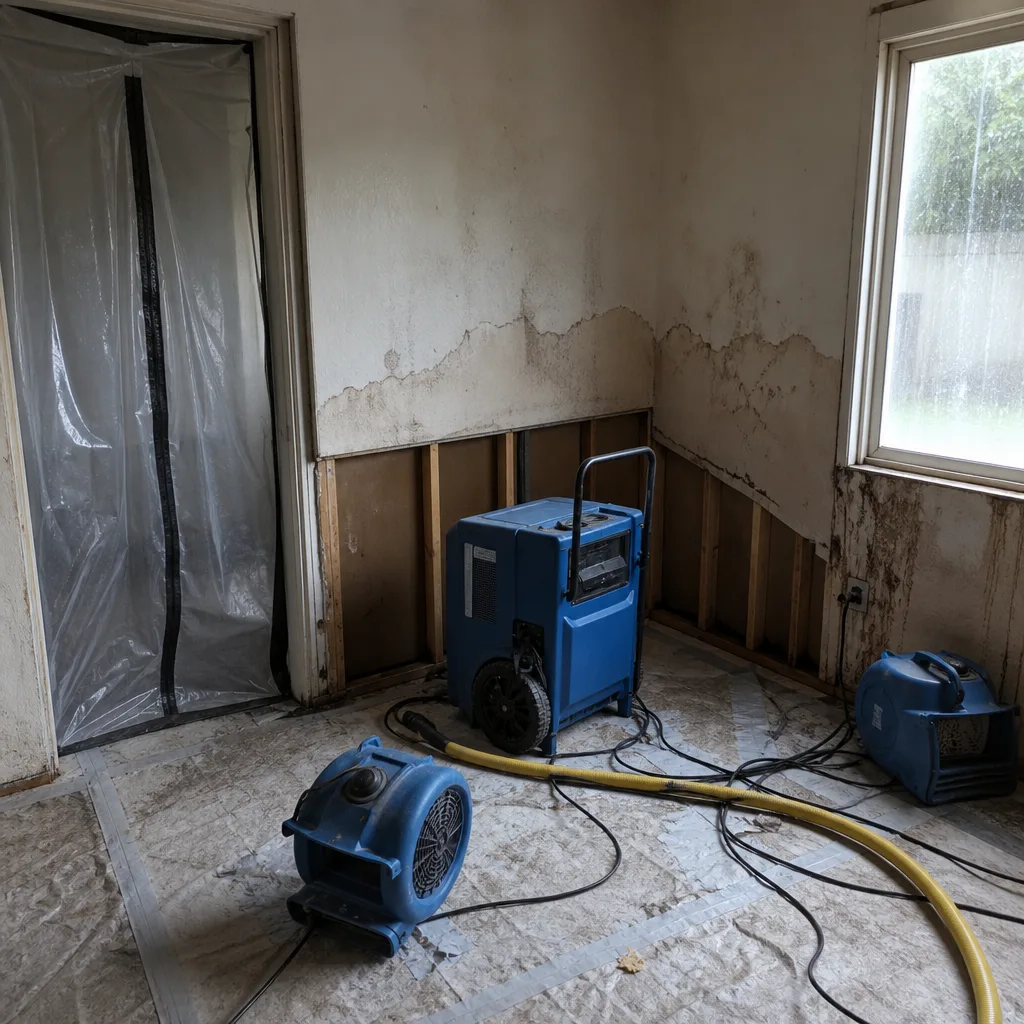 Before
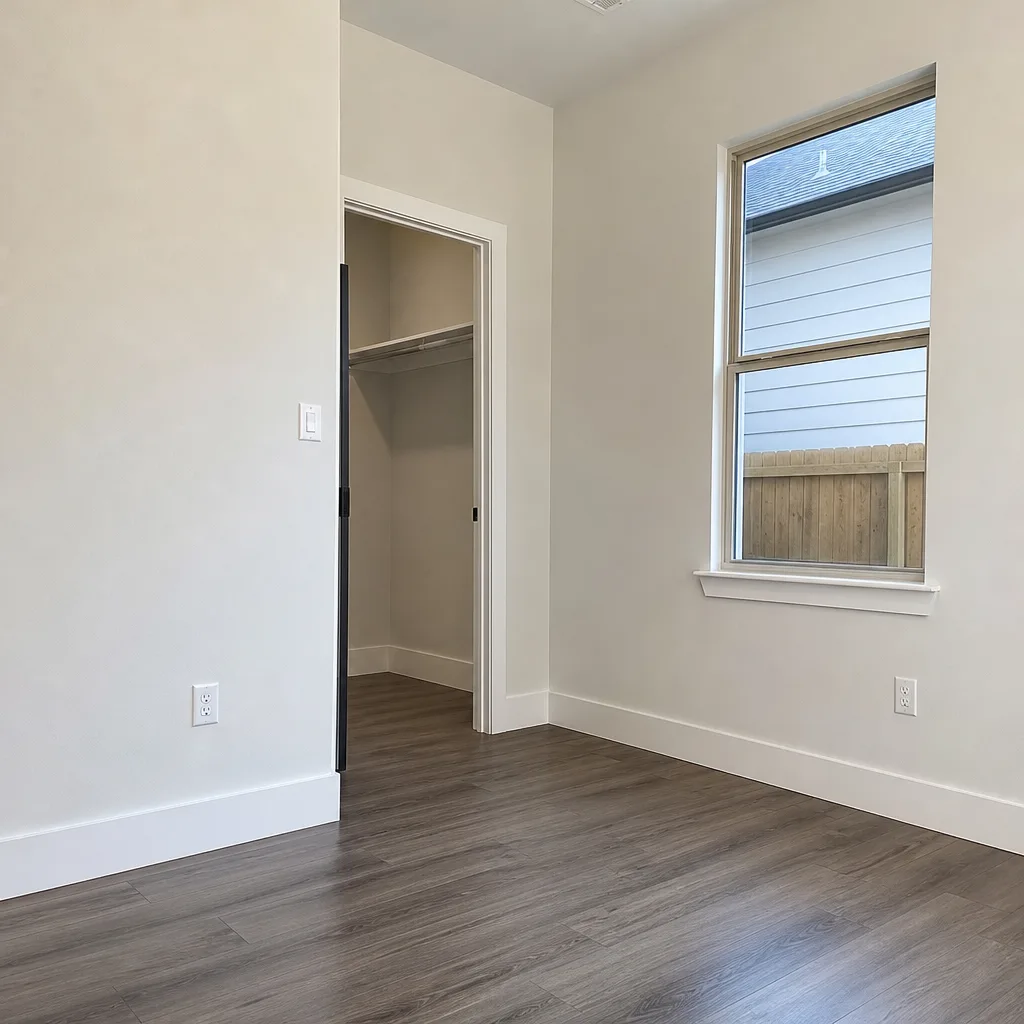 After
After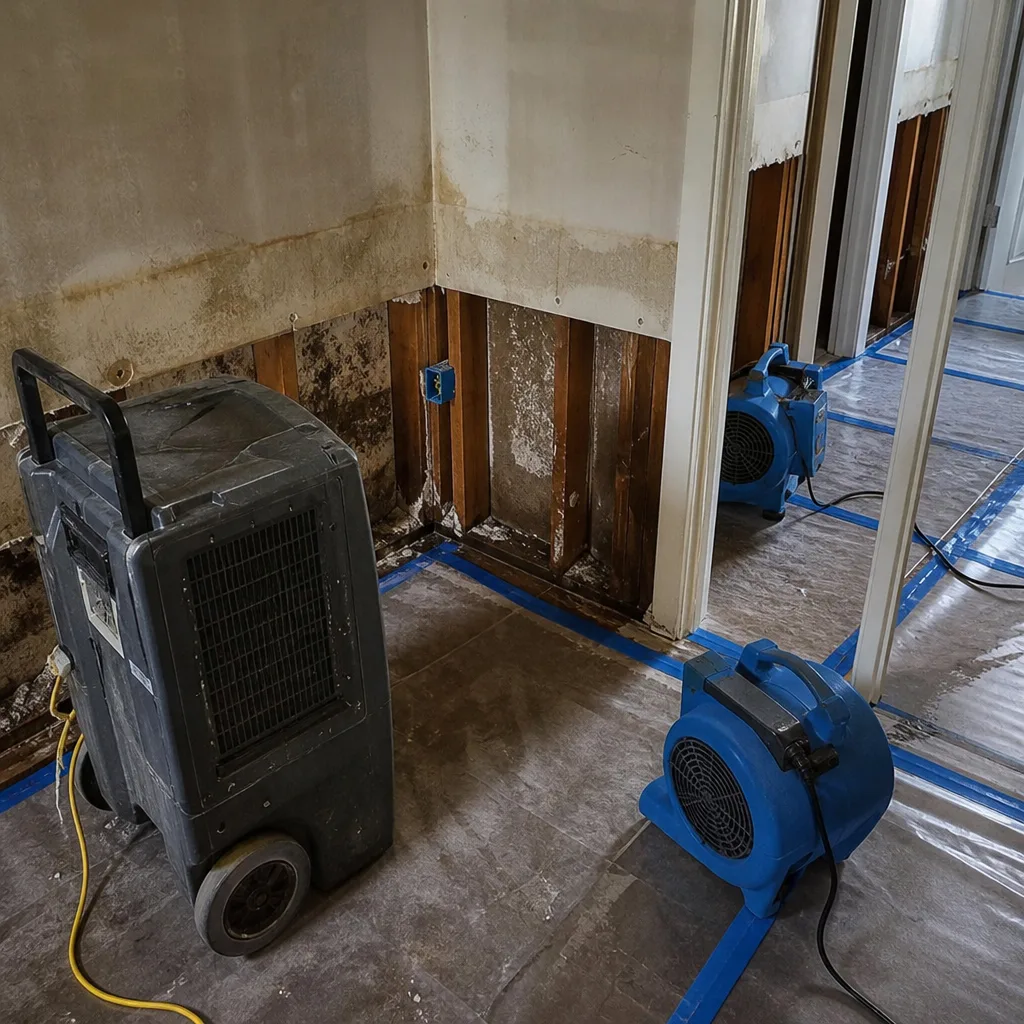 Before
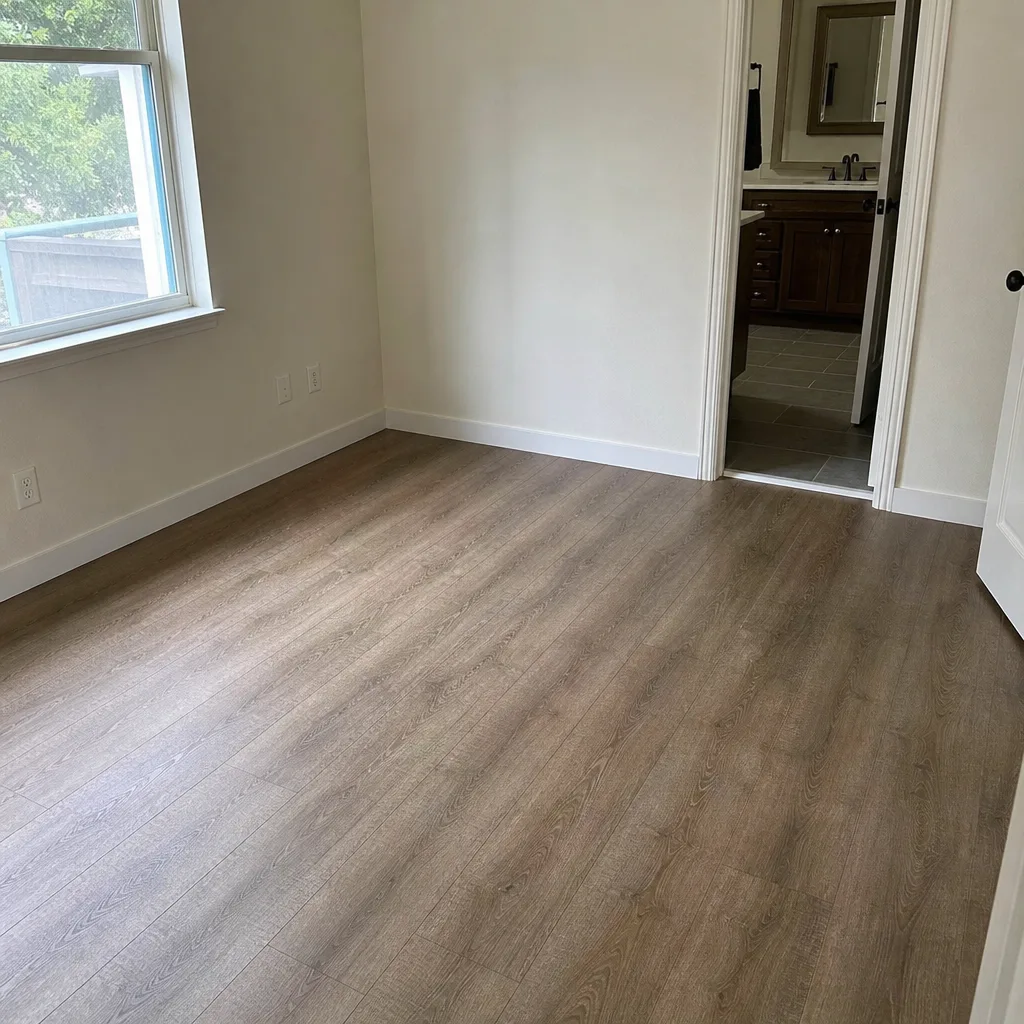 After
After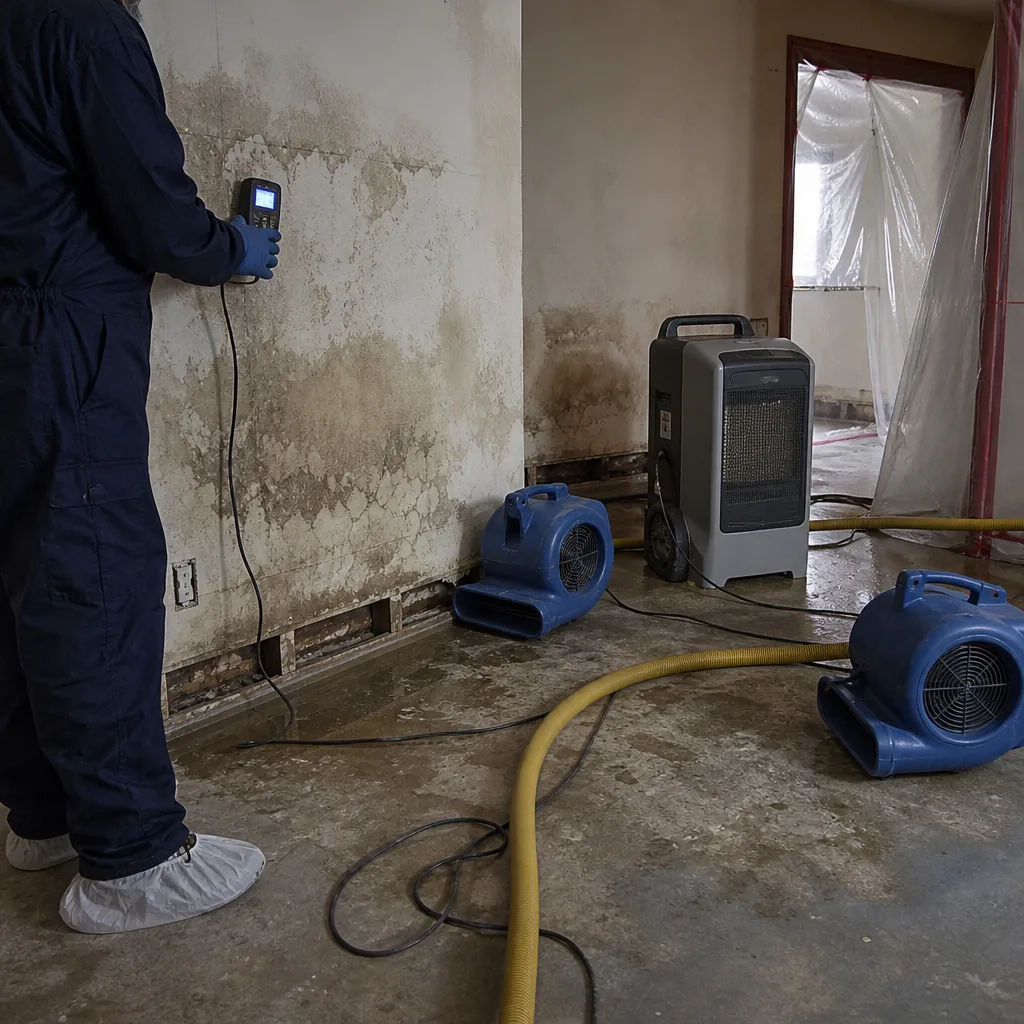 Before
 After
After