

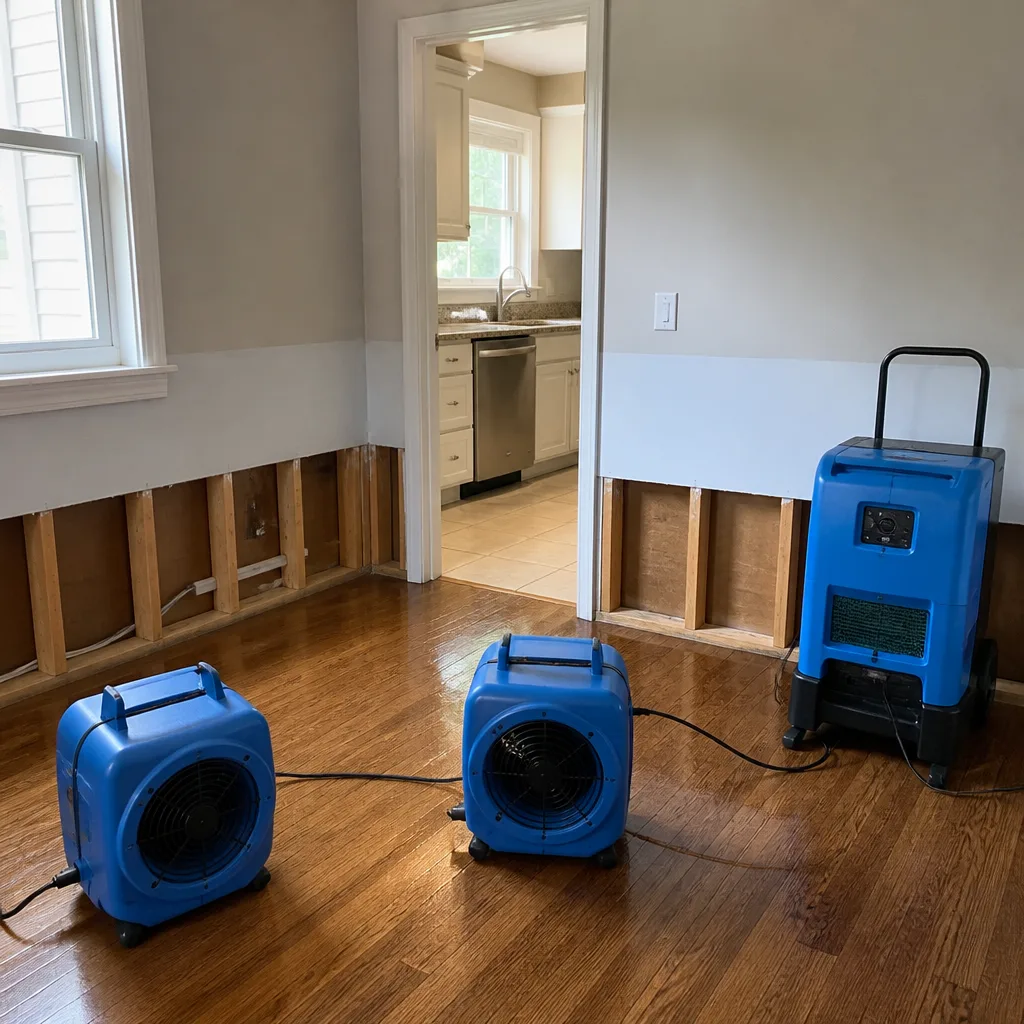
 Water damage drying
 Fire & smoke cleanup
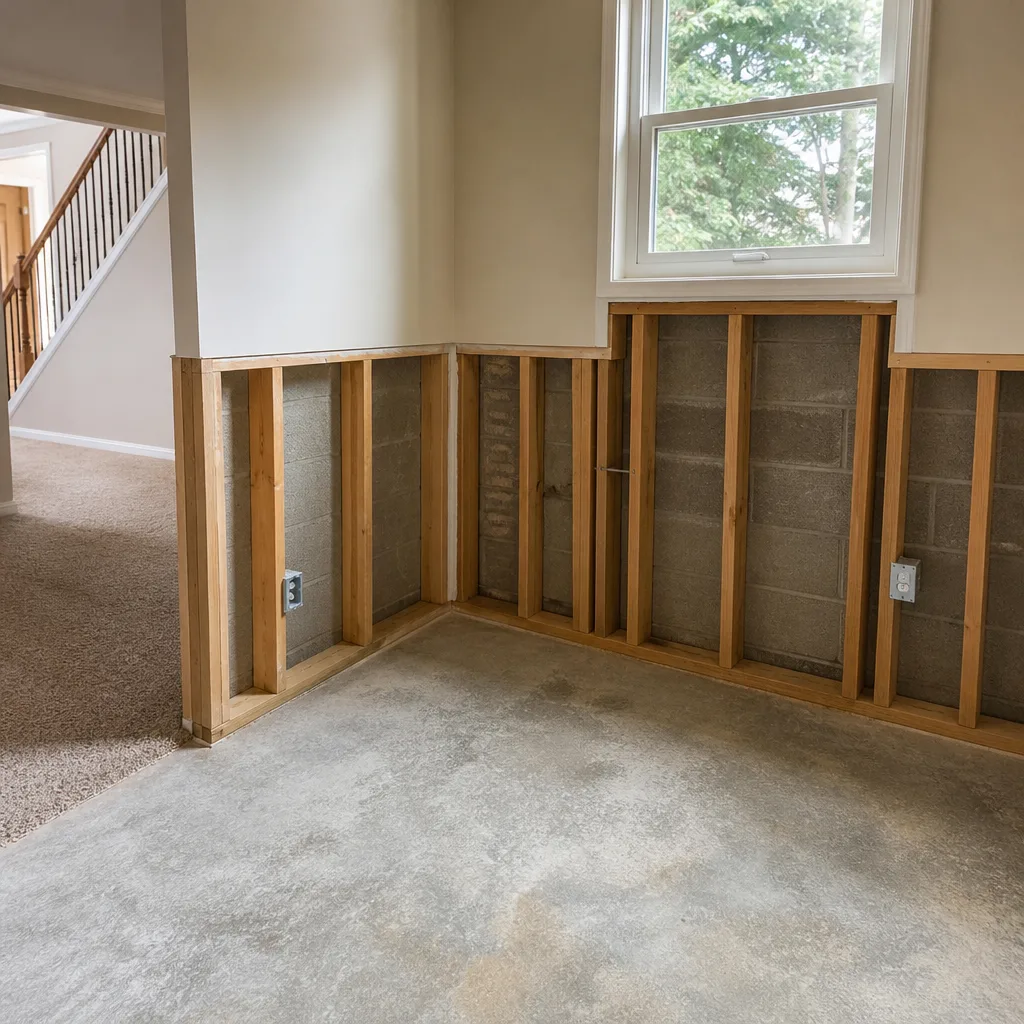 Mold remediation
 Storm response
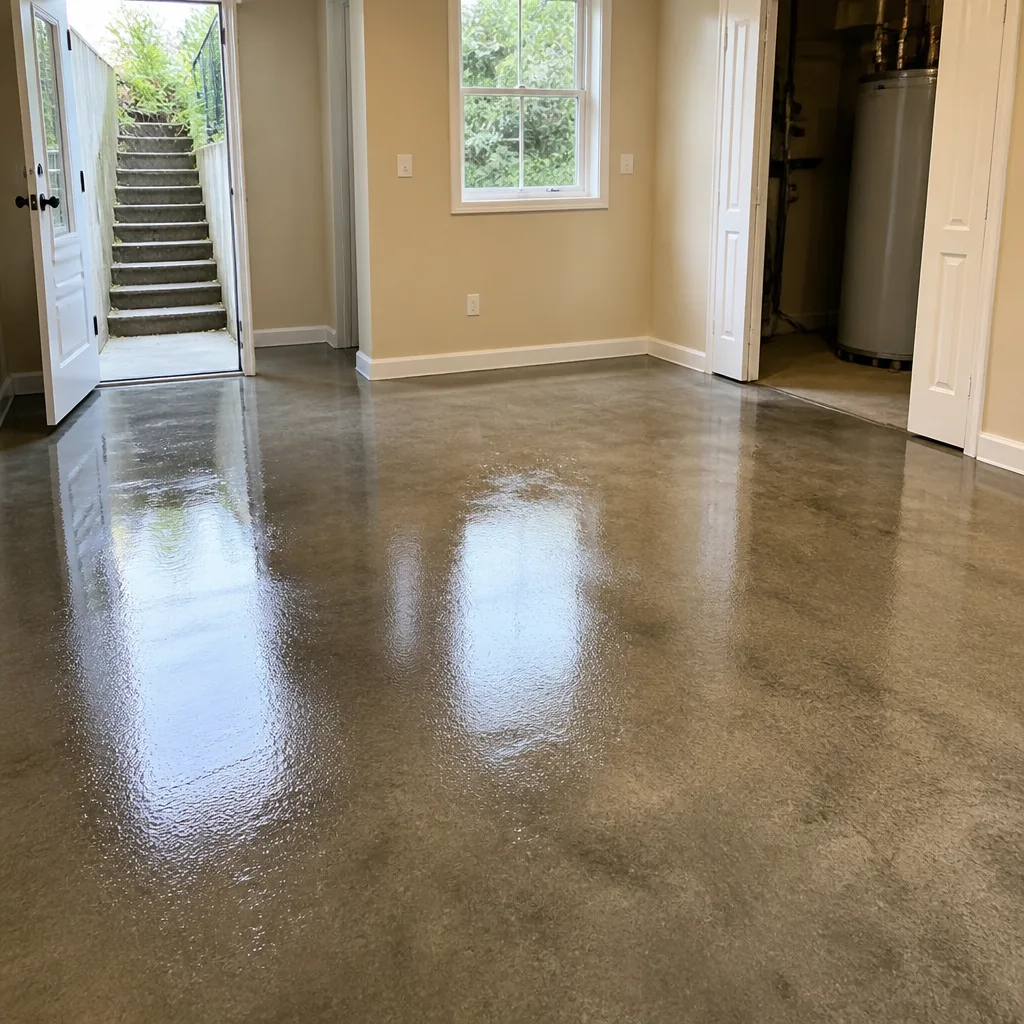 Sewage cleanup
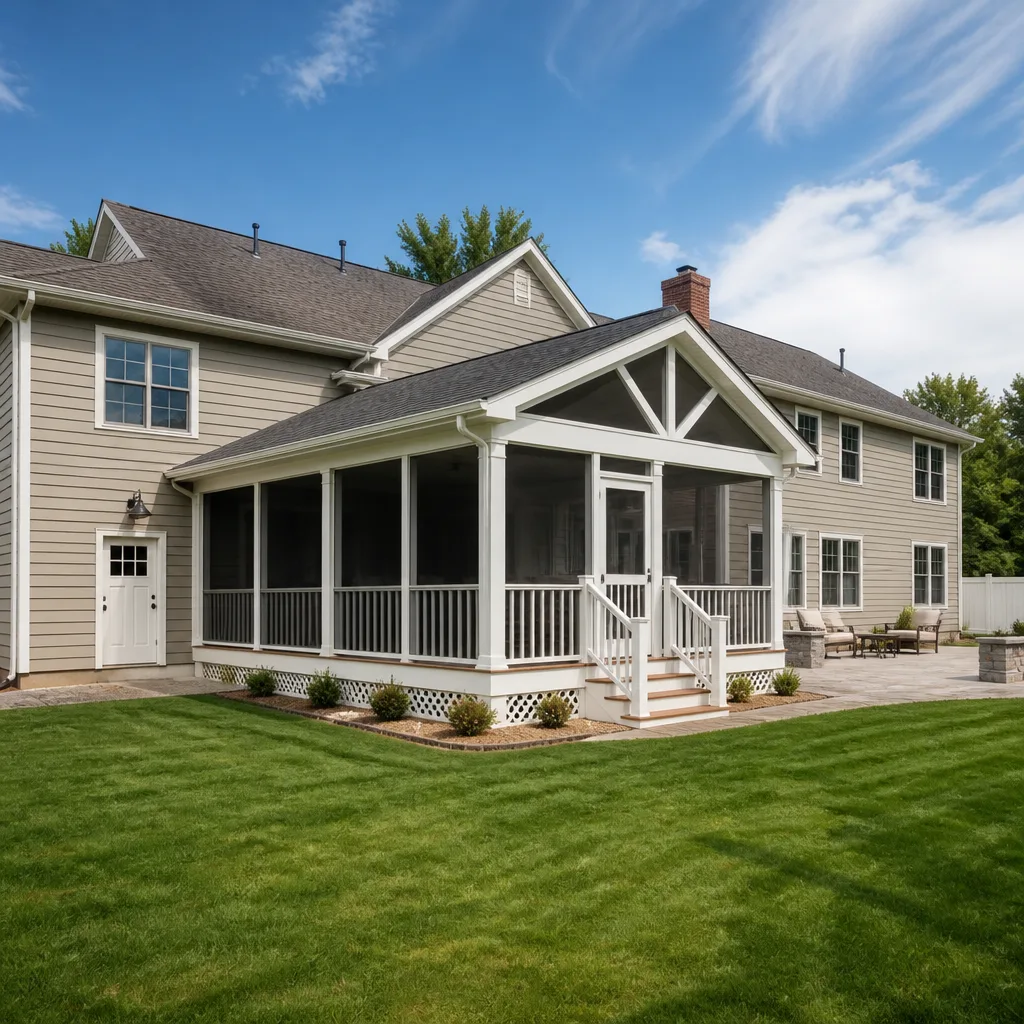 Reconstruction
Free visual inspection and a written scope of work before any mitigation begins - photos, moisture readings, and drying logs go in your claim file
The scope we write is the scope we bill. Anything new gets shown to you, in writing, before we touch it.
Get your free estimateRestoration work we handle
See the difference
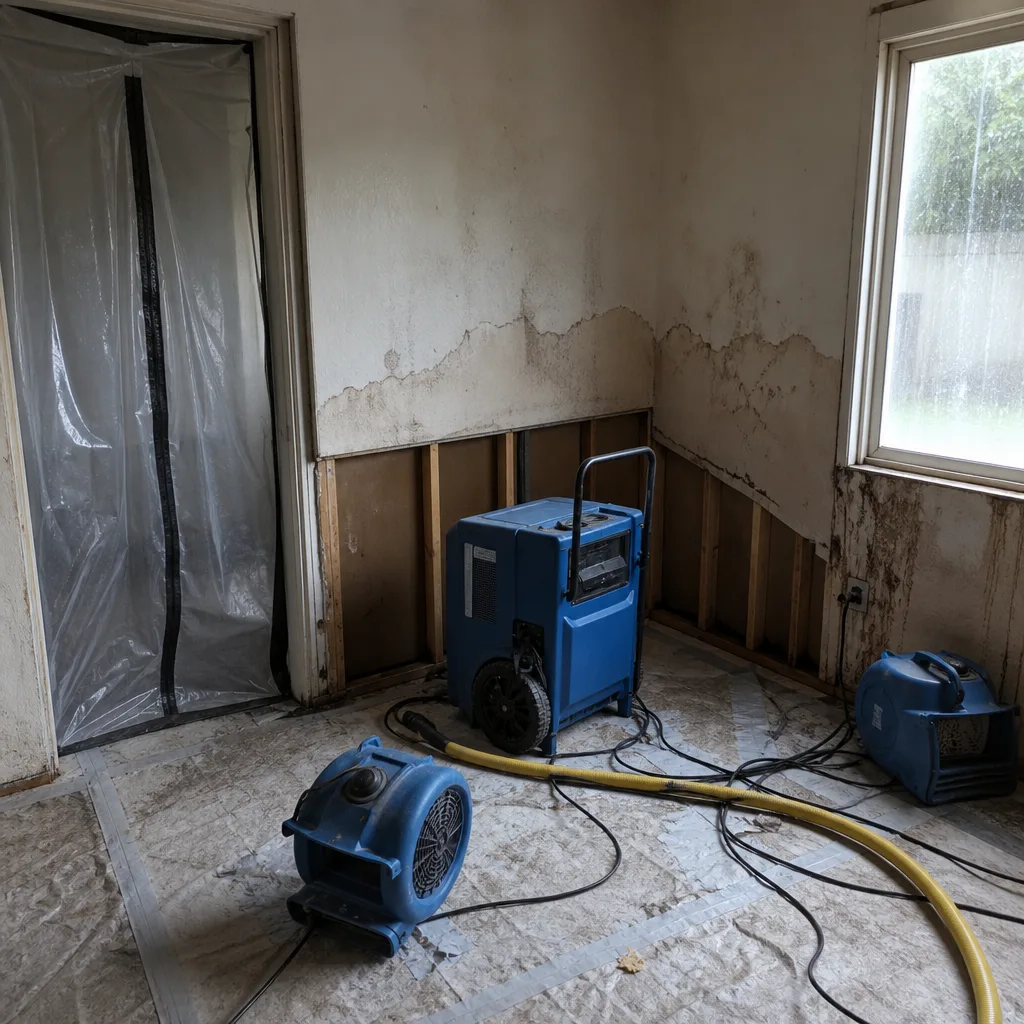 Before
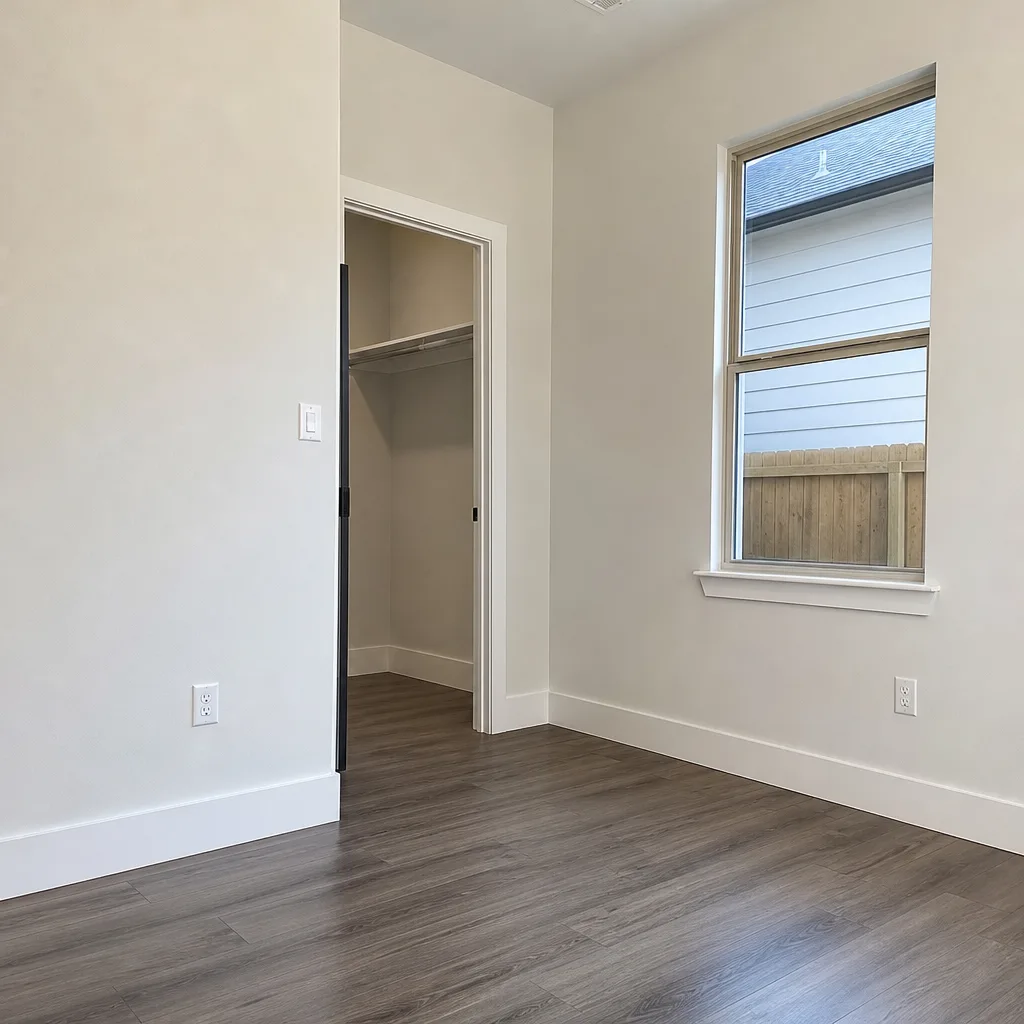 After
After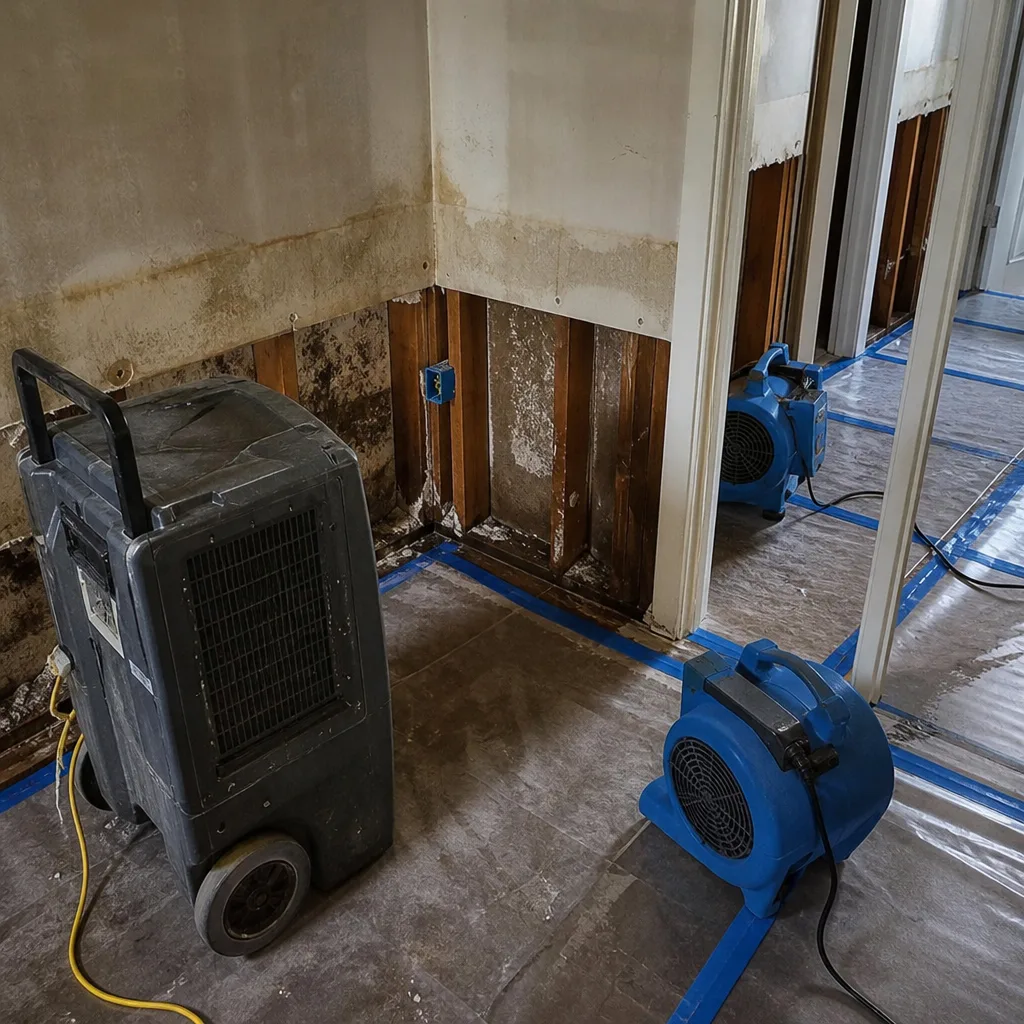 Before
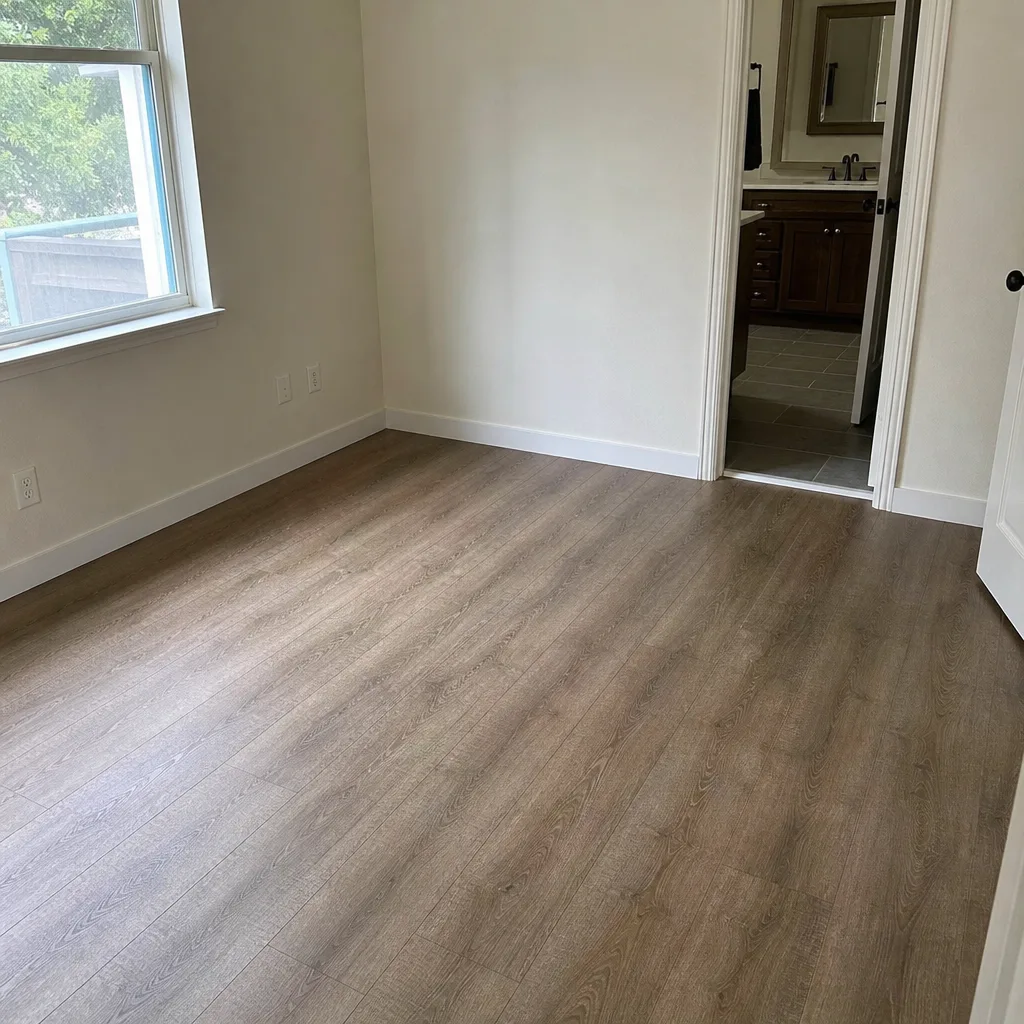 After
After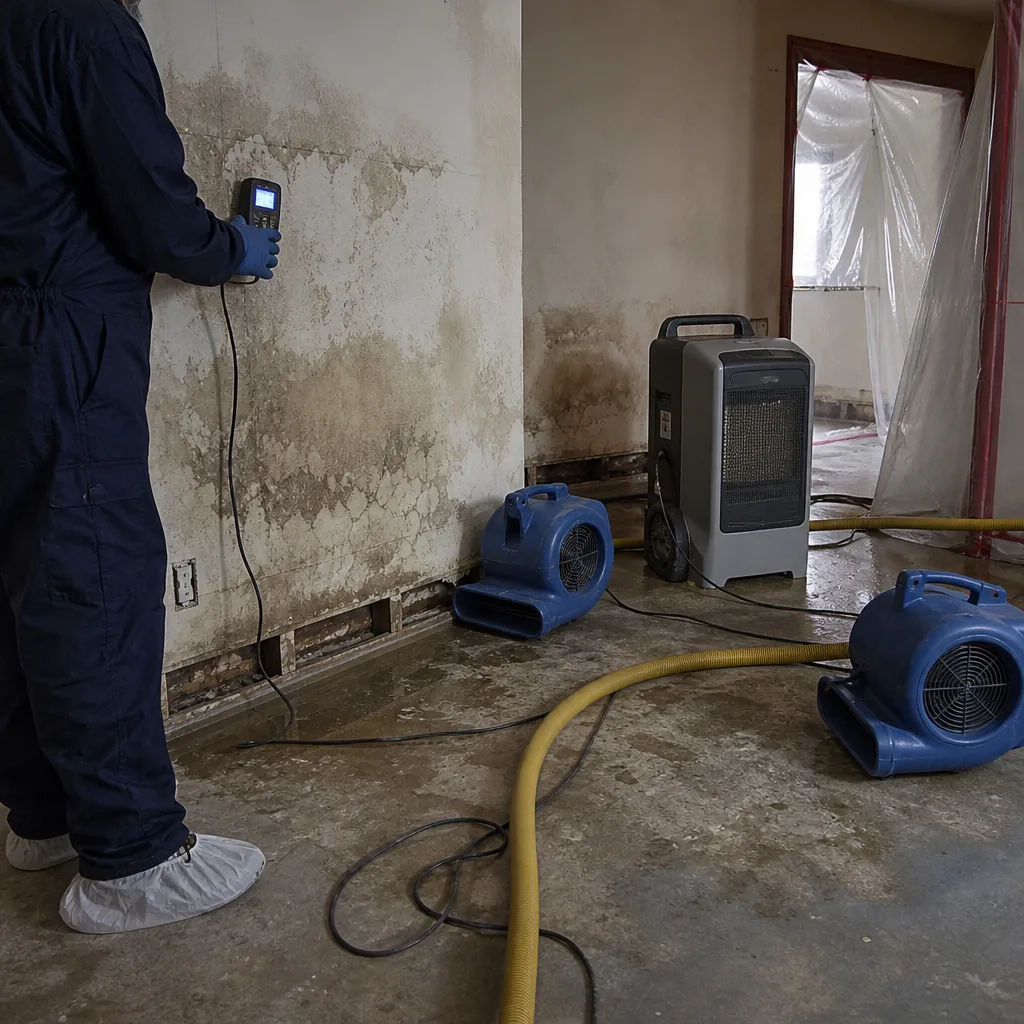 Before
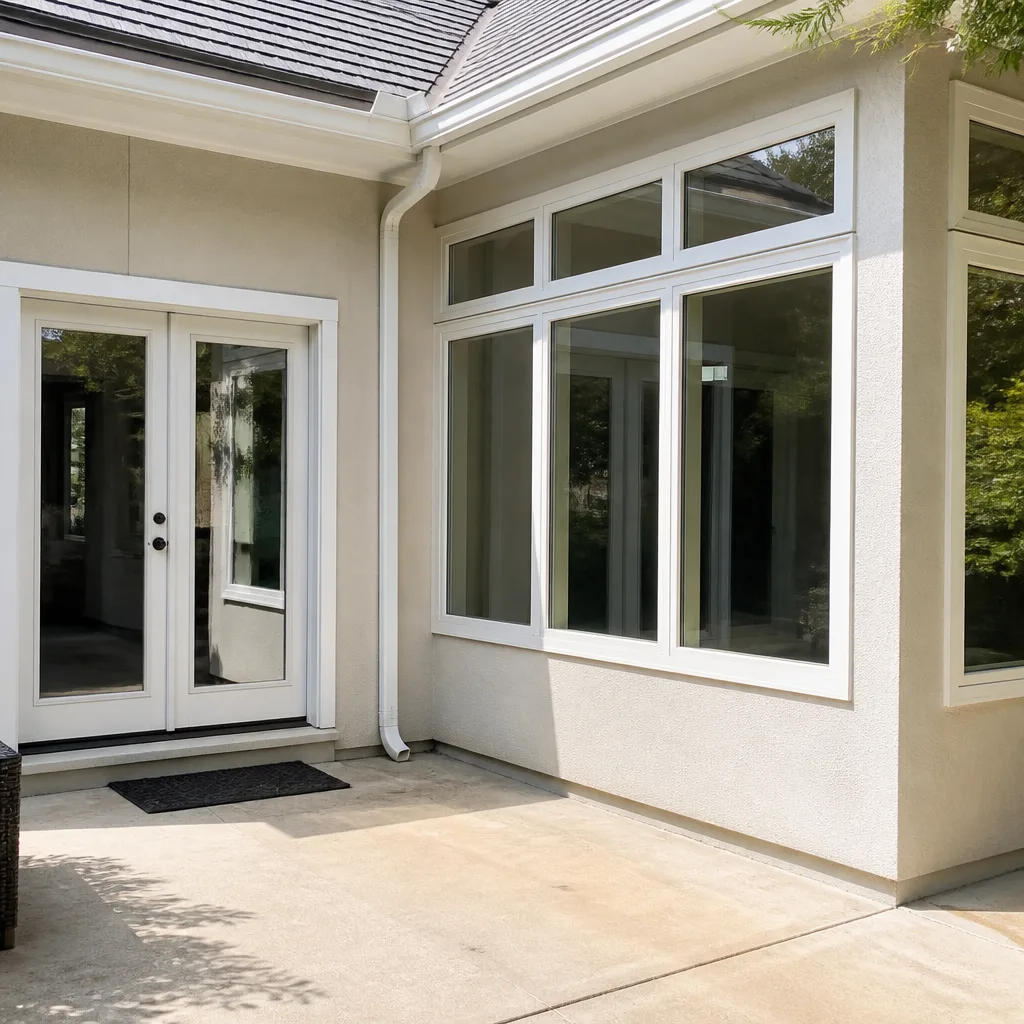 After
AfterHow Much Does Water Damage Restoration Cost in Austin?
Water Damage Restoration services in Austin typically cost between $1,200 and $5,800 for a standard single-room incident, with most homeowners paying around $2,900. That figure covers water extraction, drying, and basic repairs. Large-scale damage from a burst pipe or major flood can push costs to $12,000 or more, especially when drywall, flooring, and cabinetry need replacement.
These are real numbers for the Austin market in 2026, not national averages. We’ll break down exactly where your money goes, what drives the price up or down, and how to avoid paying more than you should. If you’re dealing with standing water right now, call (361) 326-2081. A live person answers 24 hours a day, every day, and we’ll give you a written price before any work starts.
Key Takeaways
- Most Austin homeowners pay $1,200 to $5,800 for single-room water damage restoration, with a market midpoint around $2,900.
- Water extraction alone runs $350 to $1,100 in the Austin area, depending on the volume of standing water and how far it has spread.
- Class 3 damage (saturated walls, flooring, and ceilings) in a 300-square-foot room typically costs $3,500 to $6,500 in Austin.
- Restoration insurance claims in Travis County conditions often involve slab leaks and HVAC condensate failures, which can carry different price tags than appliance overflows.
- Dryden Restoration Austin provides a written price before work begins, and every job is backed by a written 365-Day Done Right Promise.
Water Damage Restoration Cost Breakdown (2026)
Here is what we charge in the Austin market as of early 2026. These are honest line-item ranges based on more than 20 years of restoration work in Central Texas through the Kingswell family of independently owned restoration businesses. The exact number for your job depends on the square footage, the water category, and how long the water has been sitting, but this table gives you a concrete starting point.
| Service | Austin Market Price Range | Notes |
|---|---|---|
| Water extraction (standing water removal) | $350 – $1,100 | First 300 sq ft; add $1.50 – $3.00 per additional sq ft |
| Structural drying (equipment + monitoring) | $500 – $1,400 per room | 3 – 5 day process using Dri-Eaz, Phoenix, XPOWER, B-Air, and Injectidry systems |
| Dehumidification and RH control | $250 – $600 | Per unit per day; includes psychrometric monitoring |
| Drywall removal and replacement | $2.75 – $4.50 per sq ft | Average single wall in an Austin living room: 180 – 240 sq ft |
| Flooring removal (carpet, pad, or laminate) | $2.00 – $4.00 per sq ft | Includes disposal; tile demolition runs higher |
| Baseboard removal and replacement | $1.50 – $3.00 per linear ft | Most Austin homes have 2.25 – 3.25 inch colonial profile |
| Antimicrobial and sanitizing treatment | $200 – $500 | EPA-registered products applied after drying |
| Mold remediation (if required) | $1,500 – $5,000 | Containment area; Austin’s clay-heavy soil retains moisture, so mold risk is higher here than in drier Texas markets |
| Content pack-out and storage | $400 – $1,200 | When furnishings must be moved off-site |
Two things drive your final number more than anything else: how far the water traveled and how long it sat before extraction began. A toilet overflow in a second-floor bathroom of a Mueller townhome that is discovered within the hour is a different job than a water heater burst in a Circle C ranch house that goes unnoticed over a weekend. The second job is always more expensive, and that is not a contractor markup. Water that sits wicks into drywall, travels along subfloor seams, and penetrates through Austin’s slab-on-grade foundations differently than it does in homes with basements, which is something national-cost articles miss entirely.
Our estimate includes a full walkthrough with moisture meters and infrared thermal imaging. We explain the reading in plain English before any number appears in front of you. That is one of the Kingswell Way values we operate by: say the price before the work. Not after the equipment is already running.
What Affects Water Damage Restoration Pricing in Austin
Austin is not like Dallas or Houston when it comes to water damage. Our soil, our slab foundations, our limestone, and our humidity profile all shape what it costs to dry and repair a home. Here are the factors that move your estimate.
- Water category. Clean water from a supply line is cheapest to remediate. Gray water from a dishwasher or washer overflow costs more because we have to sanitize affected surfaces. Black water, which includes sewage or floodwater from Lake Austin or Shoal Creek overflow, requires containment, PPE, and specialized disposal. A Category 3 job can run two to three times the price of clean-water extraction. There is no shortcut on black water in Austin, and any contractor who treats it like a standard extraction is putting your family at risk.
- Water class. Class 1 is minimal, usually affecting less than 5 percent of a room. Class 2 is a full room with saturated carpet and drywall wicking. Class 3 means water came from above, saturating ceilings, walls, insulation, and flooring. Most Austin slab-foundation homes experience Class 2 damage from pipe breaks and Class 3 from AC condensate pan failures in second-story closets. Class 4 is the specialty category: hardwood floors, crawlspace drying, and long-duration saturation that requires low-grain refrigerant dehumidification. Class 4 work in Austin’s Mueller and Tarrytown districts consistently runs at the top of the table above.
- Square footage and layout. A one-bathroom condo in East Austin extracts faster than a 3,400-square-foot home in Steiner Ranch. Bigger spaces require more air movers, more dehumidifiers, and more time. Open floor plans, which are common in Austin builds from 2010 onward, actually spread water faster than compartmentalized older bungalow layouts. A slab leak in an open-concept kitchen-living space in an Avery Ranch home will touch more materials than the same leak in a 1970s Crestview home with discrete rooms.
- Response time. Water damage compounds by the hour in Central Texas heat. Austin’s summer interior temperatures routinely exceed 90 degrees when AC is off, and warm, humid air accelerates microbial growth. If you catch a leak within an hour, you are often looking at extraction and drying only. If you catch it after a weekend away, you are paying for material removal and rebuild. This is exactly why our live answer policy matters: someone at Dryden answers the phone at 3 a.m. on a Sunday, because the cost difference between hour 2 and hour 20 is measured in thousands of dollars, not hundreds.
- Austin’s foundation types. Much of Austin sits on expansive clay soil, which means slab-on-grade construction. Water travels laterally under tile and sheet laminate before it becomes visible. By the time a homeowner notices buckling in a living room floor, the water may have spread 15 feet from the source. Pier-and-beam homes, common in Hyde Park and Bouldin Creek, more often show damage early in the floor system but can require subfloor drying. Each foundation style has its own cost profile.
- Age of the home and materials. Austin homes built before 1985 often have plaster walls and dimensional lumber that dry differently than modern drywall and engineered joists. Plaster wicks less but holds more moisture once saturated. Some older homes in Travis Heights and Tarrytown also have asbestos-containing surfacing materials, which adds regulated removal steps. Homes built after 2015 with OSB subflooring and engineered flooring tend to be more predictable to dry but more expensive to replace when replacement is unavoidable.
One thing that should never move your price is the contractor’s mood that day. At Dryden Restoration Austin, the number we put in writing before work begins is the number you pay when the job is done. That is the entire point of the written price commitment, and Carl Brandt, who leads the company, holds every technician to it.
How Much Does Water Damage Restoration Cost by Room in Austin?
Homeowners often ask us to price a room before we arrive. We hesitate to throw out single numbers because the condition of the framing, the type of flooring, and the category of water matter too much. But here are realistic ranges for the Austin market in 2026, based on typical room sizes and materials we see across Central Texas.
Bathroom Water Damage Cost in Austin
A standard 5-by-8 bathroom with a toilet supply line break typically costs $800 to $2,400 to restore. That figure includes extraction, drying of the floor envelope, baseboard removal, and sanitizing. If the leak originated in a second-floor bathroom and saturated the ceiling below, the job becomes a two-room project and the price moves to $2,200 to $4,800. Tiled showers with failed pan liners are their own category; we regularly see shower pan failures in Austin homes built in the 1990s, and those full-pan rebuilds run $3,500 to $7,000 with waterproofing redone to current code.
Kitchen Water Damage Cost in Austin
Kitchens are the highest-variance room because cabinetry is expensive and modern kitchen designs in Austin newer builds often include water lines to refrigerators and pot fillers, which adds failure points. A dishwasher supply line leak caught early: $900 to $2,800. A refrigerator ice maker line that drips behind the cabinet for weeks before detection: $3,000 to $8,000 once lower cabinets are removed, dried, and reinstalled, and the wall cavity behind them is treated. In a Lakeway or Westlake home with custom cabinetry, replacement of a single run of lower cabinets can add $4,000 to $12,000 to the restoration bill. We always try to dry and preserve cabinetry before recommending replacement.
Laundry Room Water Damage Cost in Austin
A washer supply line burst is one of the most common calls we get in Austin, and a typical laundry room restoration runs $1,100 to $3,200. These rooms are usually 35 to 60 square feet, which keeps extraction and drying costs down, but laundry rooms are often located adjacent to finished living spaces, and water travels fast. If the laundry room sits above a garage, the garage ceiling and garage drywall become part of the scope. Add $600 to $1,500 when that occurs.
Basement Water Damage Cost in Austin
Most Austin homes do not have basements, which is one reason the cost data you find on national websites is less useful for this market, though our Basement Water Removal team handles the exceptions. When we do encounter them in older homes near the UT campus and in Georgetown or Round Rock builds from the 1920s through the 1950s, basement work is priced like crawlspace work: $1,500 to $4,500 per space due to limited ventilation and the need for low-grain refrigerant dehumidifiers. Basement jobs in Austin are also more likely to involve Category 2 or 3 water because foundation seepage in the Hill Country carries soil bacteria.
Whole-Home Water Damage Cost in Austin
When a major supply line fails, a water heater blows, or a severe storm pushes water through the roof, the entire home can end up in the restoration scope. Whole-home jobs in Austin run $7,000 to $30,000, with the highest figures reserved for two-story homes with saturated ceilings, insulation, and flooring on both levels. These jobs require multiple drying chambers, daily psychrometric monitoring, and often a home that must stay partially occupied. Part of our planning includes mapping the affected zones so you can live safely in the untouched portions of the house while we work.
How to Save on Water Damage Restoration
There are honest ways to reduce your bill and dishonest ones. The honest methods all involve acting quickly and choosing a contractor who does not charge by the surprise.
- Shut off the water within minutes. The single largest determinant of your final bill is how long water ran. Every Austin home has a water shutoff at the meter, and most have a secondary shutoff at the house. Knowing the location of both before you have a leak can save you thousands.
- Document everything for your insurer. Photographs, video, and a written inventory of damaged materials. If you have a claim, your insurance adjuster will need this. A restoration company that provides daily drying logs, as we do with every Dryden job, gives your adjuster the documentation they expect. Austin-specific insurance policies frequently carry separate water damage deductibles, and having professional documentation helps you manage that process.
- Act before mold becomes a factor. In Austin’s humidity, mold can begin forming within 48 to 72 hours. Once mold is present, the job moves from water restoration to mold remediation, and your total cost can easily double. Early extraction keeps you in the lower ranges of the table above.
- Ask about drying-in-place. Some flooring and drywall can be dried in place with the right equipment and monitoring, avoiding demotion and rebuild costs. We use Injectidry systems for exactly this purpose. Not every job qualifies, but when it does, drying-in-place cuts $1,000 to $3,000 from a typical single-room budget.
- Get a written price before anyone starts. This sounds like common sense, but contractors in Austin still give ranges that change at the door. A written price protects you from scope additions you did not approve. Our policy at Dryden is simple: the price we write down before work begins is the price you pay. If you need help understanding an estimate from any company, including ours, call (361) 326-2081 and ask us to talk through the line items. Estimates are free.
How Water Damage Restoration Works in Austin
You should know what a legitimate restoration process looks like before you sign anything. Here is how we work at Dryden, and how any serious restoration company should work. This is the sequence we follow on every job, and you can hold any contractor to these steps.
Step-by-Step Restoration Process
- Immediate response and assessment. A live person answers the phone, asks the key questions (water source, time elapsed, affected areas), and schedules a technician. Our arrival window is specific and committed. We do not give a four-hour window and then show up late. The assessment itself uses moisture meters, infrared thermal imaging, and visual inspection to map the full extent of the water travel.
- Water source control. The source must be stopped before drying can begin. If it is a plumbing failure, we coordinate with your plumber or help you shut off the correct valve. If it is an appliance, we disconnect it. No reliable restoration company starts extraction while water is still entering the space.
- Extraction. Standing water is removed with truck-mounted or portable extraction units. This step is loud, fast, and essential. Extraction removes the bulk of the water, and the amount we pull out is measured in gallons. We track this number and report it to you and your insurer.
- Psychrometric drying setup. This is the scientific term for measuring and controlling air conditions. We place air movers, dehumidifiers, and temperature controls based on the room’s cubic footage and the materials involved. In Austin, psychrometric drying typically takes 3 to 5 days. The equipment we use includes Dri-Eaz, Phoenix, XPOWER, B-Air, and Injectidry systems, which are the same professional machines large commercial restoration operations use, not homeowner-grade fans from a box store.
- Daily monitoring and RH tracking. RH stands for relative humidity. We return daily to read moisture content in affected materials. Drying is complete when moisture content returns to pre-loss levels, not when the floors feel dry to the touch. Touch is not a measurement. We hand you a written drying log at the end, which your adjuster can use.
- Sanitizing and antimicrobial application. Once materials are dry, we apply EPA-registered antimicrobial products to prevent future microbial growth. This step matters in Austin because our warm climate accelerates mold formation in the days and weeks after a water event.
- Repair and rebuild. Damaged drywall is cut, removed, and replaced. Flooring is patched or replaced. Baseboards are reinstalled. Paint is matched. The space is returned to pre-loss condition. Every repair is covered by our written 365-Day Done Right Promise: if a covered repair fails within one year, we return and make it right at no charge.
Throughout this process, our technicians are background-checked and arrive in Dryden uni form so you know exactly who is entering your home. That is a standard that is not common in this industry, and we hold to it because letting a stranger into your house during a crisis is already difficult enough.
Austin Water Damage Pricing vs. Other Texas Markets
If you have received quotes from companies serving multiple Texas regions, you may wonder whether Austin prices differ from Dallas, Houston, or San Antonio.
- Austin vs. Dallas. Austin restoration pricing runs roughly 10 to 18 percent higher than Dallas for equivalent jobs. The main driver is labor cost. Austin’s construction and restoration labor market is tighter, and that cost is reflected in honest estimates. Material prices are similar, but Dallas homes are more commonly pier-and-beam, which changes the drying approach and cost profile.
- Austin vs. Houston. Houston restoration is often cheaper on a per-square-foot basis, but Houston’s humidity profile means longer drying times and more aggressive mold concerns. Austin’s Hill Country air is drier than Houston’s, especially west of Mopac, so drying equipment can be removed sooner. That said, Austin’s clay soil and slab foundations create their own complexity.
- Austin vs. San Antonio. San Antonio pricing is close to Austin pricing, typically within 5 percent. The difference is mostly about home age and style. San Antonio has more older pier-and-beam stock, and Austin has more newer slab construction. Watch out for companies that advertise one flat statewide rate; legitimate restoration pricing accounts for local conditions, and a statewide flat rate usually means someone is hiding cost in the fine print.
- North Austin vs. South Austin. Within the Austin metro, there is no meaningful price difference from one neighborhood to the next. We serve all of Travis County and the surrounding communities at the same pricing structure. What changes based on location is travel time to your door, which we account for in our arrival-window commitment, not in price.
If you are comparing quotes from a national franchise restoration company against a local independent, look closely at the line items. National franchises in Austin often quote appliance-level equipment rates but send homeowner-grade fans. Local companies like ours are more likely to use the equipment and standards we name openly on the estimate. You should be able to read an estimate and know exactly what machine is going into each room and what standard governs the work. We follow IICRC, RIA, and IFA standards, and we are happy to show you what those standards require.
Does Homeowners Insurance Cover Water Damage Restoration in Austin?
The answer is usually yes, with important limits. Most Texas homeowners policies cover sudden and accidental water damage from plumbing failures, appliance malfunctions, and storm-driven water intrusion. What they rarely cover is gradual damage, meaning a slow leak that has been happening for weeks or months. If your Austin home has a shower pan leak that has been seeping for a year, your insurer may deny the claim on the grounds that the damage was preventable.
Flooding is a separate matter. Standard homeowners insurance does not cover rising water. Austin sits in a region where flash flooding along Shoal Creek, Onion Creek, and Walnut Creek can push water into homes, but that requires flood insurance through the National Flood Insurance Program or a private provider. If your home flooded because a creek overflowed, you need flood coverage, not a standard water damage claim.
When we restore a home after water damage in Austin, we provide documentation that works with your adjuster: daily drying logs, moisture readings, photographs from before, during, and after, and clear scope-of-work reports. We do not negotiate with your insurer for you; that is not our role. But we give you paperwork that makes the process smoother.
Deductibles in Austin typically run $1,000 to $5,000, and some policies carry a separate water damage deductible of 1 to 5 percent of dwelling coverage. If your hypothetical home is insured for $400,000 and your water damage deductible is 2 percent, you are paying $8,000 out of pocket before coverage begins. That detail matters when you are deciding whether to file a claim or pay for the restoration yourself. Ask your agent directly about water damage deductibles before an event happens. In our experience, most Austin homeowners do not know the size of their water damage deductible until they have water in the house, and that is a hard way to learn.
FAQs – Water Damage Restoration Cost
Is it cheaper to repair or replace water-damaged flooring?
Drying and repairing existing flooring costs $2 to $4 per square foot in Austin, while full replacement runs $6 to $14 per square foot depending on material. Engineered hardwood and tile can often be dried in place. Carpet and pad usually cannot be saved once saturated with Category 2 or 3 water. The decision comes down to material, water category, and moisture readings, and the honest answer is not always “replace.” At Dryden, we always try to dry first. Call (361) 326-2081 for an exact assessment, and we’ll tell you if your flooring is salvageable before anyone touches a tool.
How much does a slab leak cost to repair in Austin?
Slab leak repair in Austin, including leak detection, plumbing repair, and water damage restoration, typically totals $3,500 to $9,000. Detection alone runs $300 to $700, and the plumbing repair itself is $1,000 to $3,500 depending on whether the line is re-routed or the slab is opened. The restoration portion is $2,000 to $5,500 when water has saturated hardwood, tile, or drywall. Austin’s expansive clay soil means slab leaks are more common here than in most US markets. We coordinate with the plumber so restoration begins as soon as the water source is repaired.
How long does water damage restoration take in Austin?
Most single-room restoration jobs in Austin take 3 to 7 days from start to completion, with drying typically complete in 3 to 5 days and repair work taking another 1 to 2 days after that. Large multi-room jobs can run 2 to 4 weeks. Austin’s climate affects timelines: summer jobs sometimes dry faster due to lower indoor humidity when AC is running, while spring jobs during the May rain season can take longer. We give you a specific timeline in writing before work begins, and we update you daily if anything changes.
Can you come today for water damage in Austin?
Yes. We respond to water damage emergencies 7 days a week in Austin, and our goal is to have a technician at your door within 2 to 4 hours of your call. A live person answers the phone 24 hours a day at (361) 326-2081, no voicemail queue, no answering service. Water damage compounds quickly in Austin’s heat, and the difference between extraction today and extraction tomorrow can be measured in thousands of dollars.
What does the 365-Day Done Right Promise cover?
The written 365-Day Done Right Promise covers any covered repair performed by Dryden Restoration Austin that fails within one full year of completion. If a repair we make does not hold, we return and correct it at no charge. This includes re-dried areas that show moisture, repaired drywall that fails, flooring that warps at the repair seam, or any other workmanship issue. The guarantee is written into every job, not verbal. If a covered repair fails inside that year, we come back. That is the entire promise, and it is the standard Carl Brandt holds every technician to.
Get a Written Price Before Any Work Begins
Water damage in an Austin home is stressful. You are dealing with damaged property, insurance questions, and the fear that the contractor you call will make it worse. We address that third fear with a simple rule: the price is in writing before a tool is touched.
When you call for Water Damage Restoration Near Me in Austin, TX, a live person answers. We give you a specific arrival window and meet it. A background-checked, uniformed technician arrives, assesses the damage, explains it in plain English, and writes the price down. Then we do the work to IICRC, RIA, and IFA standards with professional-grade equipment from Dri-Eaz, Phoenix, XPOWER, B-Air, and Injectidry. When the job is done, you get a daily drying log and a written 365-Day Done Right Promise.
If you are facing water damage right now, call (361) 326-2081. The estimate is free. The answer is honest. And the water damage restoration in Austin you need starts with one phone call.
Pricing reflects the Austin market as of 2026. Dryden Restoration Austin offers free estimates. Call (361) 326-2081 for a written quote.
Written by Carl Brandt, who leads Dryden Restoration Austin and has guided water restoration work in Central Texas since 2005.
What Our Customers Say
"Small kitchen fire left smoke damage through half the house. Dryden handled the cleanup and the smell, start to finish, and kept me updated the whole way. Felt like they actually cared."
- Kim Petersen"Honest crew. They could have told me the whole floor needed to come up. Instead they dried it properly, monitored it for a few days, and saved most of the hardwood. Checked their own work before closing it out."
- Andre Washington"Good work drying out the basement. The fans were loud and ran for days, which they warned me about. Just be ready for that. The restoration itself was done right."
- Grant Whitmore