
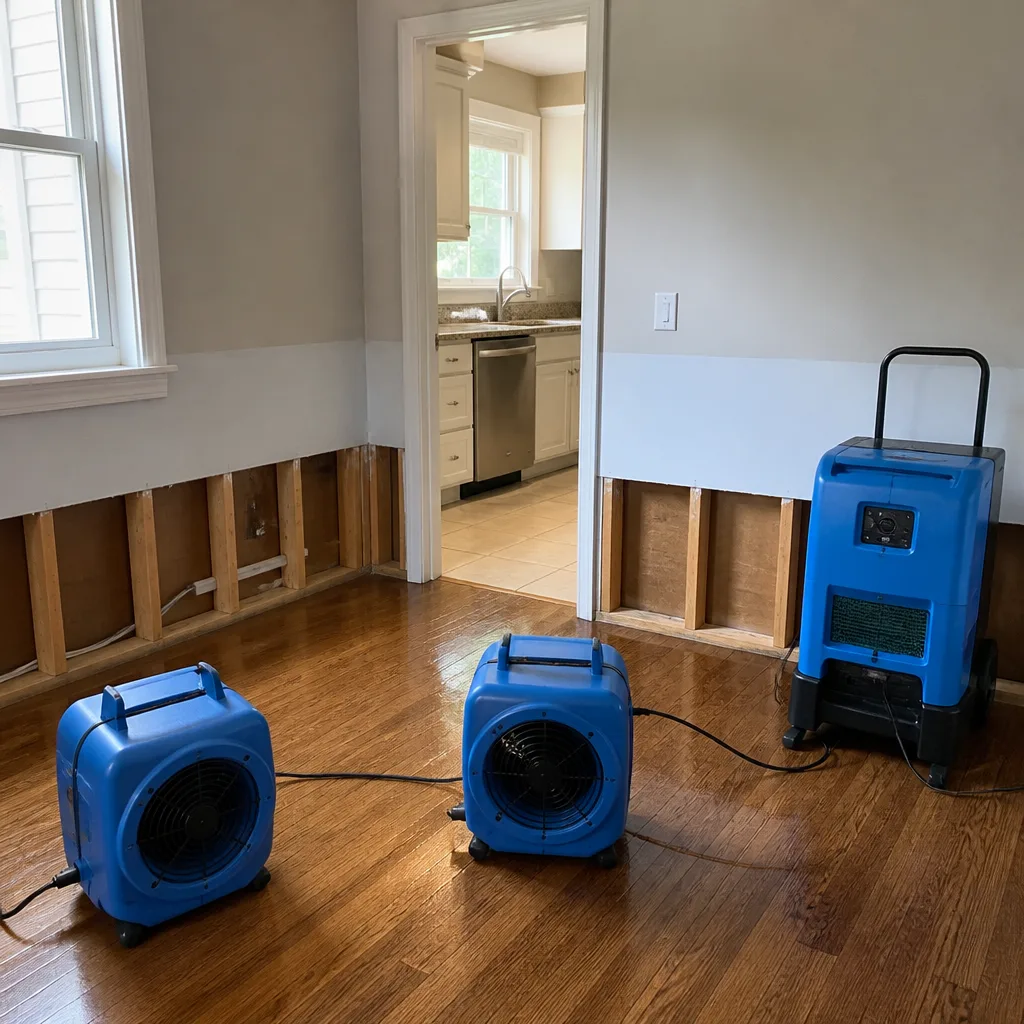
 Water damage drying
 Fire & smoke cleanup
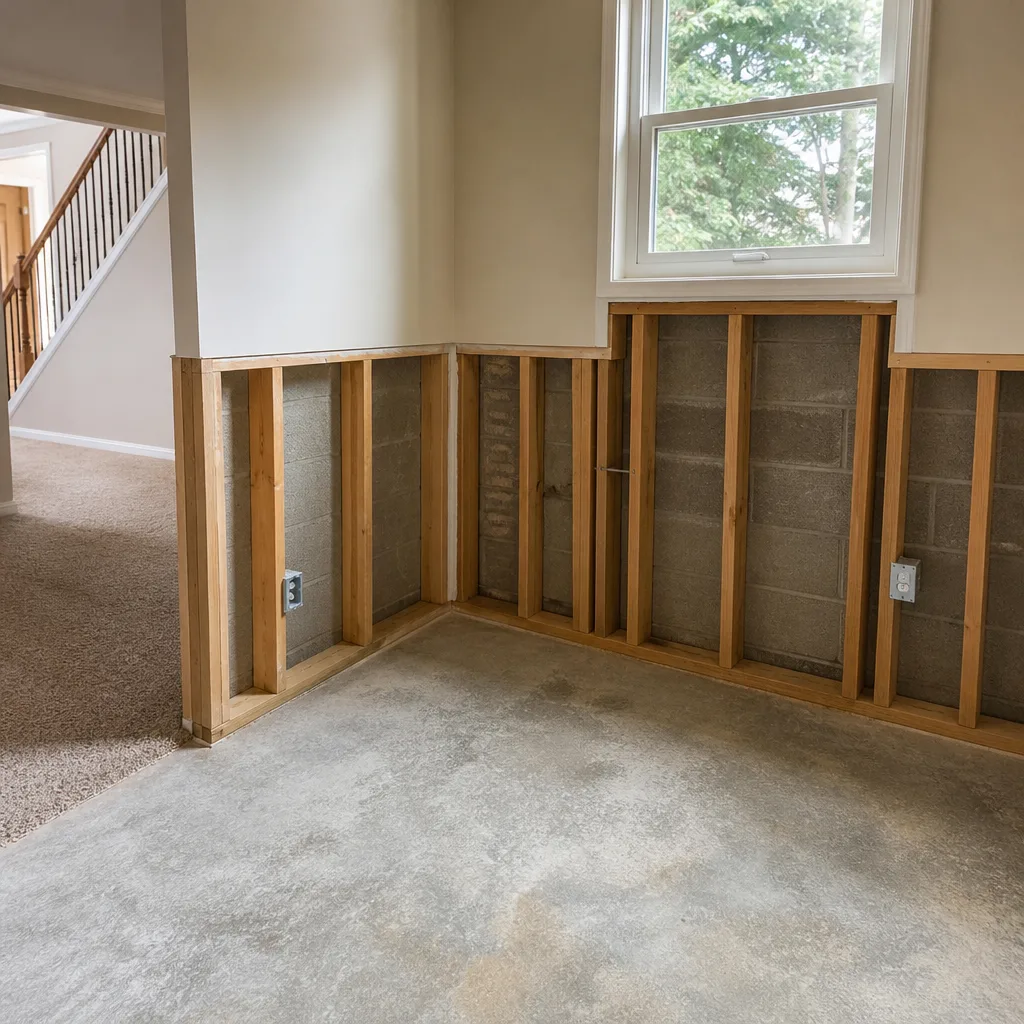 Mold remediation
 Storm response
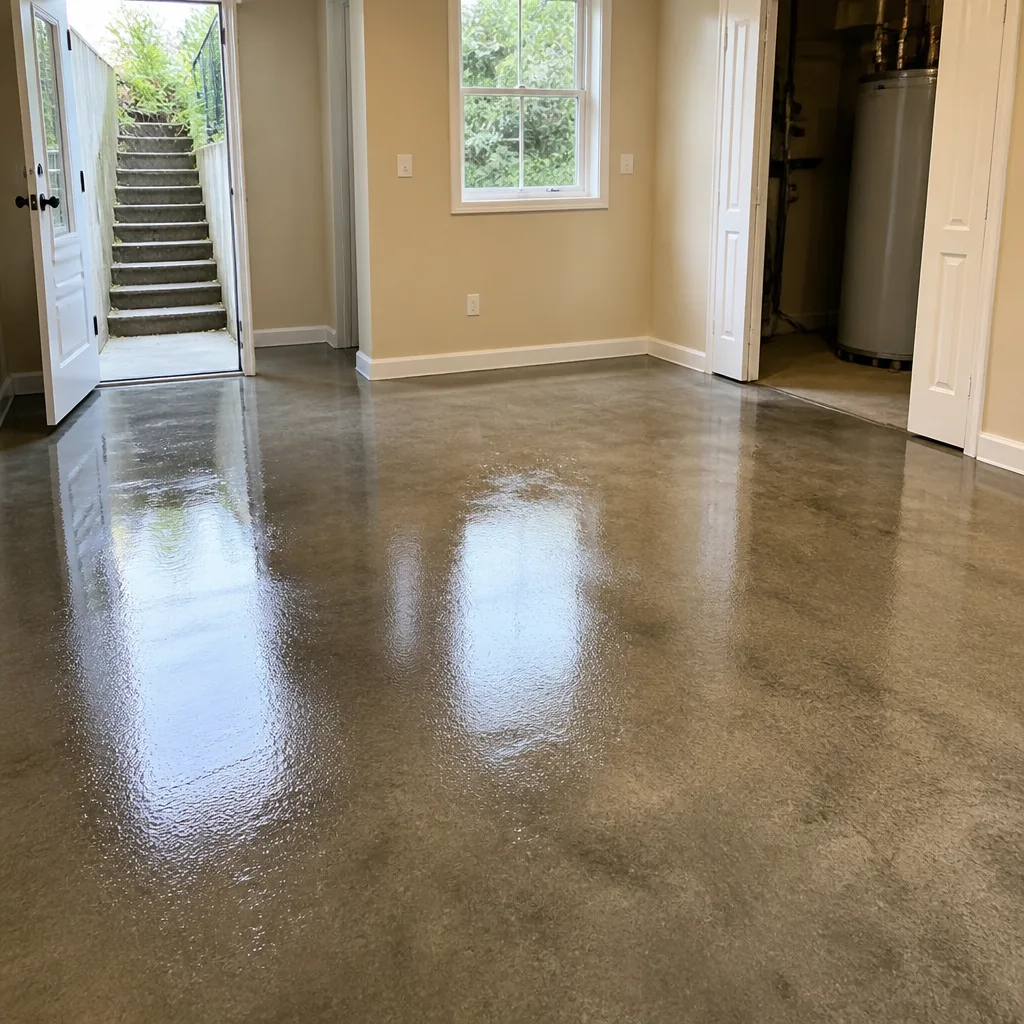 Sewage cleanup
 Reconstruction
Free visual inspection and a written scope of work before any mitigation begins - photos, moisture readings, and drying logs go in your claim file
The scope we write is the scope we bill. Anything new gets shown to you, in writing, before we touch it.
Get your free estimateRestoration work we handle
See the difference
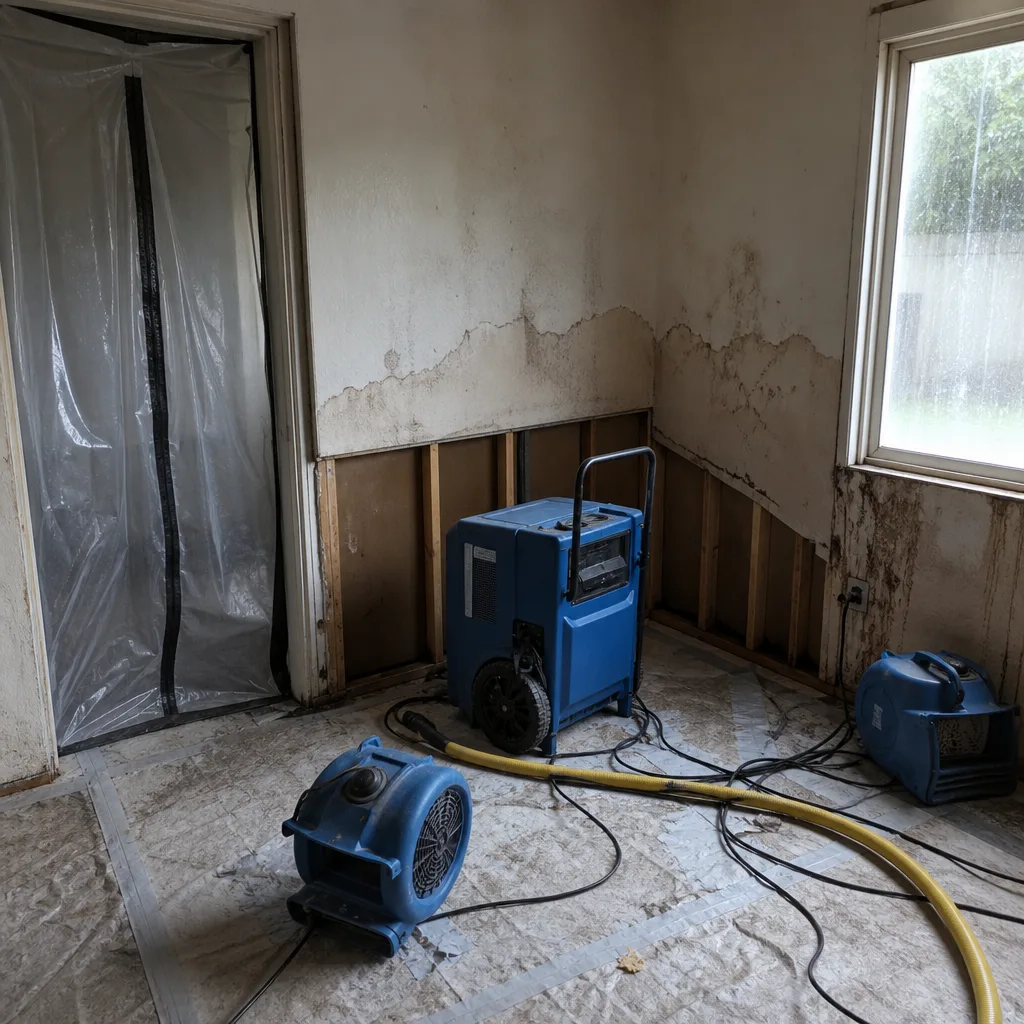 Before
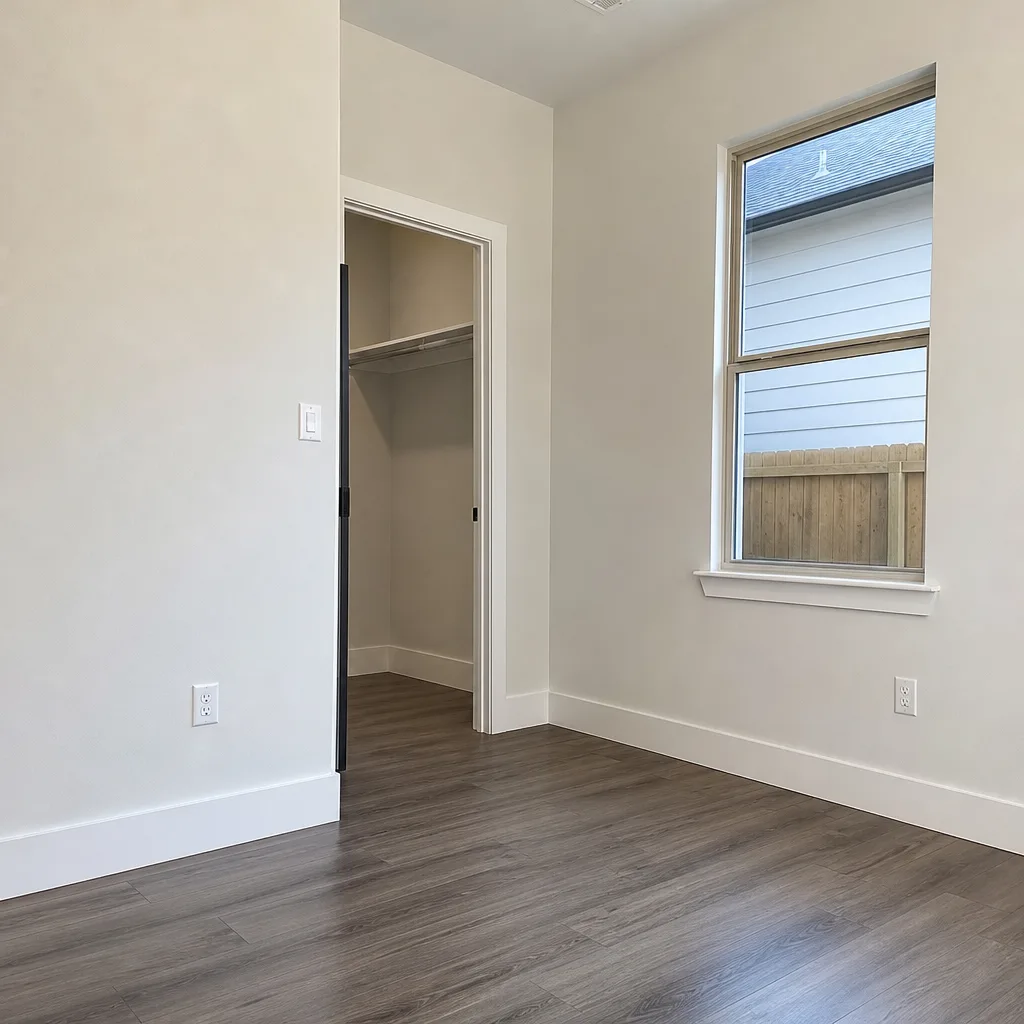 After
After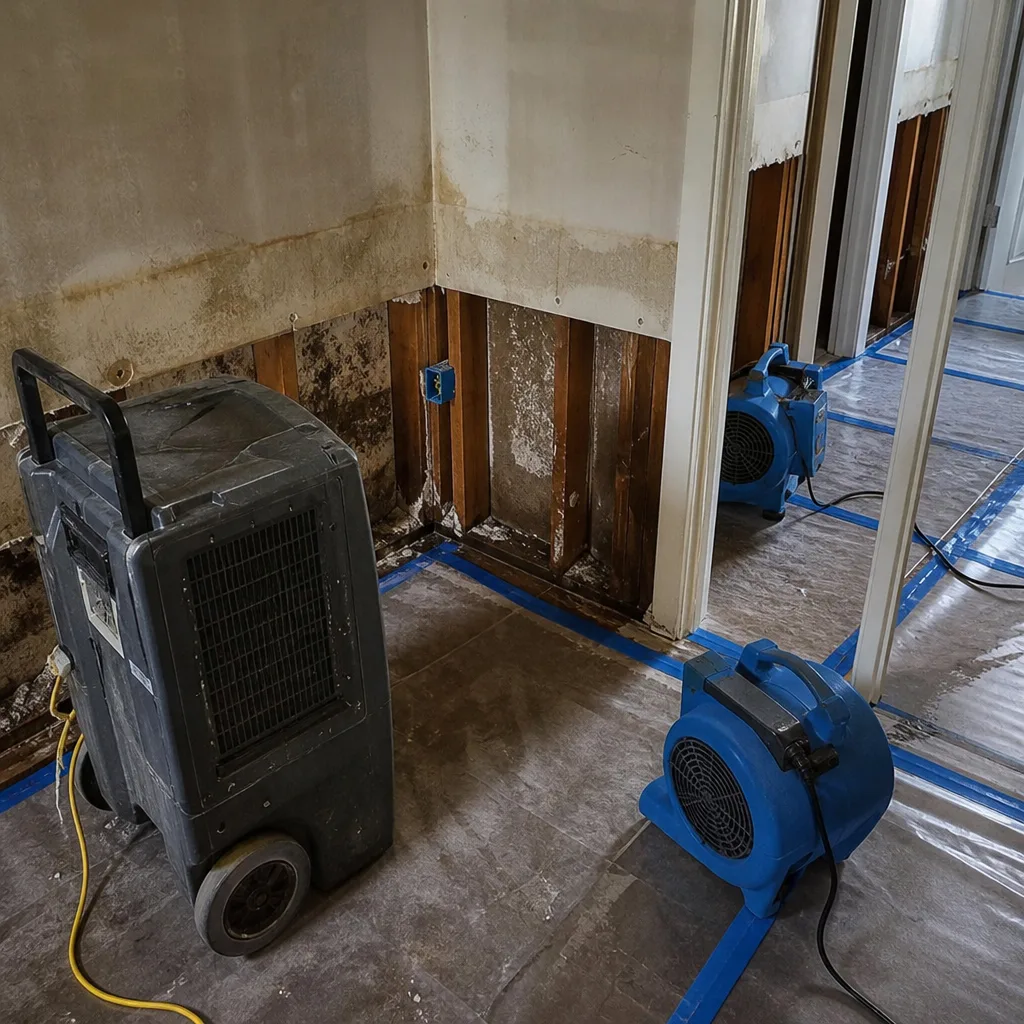 Before
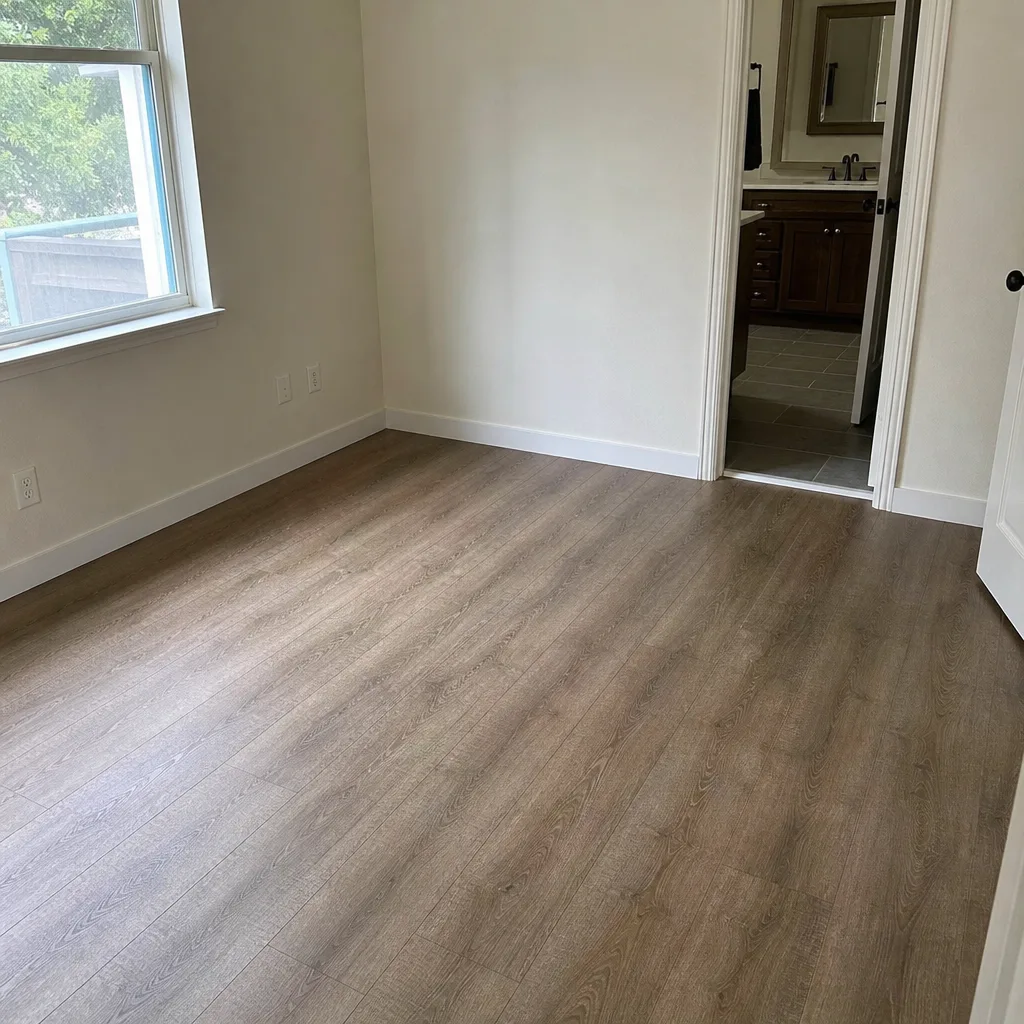 After
After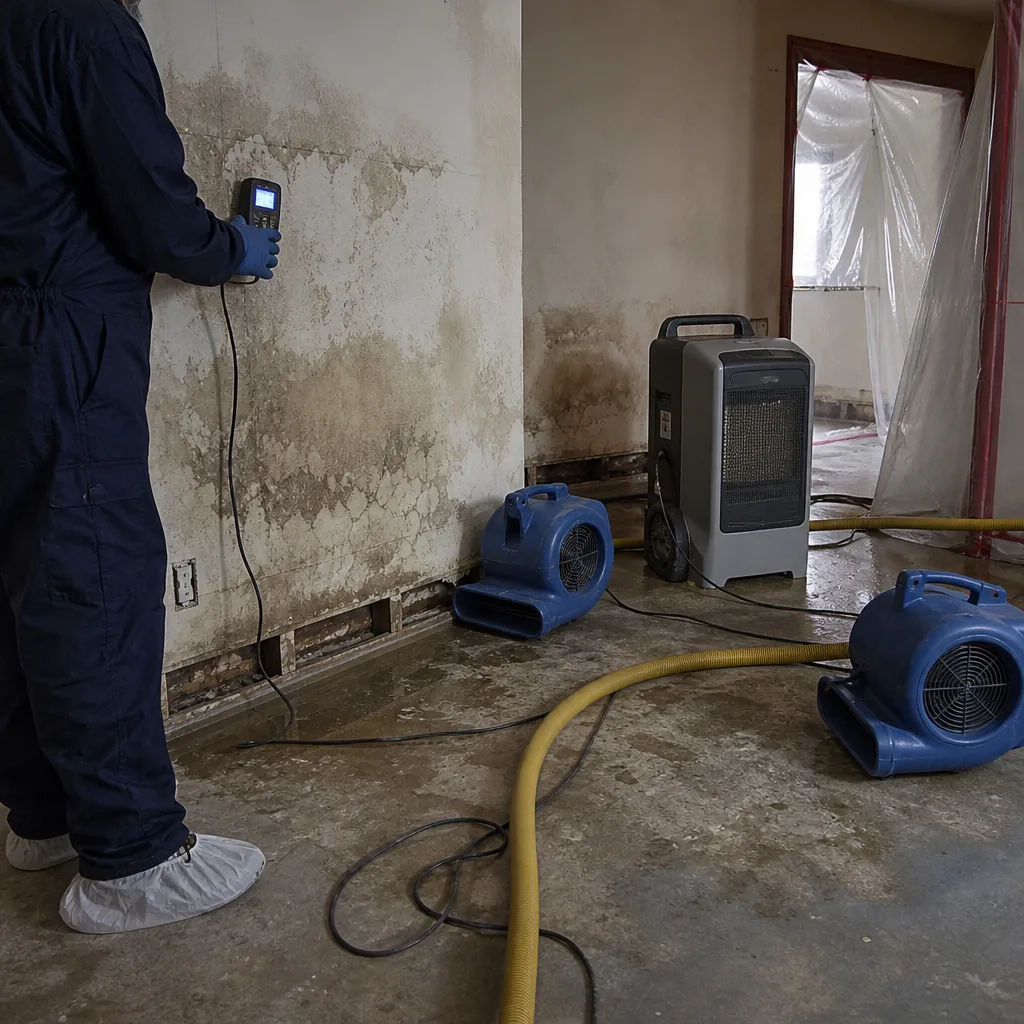 Before
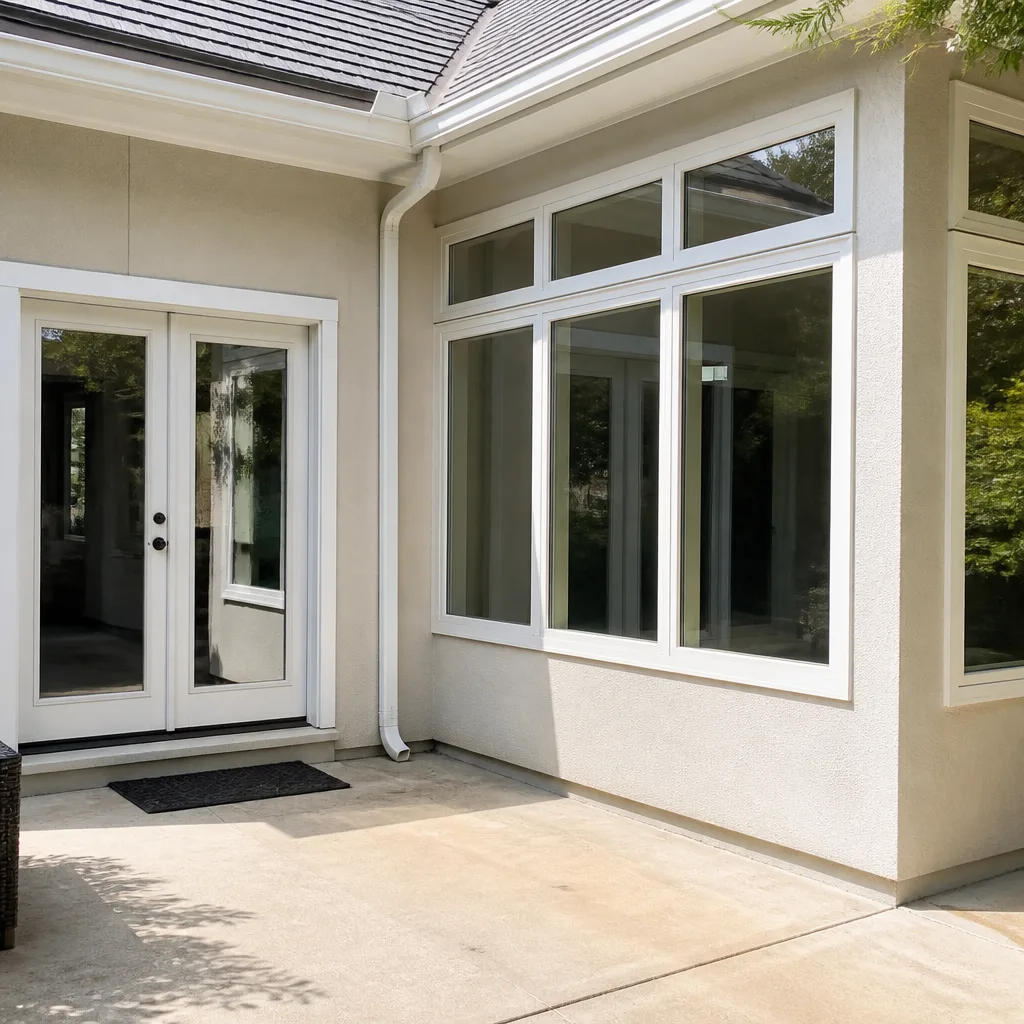 After
AfterBasement Water Removal in Austin, TX
Basement water removal in Austin typically costs between $800 and $2,500 for a standard residential pump-out and drying job, with most homeowners paying around $1,400. The final number depends on how much water is standing, how long it’s been there, and whether the basement has finished drywall or can be treated as an open space. Dryden Restoration Austin gets there fast, gives you a written price before any equipment gets unloaded, and backs the work with a 365-day written guarantee.
If you’re standing in water right now, call (361) 326-2081. A live person answers around the clock. For a deeper look at how this fits into the broader picture of water damage, including category classifications and long-term structural concerns, see our page on Water Damage Restoration in Austin.
Basement water removal is the immediate first responder work: emergency water extraction, pulling saturated materials, and setting up professional drying equipment so mold can’t get a foothold. It’s the difference between a bad weekend and a six-month remediation project. Austin’s geology makes basements less common than in the Midwest, but the ones that exist here face a specific set of challenges: dense clay soil that pushes moisture against foundation walls, flash floods from Hill Country runoff, and humid Gulf air that slows natural drying. We’ve been handling those conditions since 2005.
Key Takeaways
- Cost range: $800 – $2,500 for most Austin basement water removal jobs; you get a written price before work starts.
- Response: Live phone answer 24/7, and we schedule to a named arrival window, not a vague “sometime Thursday.”
- Equipment: Dri-Eaz and Phoenix professional drying systems, paired with moisture meters and RH (relative humidity) monitoring.
- Guarantee: 365-Day Done Right Promise, in writing, covering all water removal and structural drying work.
- Crew: Background-checked, uniformed technicians who show up in Dryden gear.
When You Need Basement Water Removal
Not every damp basement needs a full extraction crew. Here’s what tells us you’re in removal territory rather than routine humidity control:
- Standing water deeper than a quarter inch. Water you can see pooling means the foundation slab or the wall joint is actively taking on water. In Austin neighborhoods like Tarrytown and Hyde Park, where older homes have pier-and-beam foundations with partial basements, runoff from a hard rain can accumulate in under-floor spaces within hours.
- Water rising around the water heater or HVAC unit. A failed supply line or a backed-up condensate drain can quietly release gallons into a basement. If the water is touching appliances or electrical, do not wade in. Kill power at the breaker first if you can reach it safely, then call us. High-voltage contact through water is a real risk, and a trained professional should handle extraction around appliances.
- Carpet or drywall that’s been wet for more than 24 hours. Once gypsum board stays saturated past a day, it begins to lose structural integrity and becomes an ideal substrate for mold. In Austin’s warm climate, that clock runs faster than in drier regions.
- A sewage smell or visible sewage backup. This changes the job category completely. Water contaminated with waste, called Category 3 in restoration terms, requires containment, disinfection, and proper disposal of some materials. We handle this, but it’s a different process than clean-water extraction.
- Efflorescence or water staining that’s suddenly spreading. That white, chalky mineral deposit on basement walls means water is moving through the concrete. When it appears quickly after a rain event, the hydrostatic pressure on the outside wall is pushing water through. That’s the Austin clay soil doing what it does.
- Warped baseboards or buckling laminate in the basement. Finishes don’t lie. If materials are visibly changing shape, moisture is present underneath them, not just on the surface. Removal means lifting those materials to dry the slab and the wall cavity properly.
Our Basement Water Removal Process
Here’s exactly what happens when we respond to a basement water removal call in Austin, step by step, so you know what to expect before we arrive:
- Initial assessment and written price. We walk the space, identify the water source, measure the affected area with moisture meters, and then hand you a written price. That number doesn’t change at the door. No surprises, no “well, this turned out to be bigger than we thought” upsell. This is The Kingswell Way: say the price before the work.
- Source control. Before we pump anything, we stop the water at its source. That means shutting off the supply line, the water heater, or the irrigation system, or identifying the wall crack that’s letting stormwater through. Pumping water without stopping the source is just bailing with the faucet open.
- Extraction. We bring in submersible pumps for deep standing water and truck-mounted or portable extractors for thinner layers and saturated carpet. Our fleet includes Dri-Eaz and Phoenix units, the same professional-grade machines commercial restoration crews use on flooded hospitals and schools.
- Containment and material removal. If the water is contaminated or drywall and carpet are too far gone, we set up containment barriers and remove the unsalvageable materials. This step is critical for preventing cross-contamination of the rest of your home.
- Structural drying and RH monitoring. We place air movers and dehumidifiers to dry the concrete, framing, and any remaining finishes. Our technicians monitor RH, relative humidity, daily until the materials meet industry drying standards aligned with IICRC, RIA, and IFA benchmarks. We don’t declare a job done because it feels dry to the touch; we declare it done when the moisture meters say it’s done.
- Final walkthrough and written guarantee. We walk you through what was done, show you the moisture readings, and hand you the 365-Day Done Right Promise in writing. If anything we dried or repaired fails within a full year, we come back and fix it at no charge. Not a verbal promise. A document.
Basement Water Removal Pricing in Austin
Let’s talk real numbers. You deserve a price range before you decide who to call, not a mystery quote that lands after someone has spent an hour in your basement. Here’s what basement water removal typically costs in Austin:
| Service | Typical Cost Range |
|---|---|
| Standing water extraction (up to 2 inches, open basement) | $800 – $1,200 |
| Extraction plus carpet removal and slab drying | $1,200 – $1,800 |
| Full basement water removal with drywall tear-out | $1,800 – $2,500 |
| Sewage-contaminated water removal and disinfection | $2,500 – $4,500 |
| Perimeter drain or sump pump installation (if needed) | $2,000 – $5,000 |
Several factors move the price within these ranges. The size of the affected area matters, but so does what’s in it. A 400-square-foot unfinished basement with open concrete is the cheapest to dry. The same square footage with drywall, carpet, and a finished bathroom is a different job entirely. Category of water matters too: clean supply-line water costs less to remediate than Category 3 sewage, which requires disinfection and material disposal. Austin’s clay soil means exterior drainage correction sometimes becomes part of the conversation, but we’ll tell you if that’s needed and give you a separate written price for it before we touch anything.
Every estimate is free. Call (361) 326-2081 and we’ll give you a written quote on site, before a tool is touched.
Why Basement Water Can’t Wait in Austin’s Climate
Austin’s combination of heat and humidity accelerates what would be a minor damp problem in Phoenix or Denver. The average high from June through September sits above 90 degrees, and dew points regularly climb into the 70s. That means moisture in a basement doesn’t naturally evaporate the way it might in a dry climate. It lingers. And lingering moisture is an invitation.
Mold spores are everywhere, indoors and out. They don’t need much: a porous surface, organic material like drywall paper or carpet fibers, and sustained moisture above 60% RH. A wet basement in Austin can show visible mold growth in as few as 48 to 72 hours. By the time you see it on the surface, you’re usually looking at a colony that’s been feeding on the back side of that material for days. That’s why we don’t treat basement water removal as a one-day pump-and-run job. The drying phase matters as much as the extraction. Our Dri-Eaz and Phoenix dehumidifiers and air movers pull moisture out of concrete, which is exactly as difficult as it sounds. Concrete looks solid, but it’s a sponge. Water travels through its capillary structure and can stay trapped for weeks if the drying plan isn’t aggressive enough.
We also reference The Kingswell Way throughout every job: show up in the window we gave you, leave the place cleaner than we found it, put the guarantee in writing, and come back if it fails. Those aren’t marketing lines. They’re the four commitments our entire process is built around.
FAQs – Basement Water Removal
How quickly can Dryden Restoration Austin respond to a basement flood?
We answer the phone live 24/7 and can typically have a technician at your Austin home within a few hours of your call, depending on your location and current demand. For active standing water, we treat the situation as an emergency and prioritize accordingly. Call (361) 326-2081 and we’ll give you a specific arrival window on the spot.
Do I need to move my furniture before the crew arrives?
If it’s safe to do so, moving lightweight items like boxes, clothing, and small furniture out of standing water helps speed things up. But don’t lift anything heavy or soaked, and never wade into water that’s in contact with electrical outlets or appliances. We’ll handle the heavy lifting, and our crew arrives with the equipment to move what’s needed. What matters most is stopping the water source if you can do so safely.
Is basement water removal covered by homeowners insurance?
It depends on the source. Most standard Austin homeowners policies cover sudden and accidental water damage, like a burst pipe or a failed water heater. Flooding from outside rising water, including storm surge and river overflow, typically requires a separate flood insurance policy. Sewer backups are also generally excluded unless you carry a specific endorsement. We’ll document the source and extent of damage thoroughly, which helps when you’re filing a claim. Call (361) 326-2081 and we’ll talk through what you’re seeing before we even arrive.
Can you dry the basement without removing the drywall?
Sometimes, but only if the drywall has been wet for less than 24 to 48 hours and moisture readings show the material is still structurally sound. We assess this on a case-by-case basis using moisture meters and thermal imaging. If the drywall is saturated or has begun to crumble, we cut and remove it so the wall cavity can dry properly. Trying to save material that’s already compromised just creates a mold problem behind your walls. We’ll show you the moisture readings and explain the reasoning before we cut anything.
What does the 365-Day Done Right Promise actually cover?
If any repair or drying work we perform fails within one year, we return and correct it at no additional cost. That means if mold appears in an area we dried, if a seal fails, or if a material we restored shows water damage again from the same source, you call us and we come back. The guarantee is provided in writing on every job. It’s not tied to fine print or limited to “reasonable” adjustments. It covers the work we did, plainly stated, for 365 days.
Call Dryden Restoration Austin for Basement Water Removal
When there’s standing water in your basement, you need a company that picks up the phone, tells you the truth about what it’ll cost, and stands behind the work in writing. That’s what we’ve done since 2005, as an independently owned and operated Kingswell company serving Austin and the surrounding communities.
We show up in Dryden uniforms, with background-checked technicians and professional-grade Dri-Eaz and Phoenix equipment ready to work. You’ll get a written price before anything starts, and a written 365-day guarantee when we finish.
Call (361) 326-2081 now for a free estimate. A live person will answer, day or night.
Written by Carl Brandt, Owner at Dryden Restoration Austin, serving Austin.