
Last updated October 16, 2026
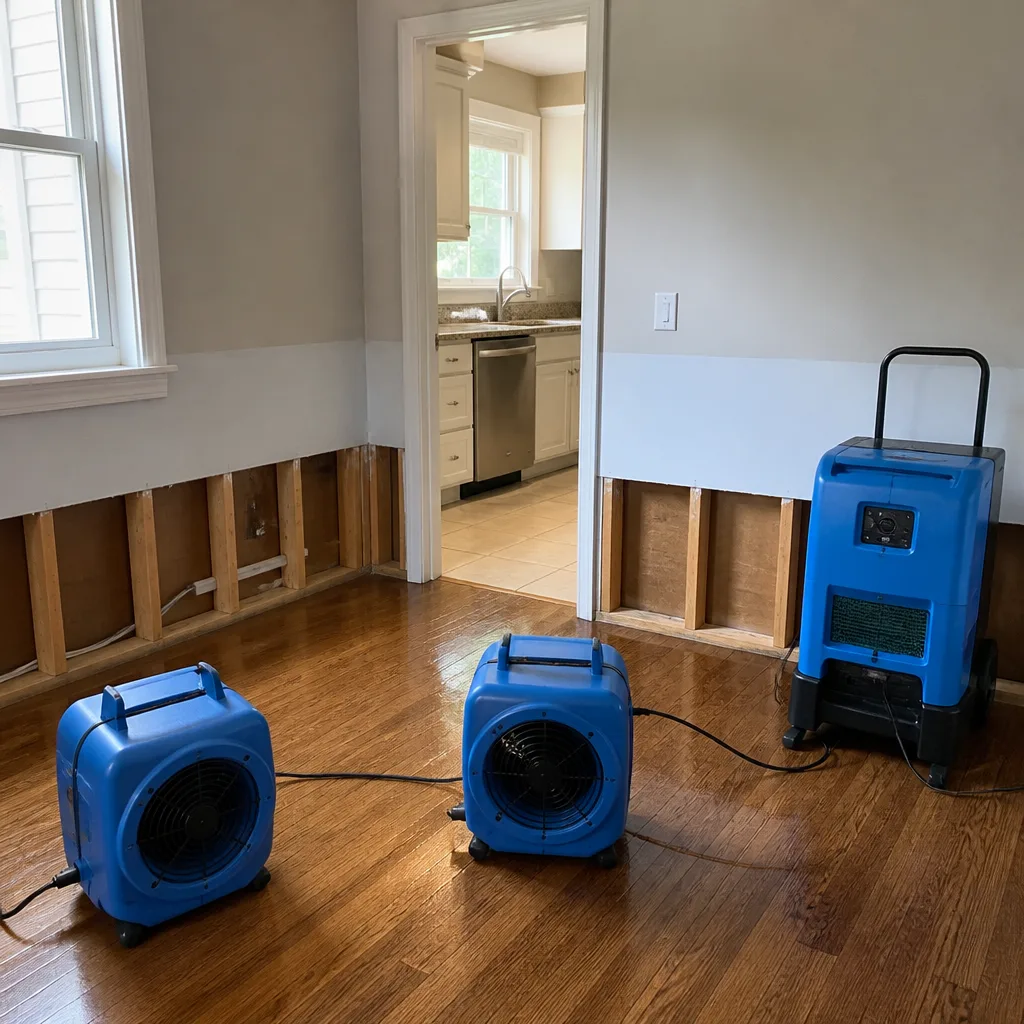 Water damage drying
 Fire & smoke cleanup
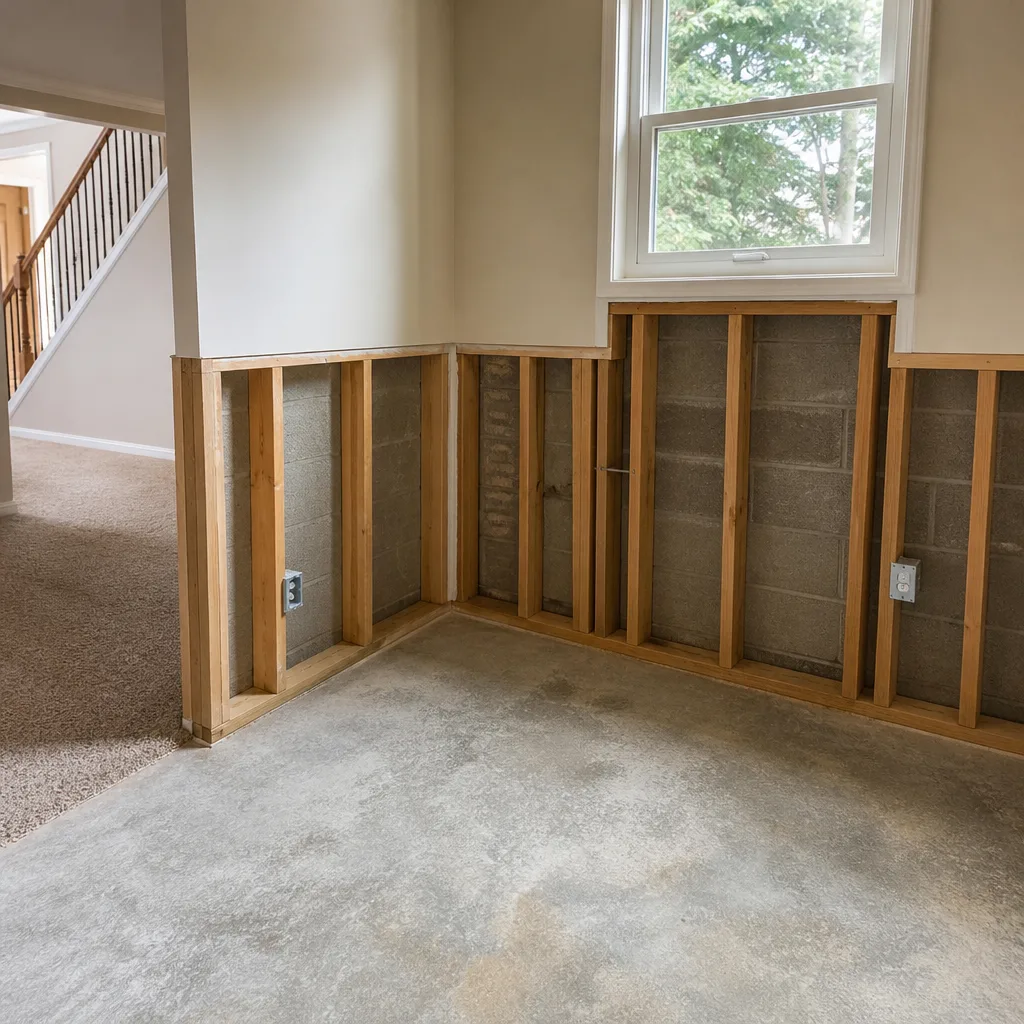 Mold remediation
 Storm response
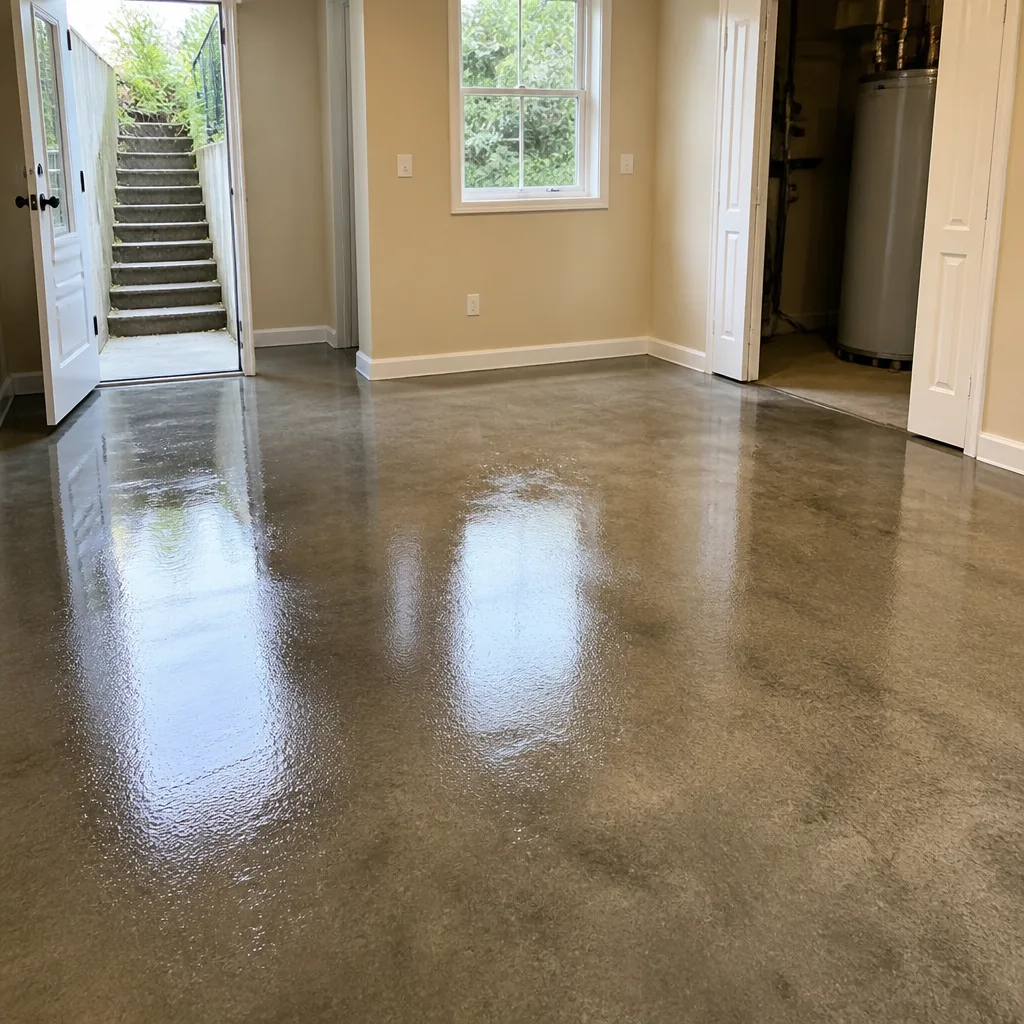 Sewage cleanup
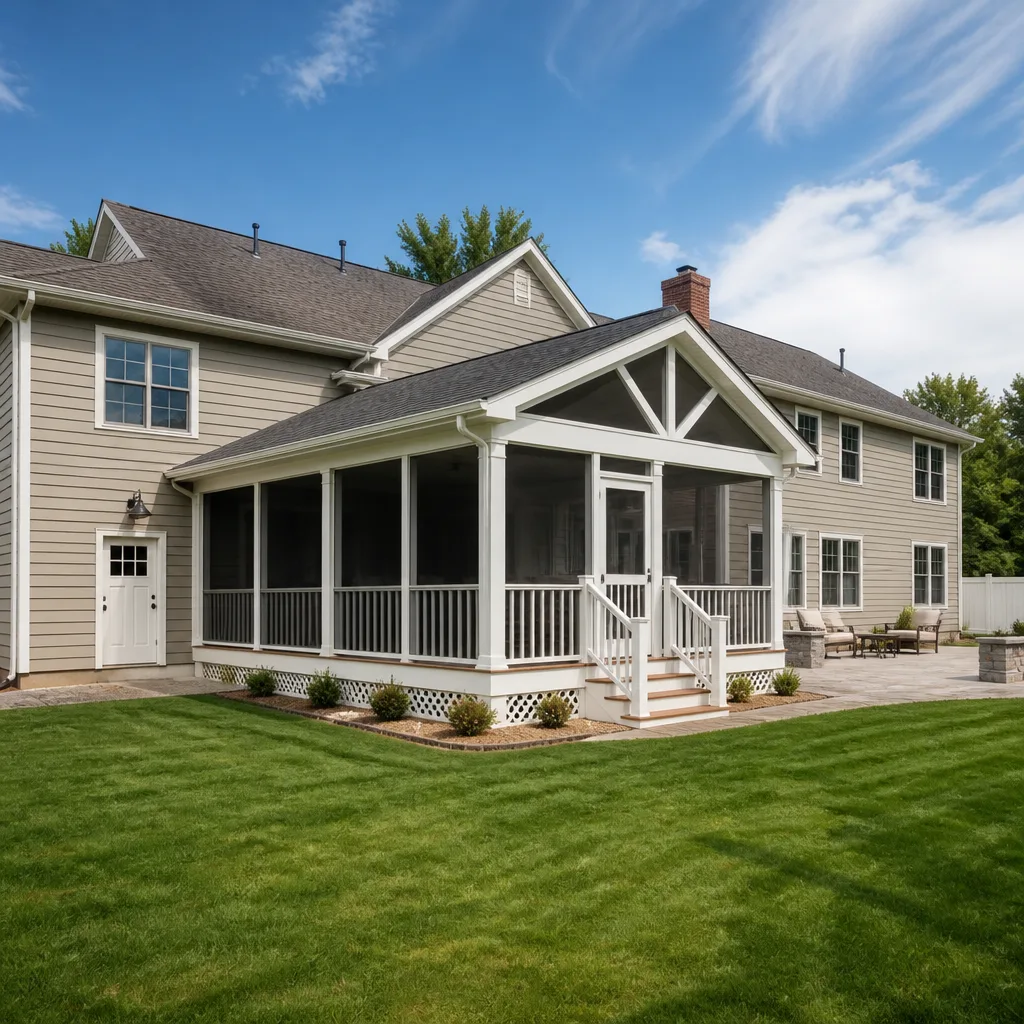 Reconstruction
Free visual inspection and a written scope of work before any mitigation begins - photos, moisture readings, and drying logs go in your claim file
The scope we write is the scope we bill. Anything new gets shown to you, in writing, before we touch it.
Get your free estimateDamage Restoration Permits, Codes & Inspections in TX: What You Need to Know
A homeowner in Pflugerville lost $11,000 in a 2023 sale negotiation when the buyer’s inspector flagged unpermitted drywall replacement from a 2021 water loss. The restoration company had told them the work “didn’t need a permit.” It did. The buyer demanded a price reduction to cover the risk, and the seller had no leverage. That story is not rare in Austin, where rapid growth, older housing stock, and a patchwork of city and county jurisdictions create real confusion about what requires a permit after water, fire, or mold damage. This guide explains exactly what needs a permit, what does not, how Austin and Travis County rules differ, and what to do if a previous contractor skipped the paperwork.
Restoration work we handle
Quick Answer
Most non-structural water, fire, and mold restoration work in Austin, TX does not require a permit, but any project that touches structural framing, replaces drywall on structural walls, alters electrical wiring or panels, swaps HVAC ductwork, or modifies plumbing supply lines does require one from the City of Austin Development Services Department. The legal responsibility sits with the property owner, not the contractor, and unpermitted work can derail a sale years later.
Table of Contents
- Who Is Legally Responsible for Permits in Texas
- What Restoration Work Requires a City of Austin Permit
- What Does NOT Require a Permit
- City of Austin vs. Travis County Permits: What Changes Outside City Limits
- Austin Energy and Austin Water Codes That Affect Restoration
- How to Look Up Permits on the Austin Development Services Portal
- What to Do If a Previous Contractor Pulled No Permits
- Common Mistakes to Avoid
- When to Call a Professional
- Frequently Asked Questions
- The Bottom Line
Who Is Legally Responsible for Permits in Texas
Here is the most important sentence on this page: under Texas law, the property owner is the party legally responsible for ensuring permits are pulled on any work done to their home. Not the contractor. Not the restoration company. You. Contractors can be cited for working without a permit, but when a sale fails or an insurance claim gets complicated, the financial consequence lands on the owner. In our experience working with homeowners across greater Austin, fewer than half realize this until something goes wrong.
This matters because restoration work happens at a moment of stress. A pipe bursts at 2 a.m., a restoration crew is in the house by morning, drywall is cut, and nobody is thinking about municipal paperwork. Two years later, the owner lists the house, the buyer’s inspector finds unpermitted work on the seller’s disclosure, and the seller is either paying for after-the-fact permits or losing money in the negotiation. The Texas Property Code requires sellers to disclose any work done without required permits, and “I didn’t know” is not a defense.
The practical takeaway: before you sign any restoration contract, ask the company directly whether the scope of work includes permitable items, and if so, who is pulling the permit. A reputable Water Damage Restoration in Austin company will have a clear answer, not a shrug.
What Restoration Work Requires a City of Austin Permit
The City of Austin Development Services Department issues permits for homes inside city limits. The trigger is not the cause of the damage; it is the type of repair. Here are the restoration tasks that require a permit in Austin:
- Structural drywall replacement. If water or fire damage requires replacing drywall on a load-bearing wall, or replacing more than a full sheet on any wall, Austin code treats this as structural work. A small patch under 32 square feet may not require a permit, but anything larger usually does.
- Electrical work disturbed by water or fire. If the restoration job requires moving, replacing, or rewiring any electrical outlet, switch, or fixture, or if water reached the breaker panel, a permit is required. Austin follows the National Electrical Code with local amendments.
- HVAC duct replacement. Fire and smoke damage often require replacing ductwork. In Austin, any duct replacement involving more than a single section typically requires a mechanical permit.
- Plumbing supply or drain line modification. If restoration work involves cutting into or rerouting water supply lines, drain lines, or vent stacks, a plumbing permit applies.
- Framing repair or replacement. If studs, joists, rafters, or beams were damaged by fire, rot, or long-term water exposure, and any part is replaced or sistered, this is structural work and requires a permit and often an inspection.
Fire damage typically triggers more permit requirements than water damage because structural members, electrical systems, and mechanical systems are more often involved. We tell every Austin homeowner the same thing: if the restoration estimate includes any of the items above, the permit conversation should happen before work begins, not after.
What Does NOT Require a Permit
Most emergency mitigation work falls outside the permitting system. Understanding this protects you from being oversold on permits you do not need.
- Water extraction and structural drying. Removing standing water, setting up air movers and dehumidifiers, and running psychrometric drying, which is the science of measuring temperature, humidity, and moisture content in materials to dry them properly, requires no permit.
- Content cleaning and pack-out. Moving, cleaning, and storing personal property damaged by water, smoke, or mold requires no permit.
- Non-structural drywall cutting. Cutting out small, non-load-bearing sections of drywall to access wall cavities for drying or inspection does not require a permit in most cases.
- Antimicrobial and mold treatment. Cleaning, sanding, and treating surfaces with EPA-registered antimicrobials as part of mold remediation is not permitable work under Austin code.
- Carpet and pad removal. Removing damaged carpet, pad, and underlayment requires no permit.
- Minor roof tarping. Temporary tarping after storm damage to prevent further water intrusion requires no permit, provided it is temporary.
The distinction is consistent across Texas jurisdictions: if the work restores the home to its pre-damage condition without altering structure, systems, or the building envelope, it generally does not need a permit. If the work alters or replaces building systems, it does.
City of Austin vs. Travis County Permits: What Changes Outside City Limits
Roughly 30% of greater Austin homeowners live in unincorporated Travis County or in smaller municipalities with their own permitting rules. If your mailing address says Austin but you are outside city limits, you may be dealing with Travis County, not the City of Austin, and the rules are not identical.
Travis County requires permits for new construction and major structural work through its Transportation and Natural Resources Department, but the county’s scope is narrower than the City of Austin’s. Homes outside city limits in Travis County generally follow adopted codes with fewer local amendments. Electrical permitting outside city limits may fall to the state, through the Texas Department of Licensing and Regulation, rather than a municipal authority.
Here is what changes:
- Structural repair thresholds differ. Travis County typically requires permits for structural alterations, including load-bearing wall modifications and major framing repairs, but small non-structural patches that Austin might scrutinize may not require county permits.
- Electrical permitting authority shifts. Inside Austin, the city performs electrical inspections. Outside city limits, you may need a state-licensed electrician who can self-certify work under TDLR rules, with no municipal inspection.
- HVAC and plumbing rules vary. Some unincorporated areas have no municipal mechanical inspection at all. Others adopt Austin’s code by reference. The homeowner must verify, because the contractor’s default assumption is often wrong.
The safe move: before any restoration work begins on a home outside Austin city limits, ask the contractor exactly which jurisdiction the address falls under and whether the scope requires a permit from Travis County, TDLR, or neither. At Dryden Restoration Austin, we verify jurisdiction as part of our written scope, so the permit question is answered before a tool is touched. For help choosing a qualified team, read our How to Hire a Damage Restoration Contractor in Austin: A Step-by-Step Guide.
Austin Energy and Austin Water Codes That Affect Restoration
Two city utilities impose requirements that restoration contractors and homeowners often miss. These are not building permits in the traditional sense, but they function like code compliance obligations.
Austin Energy rules apply whenever restoration work touches the electrical service, meter, or panel. If water reached the breaker panel, the panel must be evaluated, and in many cases replaced, before Austin Energy will re-energize the home after an outage. Austin Energy also requires that any work on the service entrance or meter base be performed by a licensed electrician and coordinated with the utility. A restoration company cannot simply “flip the breaker back on” if Austin Energy disconnected service due to damage.
Austin Water rules apply to any restoration work involving water supply lines, sewer lines, or backflow prevention. If a restoration project involves replacing a section of supply line behind a wall that was opened for drying, the work must comply with Austin Water’s plumbing code requirements, including proper materials and backflow prevention. Austin Water also requires that any work on the customer side of the meter be performed by a licensed plumber; unlicensed plumbing work on supply lines is both a code violation and an insurance problem.
One Austin-specific nuance: Austin’s plumbing code requires that any home where a backflow incident occurred, such as sewage backflow during a flood, have its backflow prevention device tested and certified before water service is considered compliant. Skipping this step can leave a home with a cross-connection risk that an inspector will flag years later.
How to Look Up Permits on the Austin Development Services Portal
Checking your property’s permit history takes about five minutes. The City of Austin maintains a public portal called the Austin Build + Connect system, formerly known as the Development Services permit database. Here is the three-step process:
- Go to the Austin Build + Connect portal. From the City of Austin Development Services Department website, navigate to the permit search feature. You do not need to create an account to search public permit records.
- Search by address. Enter your street number and street name only, no city or zip code. The system will return all permits associated with your address, including issued permits, closed permits, inspections, and code compliance cases. Open permits are listed separately from completed permits, and the system shows the date of issue, the contractor of record, and the current status.
- Review the permit history against your restoration records. Compare the permits on file with the work you know was done on the home. If you see a permit for “interior remodel – drywall” from 2021 but the project was described to you as “no permit needed,” that is a disclosure problem you can fix now, not at closing.
This same lookup is useful before buying a home in Austin. A 15-minute permit check can reveal unpermitted work that will become your problem after closing. Buyers who do this before making an offer are rare; sellers who do this before listing are rarer still.
What to Do If a Previous Contractor Pulled No Permits
If you discover that a previous restoration contractor completed permitable work without pulling permits, you have options. Our Damage Restoration Warning Signs: A Austin Homeowner’s Reference Guide can help you spot red flags early. The process is called an after-the-fact permit, and the City of Austin issues them routinely. Here is what it looks like:
- Stop and document. Take photos of the affected areas. Gather any invoices, contracts, or communications from the original contractor that show what work was performed.
- Determine the scope. Have a licensed contractor or building professional assess which elements of the work are permitable. The after-the-fact permit application needs to describe the work accurately.
- Apply for the after-the-fact permit. In Austin, after-the-fact permits are processed through the same Development Services Department as standard permits. The cost typically ranges from $150 to $600, depending on the scope of work being permitted after the fact. The fee is higher than the original permit would have been, and some jurisdictions add a penalty multiplier.
- Schedule the inspection. The city will send an inspector to verify that the work meets code. This is often the hardest step for older work, because the inspector can only see finished surfaces. In some cases, the city will accept a structural engineer’s certification in lieu of opening walls.
- Close the permit. Once the inspection passes, the permit is closed, and the work is no longer an open code issue. Keep the closed permit documentation with your home records.
For a future sale, the correct approach is disclosure. The Texas seller’s disclosure asks whether any work was done without required permits. Answer honestly. A closed after-the-fact permit is far less damaging to a sale than a discovered, undisclosed permit gap. If the original contractor is still in business, you can also ask them to pull the after-the-fact permit and pay the fee, though they are not legally obligated to do so years later unless your contract required it.
Common Mistakes to Avoid
- Assuming the contractor is handling permits. Under Texas law, permit responsibility sits with the property owner. A contractor who says “we’ll take care of it” may not follow through, and you are the one who carries the liability. Ask for the permit number before work starts.
- Treating all drywall replacement as non-structural. In Austin, the size and location of the drywall replacement determines whether a permit is required. Large sections on any wall and any section on a load-bearing wall generally require one. Assuming otherwise is how sellers end up with flagged disclosures.
- Ignoring the Austin Energy panel evaluation. If water reached your electrical panel and a restoration company dried it out and “everything works fine,” that panel may fail a future inspection. Austin Energy requires licensed evaluation after water exposure to the service equipment.
- Using a contractor’s city permit assumptions on a county property. Homes in unincorporated Travis County and smaller municipalities have different permitting rules than homes inside Austin city limits. A contractor who works primarily in city limits may assume the same rules apply. Confirm jurisdiction before work starts.
- Waiting until listing day to check permit history. A buyer’s inspector will check the Austin Build + Connect portal or hire someone who will. Finding unpermitted work during escrow gives the buyer leverage. Finding it and fixing it before listing removes that leverage.
- Accepting “this never needs a permit” without specifics. Some restoration work genuinely needs no permit. But a blanket claim without a scope-specific explanation is a red flag. A competent contractor can tell you exactly why the specific work does or does not require a permit.
When to Call a Professional
If your home has water, fire, or mold damage that involves structural drywall, electrical systems, plumbing supply lines, or ductwork, do not attempt to manage the permitting and restoration process alone. See our DIY vs Professional Damage Restoration: The Austin Homeowner’s Decision Guide to understand why. The stakes are too high. Unpermitted work can void insurance claims, complicate sales, and leave you with code violations you were not aware of. A restoration company that knows Austin’s permitting system will give you a written scope that identifies what requires a permit, what does not, and who is responsible for what, before any work begins. That written scope is the single most important document in the process. Dryden Restoration Austin offers free estimates in Austin. Call (361) 326-2081 and ask for a written price and a written scope before any work starts.
Frequently Asked Questions
Most water damage restoration in Austin does not require a permit, including water extraction, structural drying, content cleaning, and small non-structural drywall removal. A permit is required if the restoration involves replacing drywall on load-bearing walls, altering electrical wiring or the panel, replacing HVAC ductwork, or modifying plumbing lines. Call (361) 326-2081 for a written scope that clarifies what your specific job requires.
An after-the-fact permit in Austin typically costs between $150 and $600, depending on the scope of work being permitted. The fee is generally higher than the original permit would have been, and you will also need to schedule an inspection, which may require opening finished surfaces if the inspector cannot verify code compliance.
Most homeowners insurance policies cover permit costs as part of the claim when the permit is for work directly related to the covered loss. The permit cost is typically classified as a “reasonable and necessary” expense. However, if you are seeking an after-the-fact permit for work done years earlier, the insurer will generally not cover it because the original claim is closed.
This depends on the type of damage. For active water intrusion, mold growth, or smoke damage, a restoration company should respond within hours, because the damage spreads while you wait. For permit-related questions and written scopes, a live person answers every call at Dryden Restoration Austin 24 hours a day, 7 days a week, not a voicemail or call-back queue. Call (361) 326-2081.
This depends on the extent of the water or mold exposure and what materials were affected. Small areas of surface mold on non-porous surfaces can sometimes be cleaned without full remediation. Mold in wall cavities, insulation, or structural materials, or water that sat for more than 48 hours, generally requires professional evaluation and often full remediation. A written scope and moisture assessment is the only way to know.
You deal with your adjuster, but a good restoration company will document everything in a way that makes the adjuster’s job easy. That means photo documentation of all damaged materials, moisture readings, and a written scope and price. Direct insurance billing and detailed documentation can prevent the adjuster from questioning the legitimacy of the work. At Dryden Restoration Austin, we provide photo-documented assessments and direct adjuster coordination on every job where insurance is involved.
The Bottom Line
Permits are the least exciting part of damage restoration, and the most consequential when ignored. In Austin, the line between permitted and non-permitted work is specific: structural drywall, electrical alterations, duct replacement, and plumbing modifications all require permits. The property owner bears the legal responsibility. Skipping the permitting conversation does not save money; it defers risk to the day you sell the home, when a buyer’s inspector finds what the contractor said did not exist. Before any restoration work begins, get a written scope that identifies what requires a permit, what does not, and who is pulling the permit. Then verify it on the Austin Build + Connect portal. Ten minutes of checking now beats an $11,000 concession later. We have seen it happen, and we would rather you not.
If you are dealing with water, fire, or mold damage in Austin, call Dryden Restoration Austin home at (361) 326-2081 for a free estimate and a written scope before any work starts. We also provide Mold Remediation in Austin and Fire Damage Restoration in Austin. Our team works to IICRC, RIA, and IFA standards, and we use professional-grade equipment from Dri-Eaz, Phoenix, and XPOWER on every job. Every job includes a written price before we touch a tool, a named arrival window, and a 365-day written guarantee. That is the Kingswell Way: say the price before the work, show up in the window we gave, leave the place cleaner than we found it, put the guarantee in writing, and come back if it fails.
Written by Carl Brandt, Owner at Dryden Restoration Austin, serving Austin since 2005.
See the difference
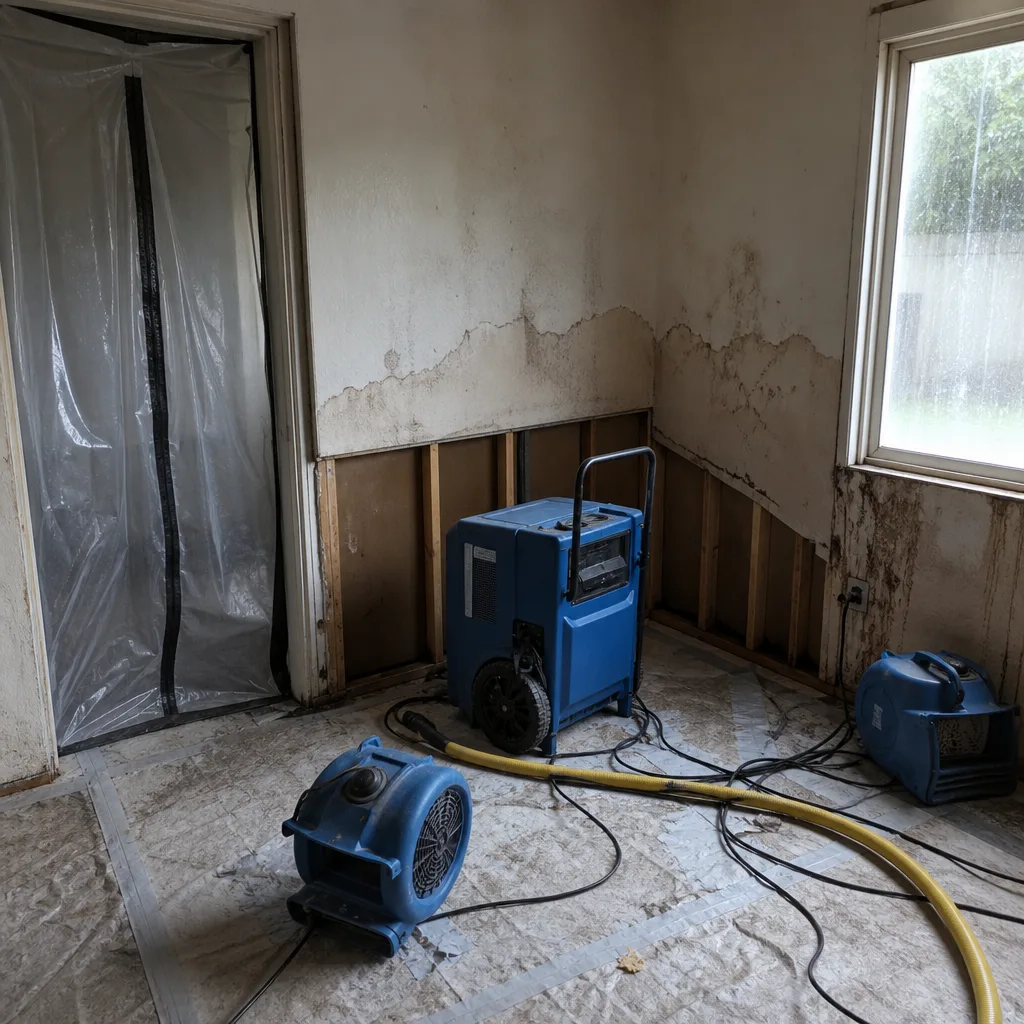 Before
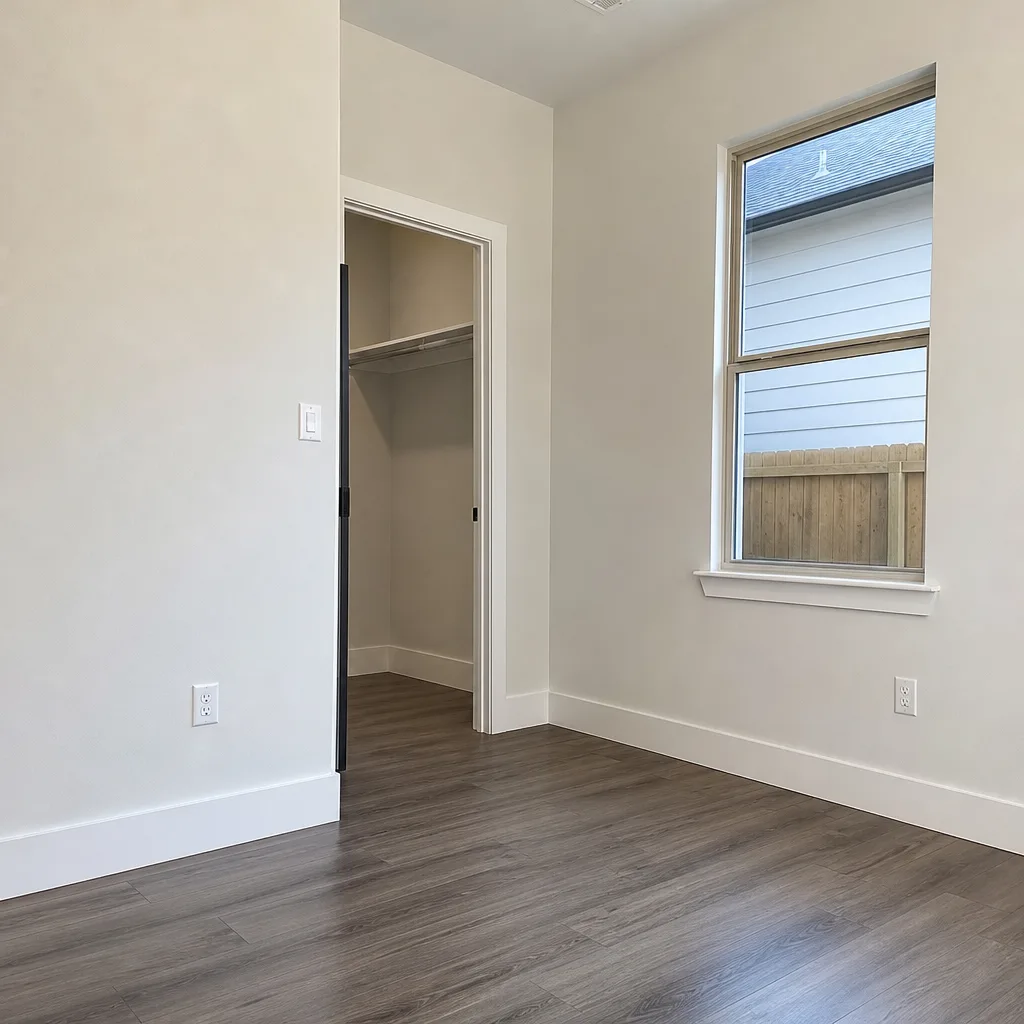 After
After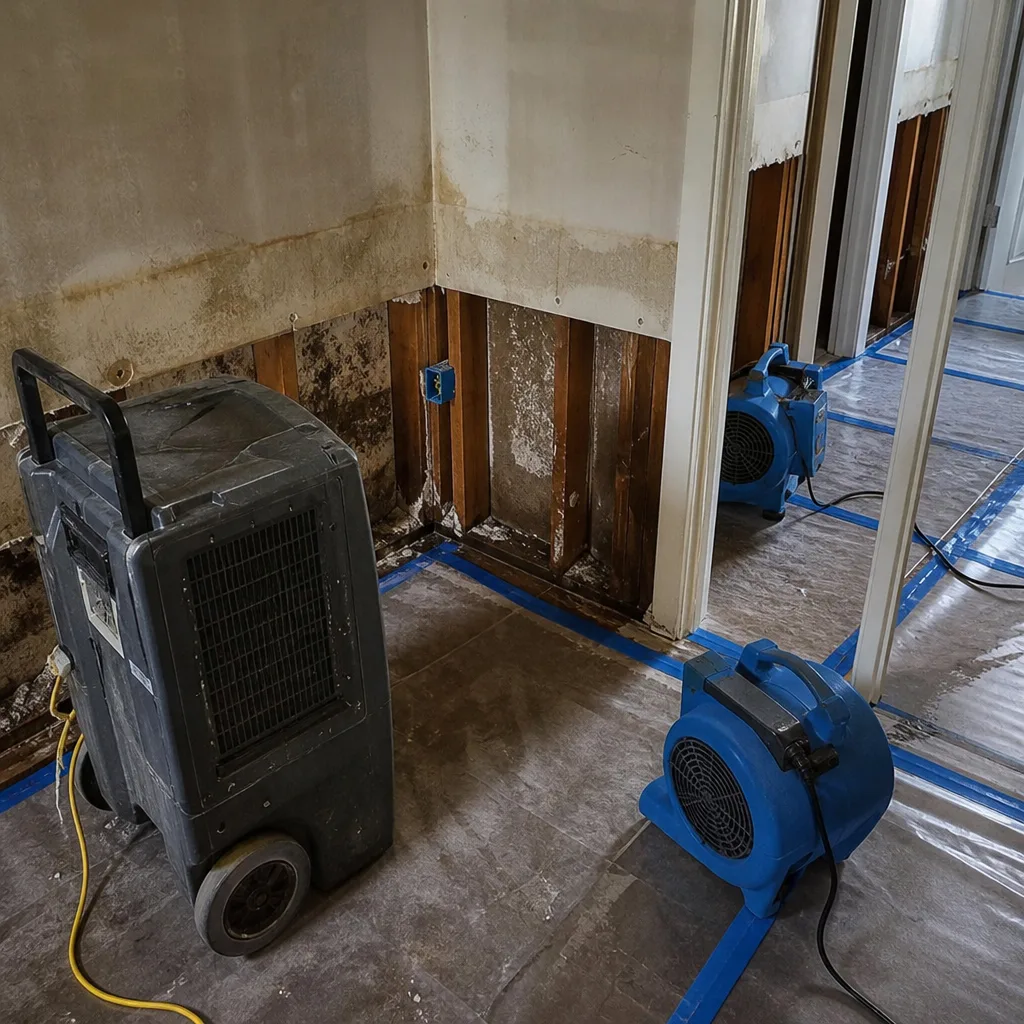 Before
 After
After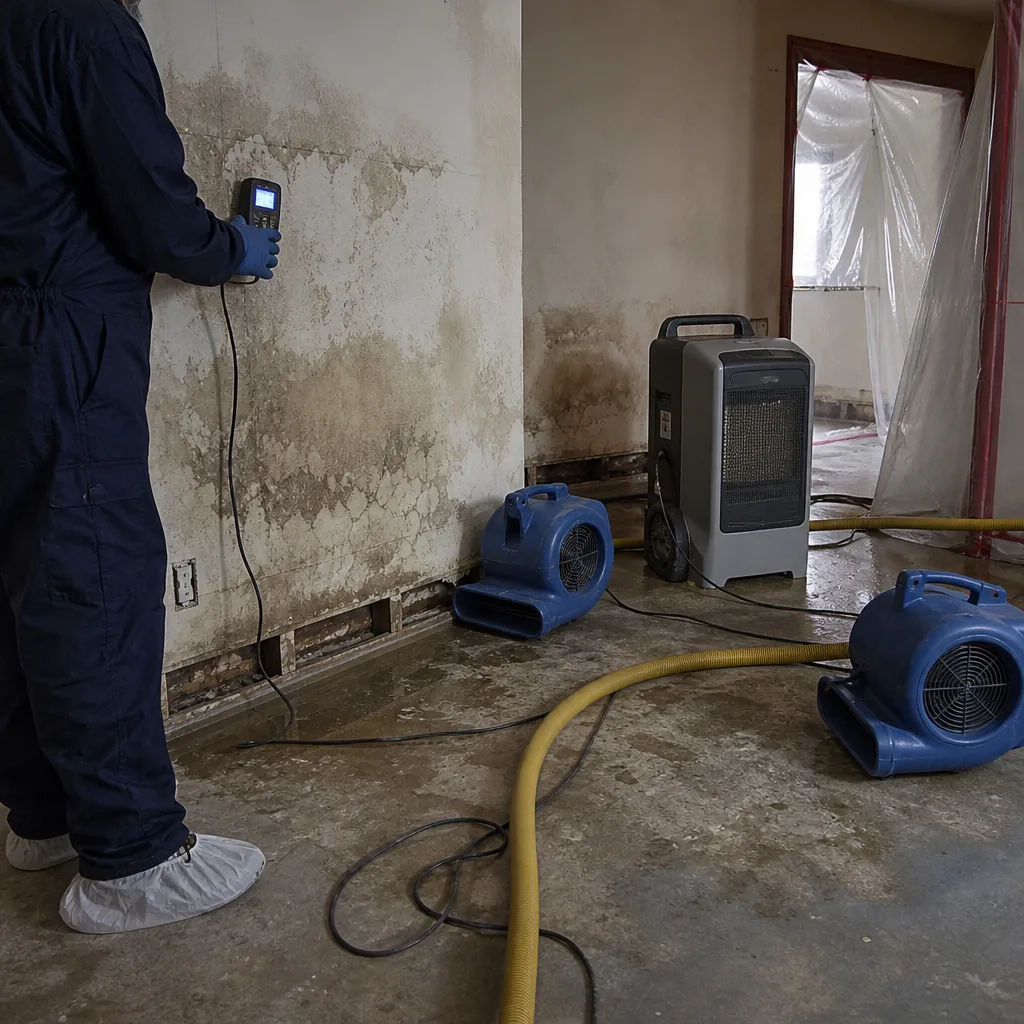 Before
 After
After