
Last updated October 16, 2026
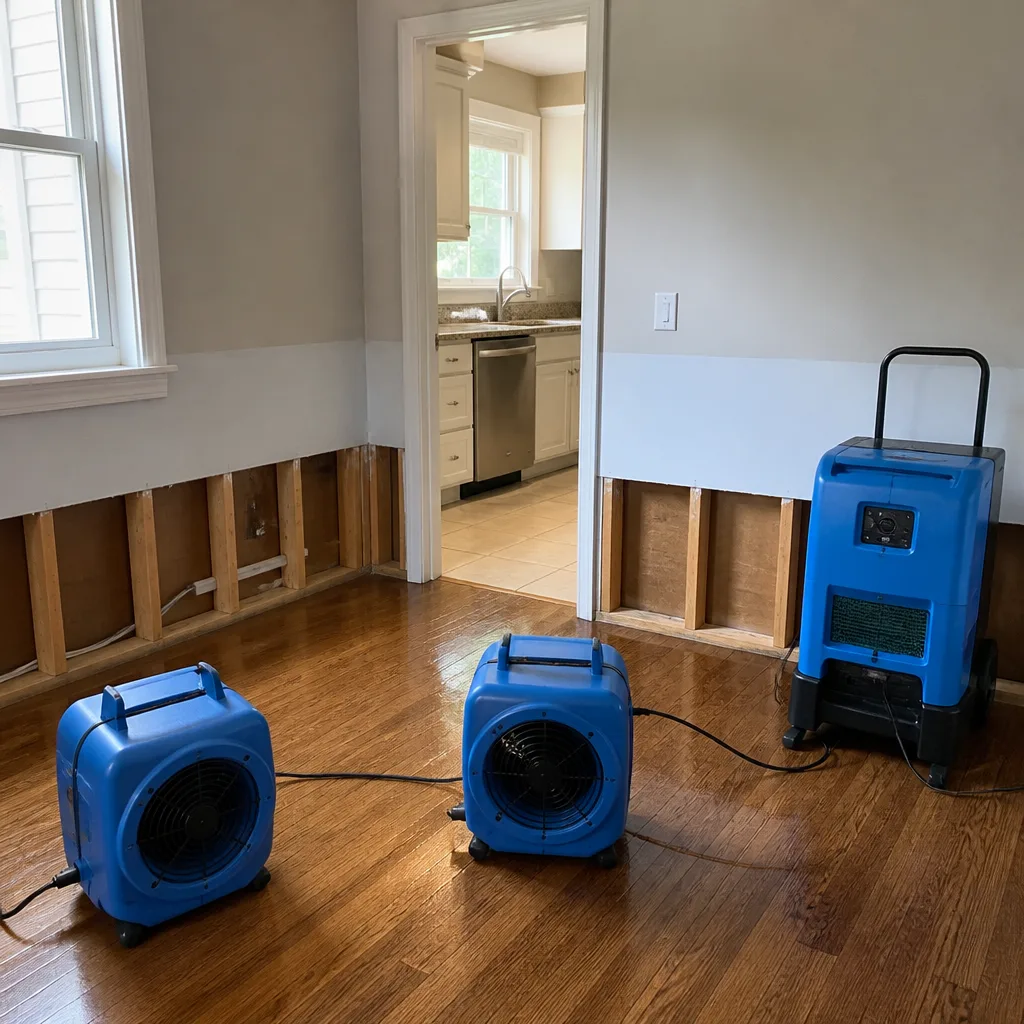 Water damage drying
 Fire & smoke cleanup
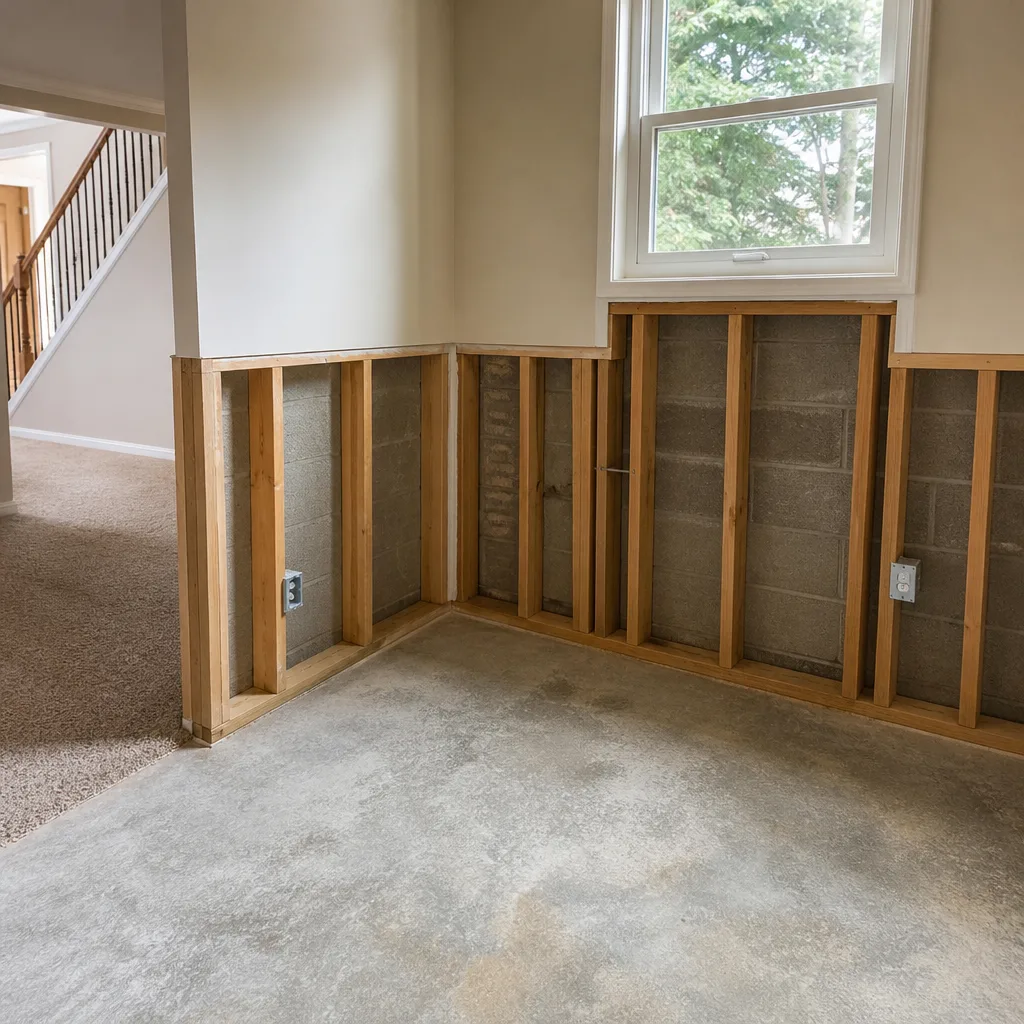 Mold remediation
 Storm response
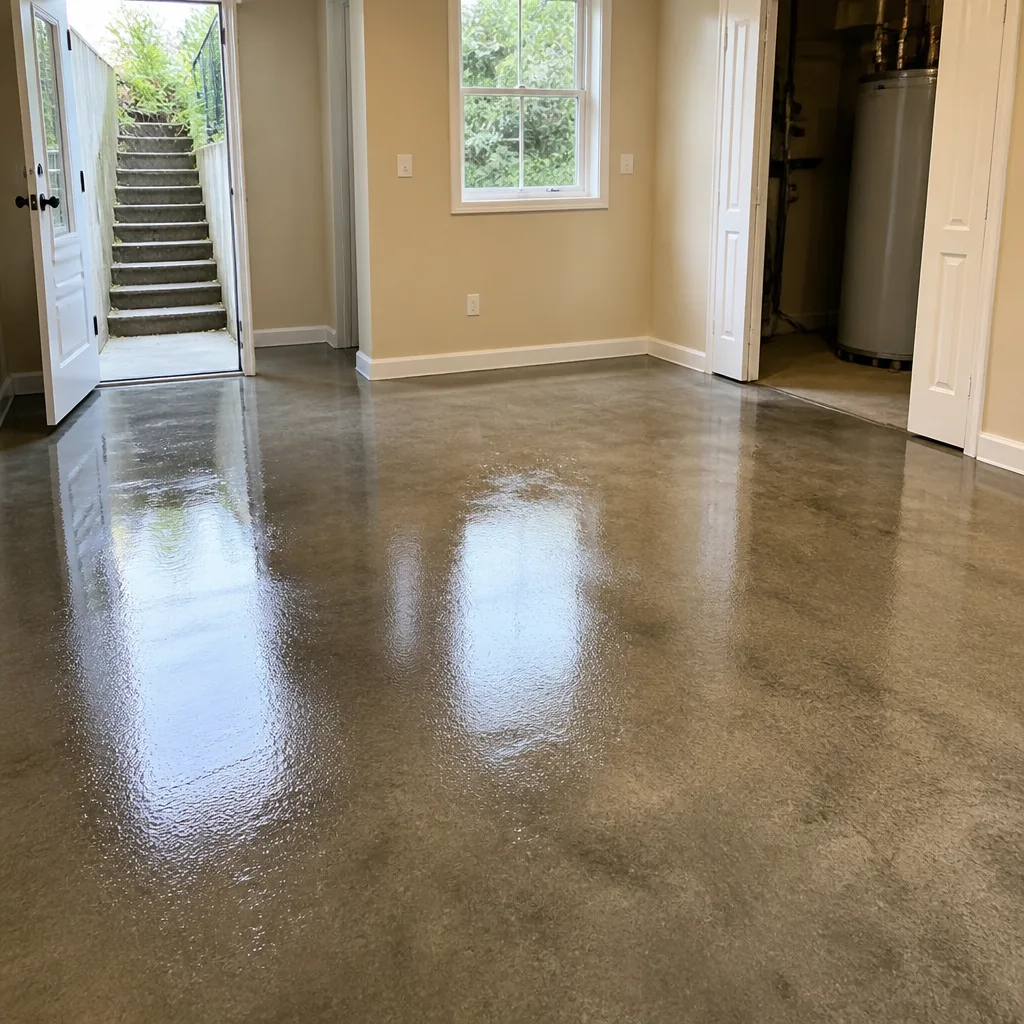 Sewage cleanup
 Reconstruction
Free visual inspection and a written scope of work before any mitigation begins - photos, moisture readings, and drying logs go in your claim file
The scope we write is the scope we bill. Anything new gets shown to you, in writing, before we touch it.
Get your free estimateWater Damage Restoration Maintenance Checklist for Austin Homeowners
The February 2021 freeze generated more Austin water-damage insurance claims in 72 hours than the prior three years combined, and most of those burst pipes had been perfectly fine the week before. That’s the uncomfortable truth about water damage in Central Texas: it rarely announces itself. This guide walks through the maintenance tasks that catch Austin’s three biggest local failure points before they turn into ceiling collapses, slab leaks, and mold blooms. For a deeper dive, see The Complete Guide to Damage Restoration in Austin. You’ll learn what to check monthly, what to do before summer’s AC season, and how to prep for the next hard freeze.
Quick Answer
A practical water damage prevention checklist for Austin homeowners should cover three local priorities every month: testing AC condensate drain lines before and during cooling season, inspecting polybutylene pipes in pre-2000 homes for early failure signs, and winterizing exterior lines and hose bibs before hard freezes. Add a room-by-room visual inspection for slow leaks, drainage issues, and moisture around foundations, and document everything with photos. Most Austin water damage claims trace back to one of these three failures.
Restoration work we handle
Table of Contents
- The Three Austin Failure Points Most Checklists Miss
- The Monthly Room-by-Room Checklist for Austin Homes
- How to Test Your AC Condensate Drain Line Before Summer
- Polybutylene Pipes: What They Look Like and Where They Hide in Austin
- Austin Freeze-Prep Sub-Checklist for Hard Freezes
- How to Document Your Home’s Condition for Faster Insurance Claims
- Common Mistakes to Avoid
- When to Call a Professional
- Frequently Asked Questions
The Three Austin Failure Points Most Checklists Miss
Most water-damage prevention checklists circulating online were written for Minnesota basements or Seattle crawlspaces. They obsess over sump pumps and ice dams. Austin homes don’t have those problems. What Austin homes do have is a specific housing stock, a specific climate, and a specific set of failure patterns that show up again and again in water damage restoration in Austin claims.
After nearly two decades of responding to water damage across this city, we can tell you that the majority of local claims fall into three categories. First, polybutylene pipe failures in homes built between roughly 1978 and 1995. Second, AC condensate drain overflows, which happen when algae and debris clog the drain line and send water spilling into ceilings, walls, and closets. Third, sudden hard-freeze events on uninsulated exterior lines and hose bibs, which catch homeowners off guard because Austin’s freezes are intermittent, not seasonal.
The frustrating part is that all three are largely preventable with a few hours of attention per year. This guide is organized around those three failure points, plus the room-by-room inspection habits that catch smaller slow leaks before they become structural problems.
The Monthly Room-by-Room Checklist for Austin Homes
Austin’s housing stock breaks into three broad categories: 1970s to 1990s slab-on-grade homes, newer stucco-clad builds from the 2000s onward, and older pier-and-beam Craftsmans concentrated in central neighborhoods like Hyde Park, Travis Heights, and Bouldin Creek. Each type has different leak behaviors, and your monthly walkthrough should account for that.
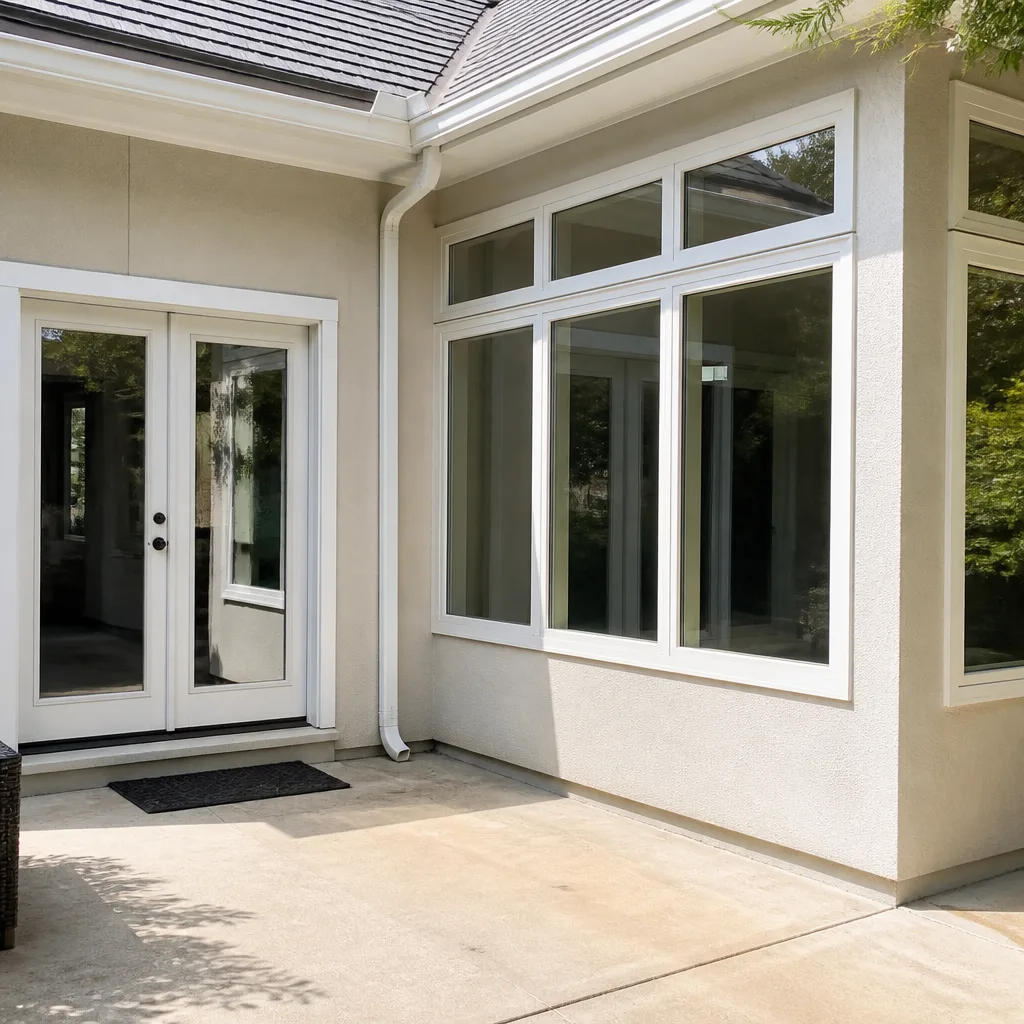
Slab homes hide leaks inside concrete, which means water travels horizontally before showing up at baseboards, flooring edges, or exterior brick. Stucco homes are prone to water intrusion around window flashing and weep screeds when sealing fails. Pier-and-beam homes give you a crawlspace to inspect, but many Austin homeowners never go under the house until a floor feels soft.
Here’s the monthly checklist we recommend, organized by area:
Kitchen
- Run your hand along the cabinet base under the sink. Check for swelling, discoloration, or soft spots in the particleboard.
- Inspect the dishwasher supply line and drain connection. Look for mineral deposits or rust at the fittings.
- Check the refrigerator water line if you have an ice maker. In our experience, this thin plastic line is one of the most common slow-leak culprits in Austin kitchens.
- Look for warping or cupping in flooring near the sink, dishwasher, and refrigerator.
Bathrooms
- Check the toilet base for any rocking or softness in the floor around the flange. A rocking toilet is a slow sewer leak waiting to happen.
- Run the shower and watch for water escaping the curtain or glass enclosure. Check caulking at the tub and tile edges for cracks or gaps.
- Inspect the cabinet under each sink the same way you did in the kitchen.
- Look for peeling paint, bubbling drywall, or staining on the ceiling below a second-floor bathroom, if applicable.
Laundry Room
- Check the washer supply hoses. If they’re rubber and more than five years old, replace them with braided stainless steel. This is a $30 fix that prevents a $5,000 claim.
- Look at the washing machine drain standpipe. Pull the hose partially out and check for a slow drain or backup.
- Inspect the floor drain if you have one. Pour a gallon of water down it monthly to keep the trap seal intact and prevent sewer gas.
Water Heater
- Inspect the area around the tank base for any signs of rust, corrosion, or pooled water.
- Check the temperature and pressure relief valve (the T&P valve) drain line. It should terminate outside or in a drain pan, not into a wall cavity.
- Look into the drain pan if your water heater sits in one. Standing water in the pan means a slow leak from the tank or fittings.
- If your water heater is more than 10 years old in an Austin home, start budgeting for replacement. Tank failures rarely give much warning.
Exterior and Foundation
- Walk the perimeter of the house after rain. Look for water pooling against the foundation. Austin’s clay-heavy soil expands and contracts dramatically with moisture, and poor drainage accelerates slab movement.
- Check that gutters and downspouts are clear and directing water at least 3 to 5 feet away from the foundation.
- Inspect exterior hose bibs for drips, especially after freezing weather.
- Look at the soil grading around the foundation. It should slope away from the house, not toward it.
How to Test Your AC Condensate Drain Line Before Summer
This is the single most overlooked maintenance task in Austin homes, and it causes more ceiling water damage than any other issue besides burst pipes. Your AC unit pulls humidity out of the air as it cools. That moisture has to go somewhere. In most Austin homes, it drains through a PVC pipe that exits near the outdoor condenser unit or into a bathroom sink drain. When that line clogs with algae, dust, and biofilm, the water backs up into the drain pan, overflows, and soaks whatever is below, which is usually a hallway ceiling or a closet.
Here’s the 5-minute test you can do before cooling season starts in April or May:
- Locate the condensate drain line exit. It’s typically a PVC pipe sticking out of the exterior wall near the AC condenser, often with a cap or open end.
- Find the access point. Many Austin homes have a T-shaped fitting with an open top near the indoor air handler. This is where you pour things in.
- Pour one cup of white vinegar into the access point. Vinegar breaks down algae and mineral buildup without damaging the PVC pipe.
- Wait 15 minutes, then check the exterior drain exit. If you see vinegar (or water) flowing out, the line is clear.
- If nothing comes out, you have a partial or full clog. Pour one cup of warm water mixed with a few drops of dish soap to try flushing it. If still nothing, call a professional before summer’s first heat wave.
Repeat this monthly during the heavy cooling months of June through September. Austin’s heat and humidity create ideal conditions for algae growth inside dark, warm drain pipes. A $2 bottle of vinegar and five minutes of your time prevents a ceiling repair that typically runs $800 to $2,500 depending on the drywall damage.
Polybutylene Pipes: What They Look Like and Where They Hide in Austin
If your Austin home was built between 1978 and 1995, there’s a meaningful chance it has polybutylene water supply lines. Polybutylene is a gray, blue, or black plastic pipe that was widely used in Sun Belt construction during that era. It was cheap, flexible, and easy to install. Then it started failing.
The failure mechanism is slow chemical degradation from chlorine and other oxidants in municipal water. Austin’s water treatment chemistry accelerates this process compared to some other cities. In our experience across Austin, we regularly see polybutylene failures in homes that have had decades of continuous exposure to treated municipal water. The pipes become brittle from the inside out, and when they fail, they often do so catastrophically, not with a slow drip.
Polybutylene pipe is identifiable by several characteristics. It’s typically gray in color, though some installations used blue or black. The pipe is marked with the letters “PB” followed by a series of numbers. It’s flexible enough to bend slightly by hand, unlike rigid PVC or copper. The fittings are often plastic or metal with a crimp ring connection.
Where to look in your Austin home:
- Under sinks and vanities, where supply lines connect to shutoff valves
- At the water heater connections
- At the main shutoff valve where water enters the house
- In the attic, where horizontal runs may be visible
- Through the slab, where polybutylene was commonly run in Austin’s slab-on-grade construction
If you find polybutylene, the honest conversation is about replacement. A full repipe for an average Austin home typically costs between $4,000 and $15,000, depending on home size, the number of fixtures, and whether the lines run through an accessible attic or through the slab. Slab access is the expensive variable. Pier-and-beam homes are easier and cheaper to repipe. The good news for Austin homeowners is that a full repipe is often a covered insurance event if a polybutylene line has already failed and caused damage, though policies vary significantly.
This is not a cosmetic issue. Polybutylene failures in Austin homes frequently happen inside walls or under slabs, where the leak runs for days or weeks before anyone notices. If you have polybutylene, put a full repipe on your priority list, and document the pipe condition with photos in the meantime. For a broader look at what water damage entails when it does happen, see our guide on Dryden Restoration Austin home services.
Austin Freeze-Prep Sub-Checklist for Hard Freezes
Austin doesn’t get Chicago winters. What Austin gets is intermittent hard freezes, usually for 24 to 72 hours, sometimes with temperatures dropping into the teens. The February 2021 event was an extreme version of a normal Central Texas pattern. The freeze before it, in February 2018, also burst pipes across the city. The next one will come. The question is whether your home is ready.
The reason freeze damage hits Austin harder than colder cities is simple: our homes weren’t built for it. Exterior lines are often uninsulated or minimally insulated. Hose bibs are frequently not freeze-proof models. Attic pipes in some Austin homes run above the insulation, fully exposed to cold air. And because freezes are rare, homeowners forget to act until the forecast is already at 28 degrees.
Here’s the freeze-prep checklist to work through when the forecast shows a hard freeze coming:
- Disconnect all garden hoses from exterior hose bibs. A connected hose traps water in the bib and is the most common cause of frozen, burst exterior lines in Austin.
- Wrap exterior hose bibs with foam covers. Hardware stores in Austin sell them for $3 to $5 each. Install them before the freeze, not during.
- Identify the water shutoff valves for exterior lines. Many Austin homes have separate shutoffs for hose bibs in the garage, laundry room, or under the house. If you have them, close them and drain the exterior lines.
- Drip faucets on exterior walls when the forecast drops below 25 degrees for more than a few hours. Drip both hot and cold at a slow, steady rate. The goal is movement, not volume. This applies to kitchen sinks, bathroom sinks, and any fixture on an exterior wall.
- Open cabinet doors under sinks on exterior walls to let warm indoor air circulate around the supply lines. This is critical for pier-and-beam and slab homes alike.
- Locate your main water shutoff now, before an emergency. In most Austin homes, it’s at the meter box near the street or at the point where the line enters the house. Test that it turns. If a pipe does burst, the difference between a $500 drywall repair and a $15,000 remediation job is how fast you shut off the water.
- For pier-and-beam homes, check the crawlspace vents. Close them during hard freezes to keep cold air from blowing directly across unprotected pipes. Reopen them after temperatures rise.
If a pipe does freeze, never use an open flame to thaw it. Use warm towels, a hair dryer on low heat, or a space heater placed at a safe distance. And if you’re not sure whether a frozen pipe has already cracked, the time to call is before it thaws. A professional can assess the situation and prevent the secondary damage that happens when water starts moving through a cracked line.
How to Document Your Home’s Condition for Faster Insurance Claims
This is the step almost no one does, and it’s the one that makes the biggest difference when something goes wrong. When you file a water damage insurance claim in Austin, the adjuster’s first question is almost always the same: what did the area look like before the loss? If you can’t answer that with documentation, you’re fighting an uphill battle to prove the damage wasn’t pre-existing.
The solution is simple and takes about 30 minutes. Do it once now, then update it whenever you make changes to the home.
- Take wide-angle photos of every room, including closets, the garage interior, and utility areas. Capture floors, ceilings, and walls.
- Photograph the water heater, HVAC equipment, electrical panel, and the area around each.
- Take close-up photos of plumbing under each sink, showing supply lines, shutoff valves, and drain connections.
- Photograph exterior walls, the roofline, gutters, and the foundation from all four sides.
- Document any existing damage, staining, or wear, even if it’s minor. The point is a baseline: this is what the home looked like on this date.
- Store the photos in cloud storage, not just on your phone. Your phone is the thing that gets water damaged in a flood.
- Update the photo set after any repair, renovation, or new appliance installation.
In our experience, Austin homeowners who have this documentation resolve their claims noticeably faster than those who don’t. It’s the difference between telling an adjuster “the ceiling was fine” and showing them a dated photo of an undamaged ceiling from three months ago. If you’re facing the beginning of a water damage situation and don’t have this baseline yet, take photos immediately. Document everything before any cleanup begins. Then contact your insurer, and if you need help with the restoration side, see our mold remediation in Austin guide for what comes next when water has been sitting.
Common Mistakes to Avoid
- Ignoring small stains on ceilings or walls. A faint yellow ring on the ceiling below a bathroom or AC unit is not cosmetic. It’s a leak that has already started. The longer it goes unaddressed, the more extensive the drywall, insulation, and potential mold damage becomes. Austin’s humidity accelerates mold growth once moisture gets trapped in building materials.
- Using a homeowner-grade shop vac for serious water extraction. A shop vac can handle a small spill. It cannot handle a ruptured supply line or a flooded room. Professional-grade extraction equipment removes water from carpet padding, subfloor, and wall cavities. If the water has been standing for more than a few hours, the subfloor is soaked, and a shop vac isn’t enough.
- Waiting until the heat of summer to test the AC condensate line. By June in Austin, the line has either been flowing or failing for weeks. Testing it in April, before the cooling load ramps up, gives you time to clear a clog before it overflows into a ceiling.
- Dripping the wrong faucets during a freeze. The goal of dripping is to keep water moving through pipes that are exposed to freezing air. That means fixtures on exterior walls and lines running through uninsulated attics or crawlspaces. Dripping an interior bathroom on an interior wall does nothing except waste water. Identify which fixtures are at risk and drip those.
- Assuming a polybutylene replacement is optional once you know you have it. Austin homeowners sometimes tell us they’ll replace the pipes “eventually.” Polybutylene doesn’t fail on a schedule. It fails when the pipe wall finally gives out, and when it does, the water is on. A known polybutylene system is a not-if-but-when situation.
- Skipping the photo documentation because “nothing will happen.” The homeowners who say this are the same ones fighting with adjusters about whether a stain was pre-existing. Take the 30 minutes. Store the photos in the cloud. Future you will be glad you did.
- Leaving garden hoses connected during Austin’s occasional freezes. This one small oversight causes more burst exterior lines in Austin than any other winter mistake. A connected hose traps water in the bib, and when that water freezes, it expands and splits the pipe inside the wall. Disconnect hoses by Thanksgiving, and leave them off until spring.
When to Call a Professional
Some situations are not DIY jobs. If you find water coming through a ceiling, a wall that feels soft or spongy, or standing water that has been present for more than a few hours, call our Water Damage Restoration services immediately. The same goes for a sewage backup, a burst pipe inside a wall cavity, or any situation where you can see or smell mold. These conditions require professional-grade drying equipment, moisture mapping, and often antimicrobial treatment to prevent long-term structural damage. Dryden Restoration Austin offers free estimates in Austin, and we always provide a written price before any work starts. Call (361) 326-2081 and a live person will answer, any hour of the day or night.
Frequently Asked Questions
Austin homeowners should do a full room-by-room water damage inspection monthly, with additional checks after heavy rain, after any freeze event, and during the first two weeks of heavy AC season. The monthly walkthrough takes 20 to 30 minutes and catches most slow leaks before they become visible damage.
In most cases, yes. Sudden and accidental water discharge from a burst pipe is typically covered under standard homeowners insurance policies, including polybutylene failures. However, gradual leaks that cause damage over weeks or months are often denied because they’re classified as maintenance issues rather than sudden events. This is why documenting your home’s condition and addressing known polybutylene risks matters. Always check your specific policy language, and call your insurer the moment you discover a leak.
Water damage restoration in Austin typically ranges from $1,200 to $4,500 for a contained leak with moderate damage, and $5,000 to $15,000 or more for significant flooding, structural drying, and rebuild work. For detailed pricing factors, see our Damage Restoration Cost Breakdown: The Austin Homeowner’s Reference for 2026. The variables include how much water was released, how long it sat, what materials were affected, and whether mold remediation is required. A professional assessment with infrared moisture mapping is the only way to get an accurate number. Call (361) 326-2081 for a free estimate in Austin.
A residential dehumidifier can help with minor dampness in a small area, but it’s not a substitute for professional drying equipment on any meaningful water intrusion. Water that has soaked into drywall, baseboards, subfloor, or wall cavities requires commercial-grade equipment like the Dri-Eaz and Phoenix systems we use, which remove moisture at several times the rate of a home unit. If the affected area is larger than a bathroom rug, call a professional. The cost of incomplete drying, meaning mold, warped floors, and musty odors that never go away, always exceeds the cost of doing it right the first time.
Dryden Restoration Austin answers every call with a live person, 24 hours a day, 7 days a week, and we dispatch technicians to Austin homes the same day for water damage emergencies. For more guides & resources, explore our blog. The longer water sits, the more damage it does, so speed matters. We’ll confirm a named arrival window when you call, and the technician who arrives will be uniformed, background-checked, and ready to start mitigation work immediately. Call (361) 326-2081.
It depends on what the water touched. Carpet and pad can often be dried and saved if addressed within hours. Drywall, insulation, and subfloor that have absorbed water for more than 24 to 48 hours typically need at least partial removal and replacement, because those materials hold moisture in conditions where mold grows quickly in Austin’s warm climate. A professional moisture assessment using meters and infrared cameras tells you definitively what needs to come out and what can be dried. That assessment is part of the free estimate we provide. Call (361) 326-2081 to schedule one.
The Bottom Line
Water damage in Austin homes almost always traces back to one of three local failure points: polybutylene pipes in pre-2000 construction, AC condensate drain clogs during cooling season, and hard-freeze events on uninsulated exterior lines. All three are preventable with regular attention. Do the monthly room-by-room walkthrough. Test your AC drain line with vinegar before summer. Disconnect your hoses and drip the right faucets before every freeze. Take baseline photos of your home today and store them in the cloud. If something does go wrong, act fast. For water damage restoration in Austin, including fire damage restoration in Austin and mold remediation, Dryden Restoration Austin provides written pricing before any work starts and a 365-day written guarantee on every repair. Call (361) 326-2081 for a free estimate, any time, day or night.
Written by Carl Brandt, Owner at Dryden Restoration Austin, serving Austin since 2005.
See the difference
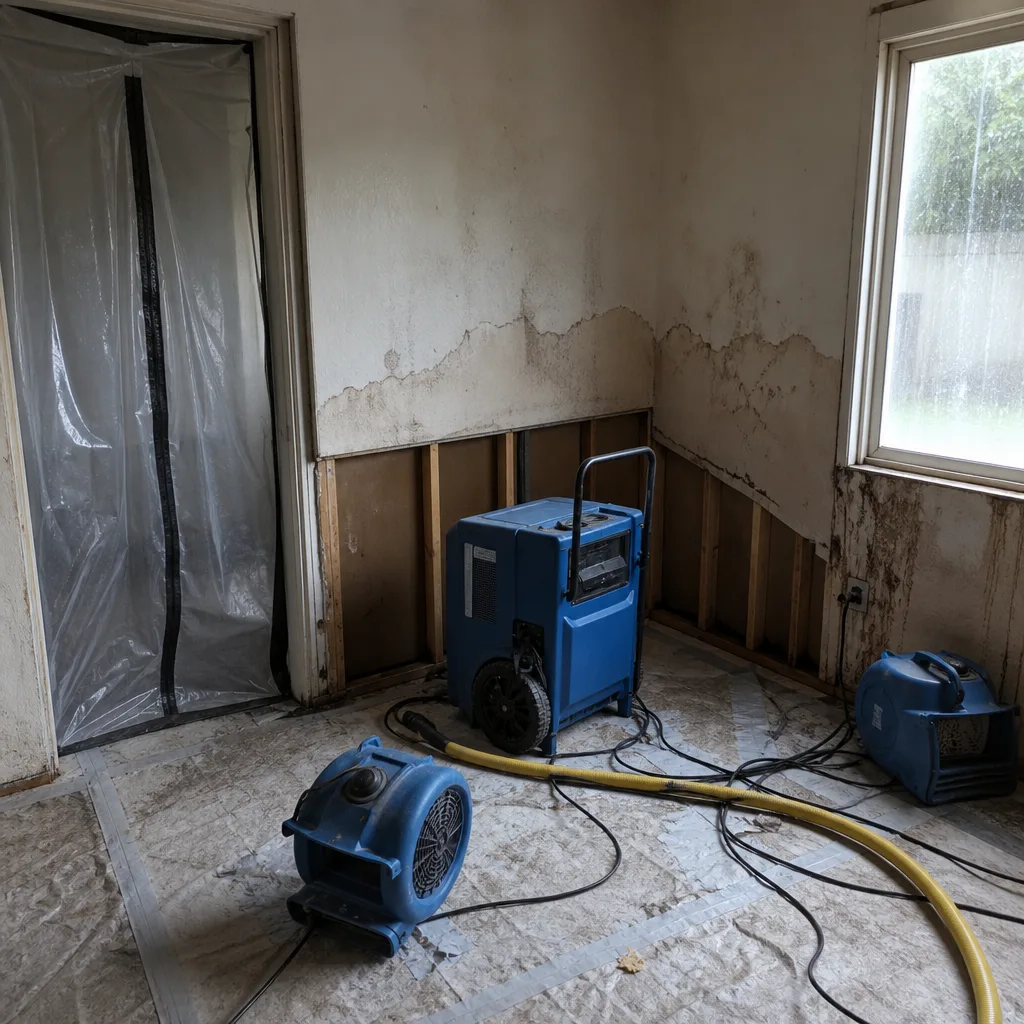 Before
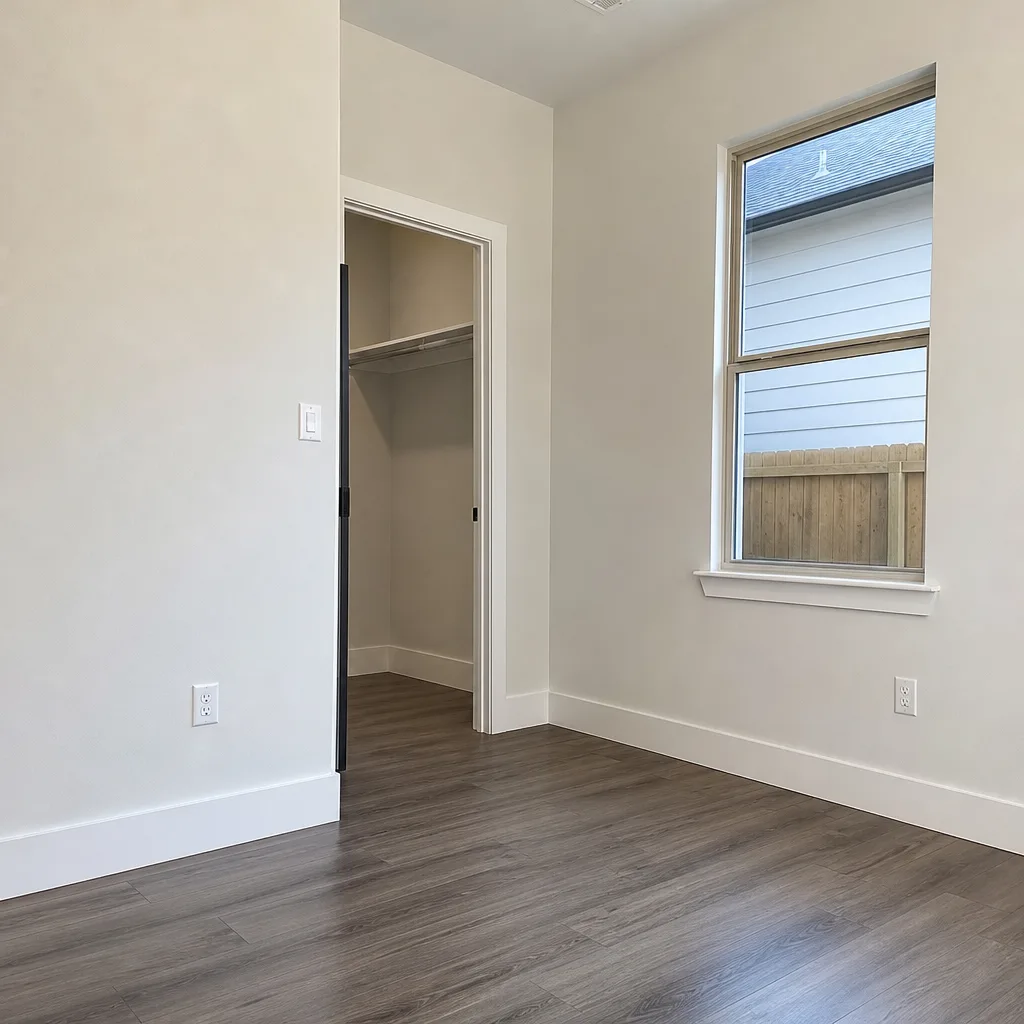 After
After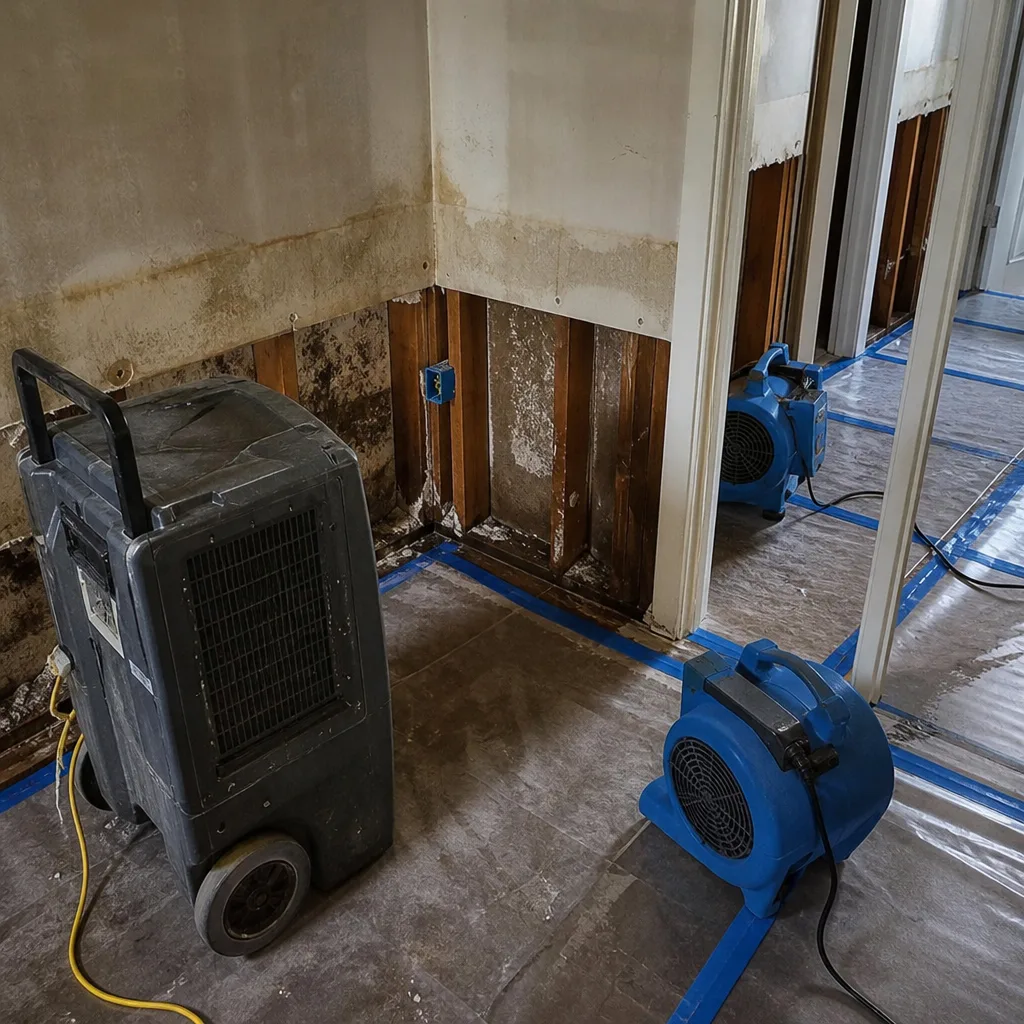 Before
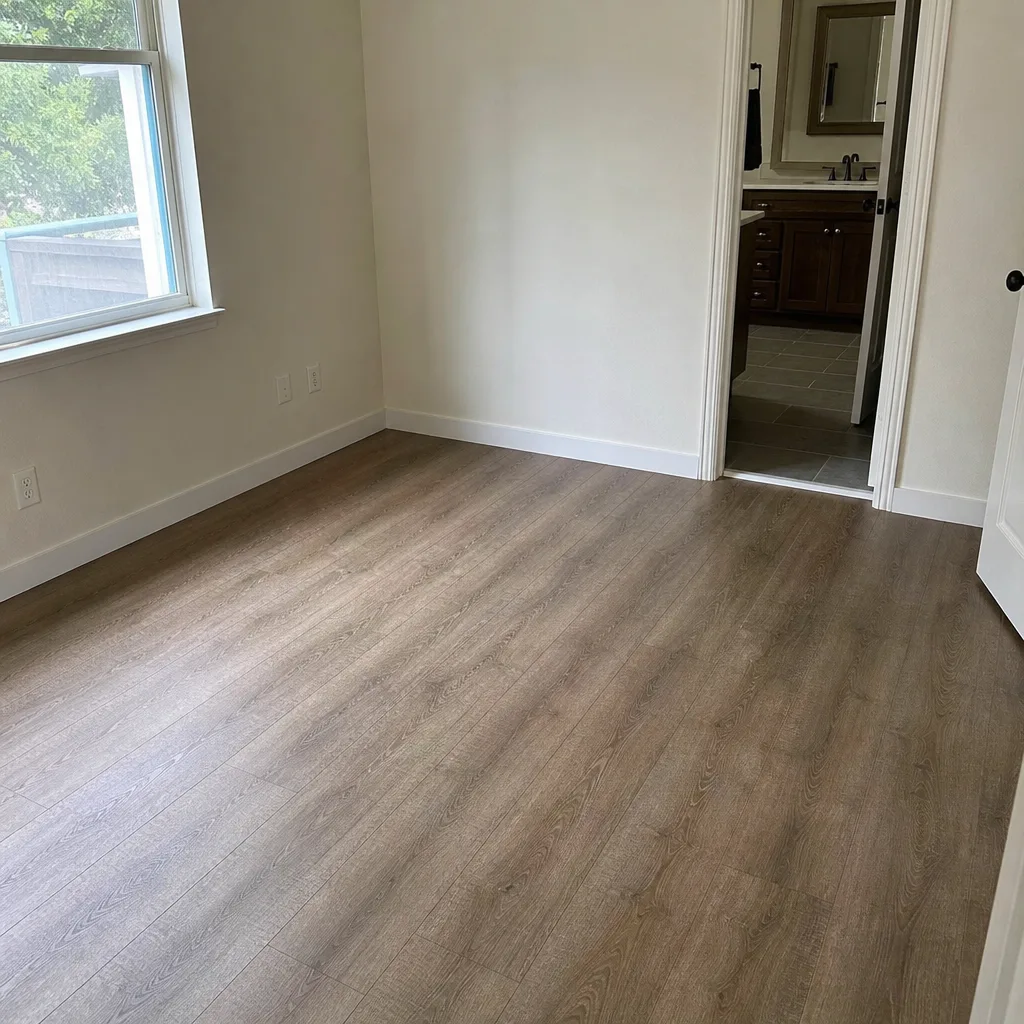 After
After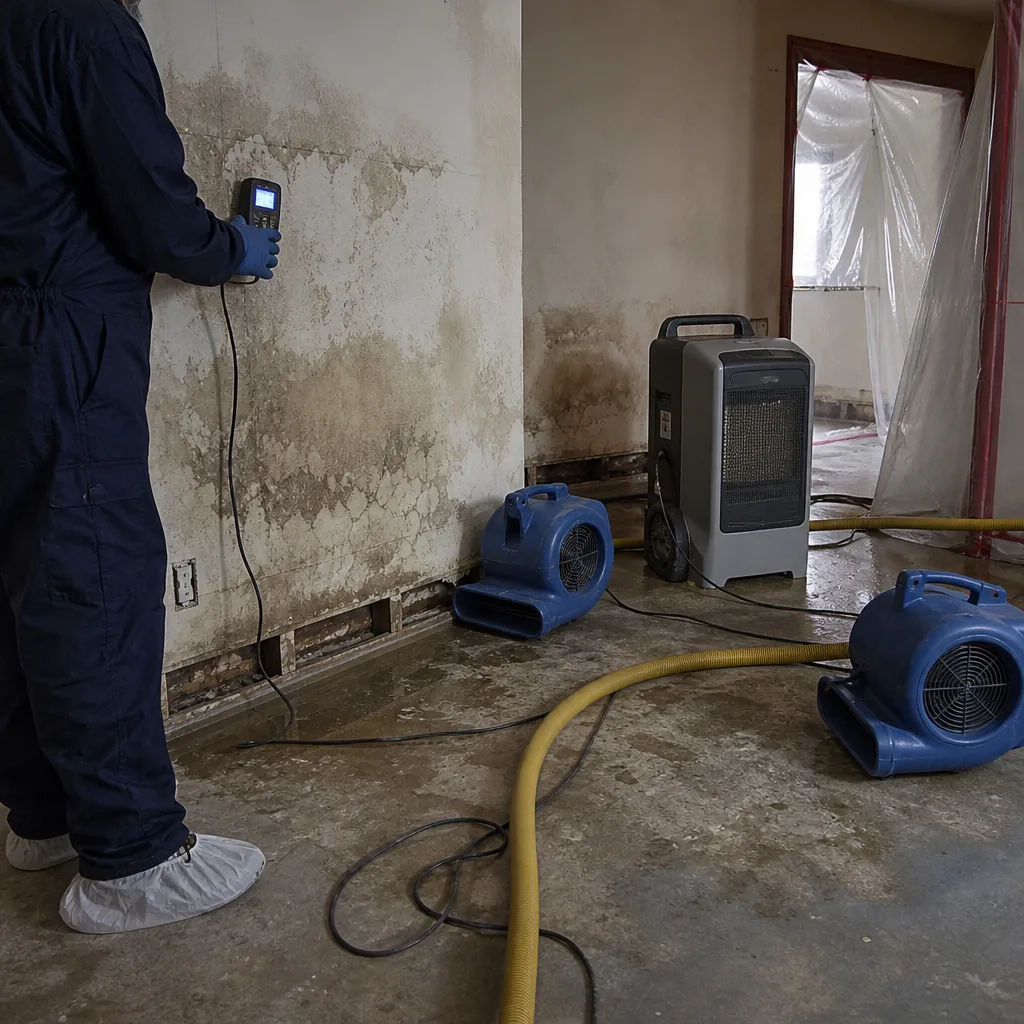 Before
 After
After