
Last updated October 16, 2026
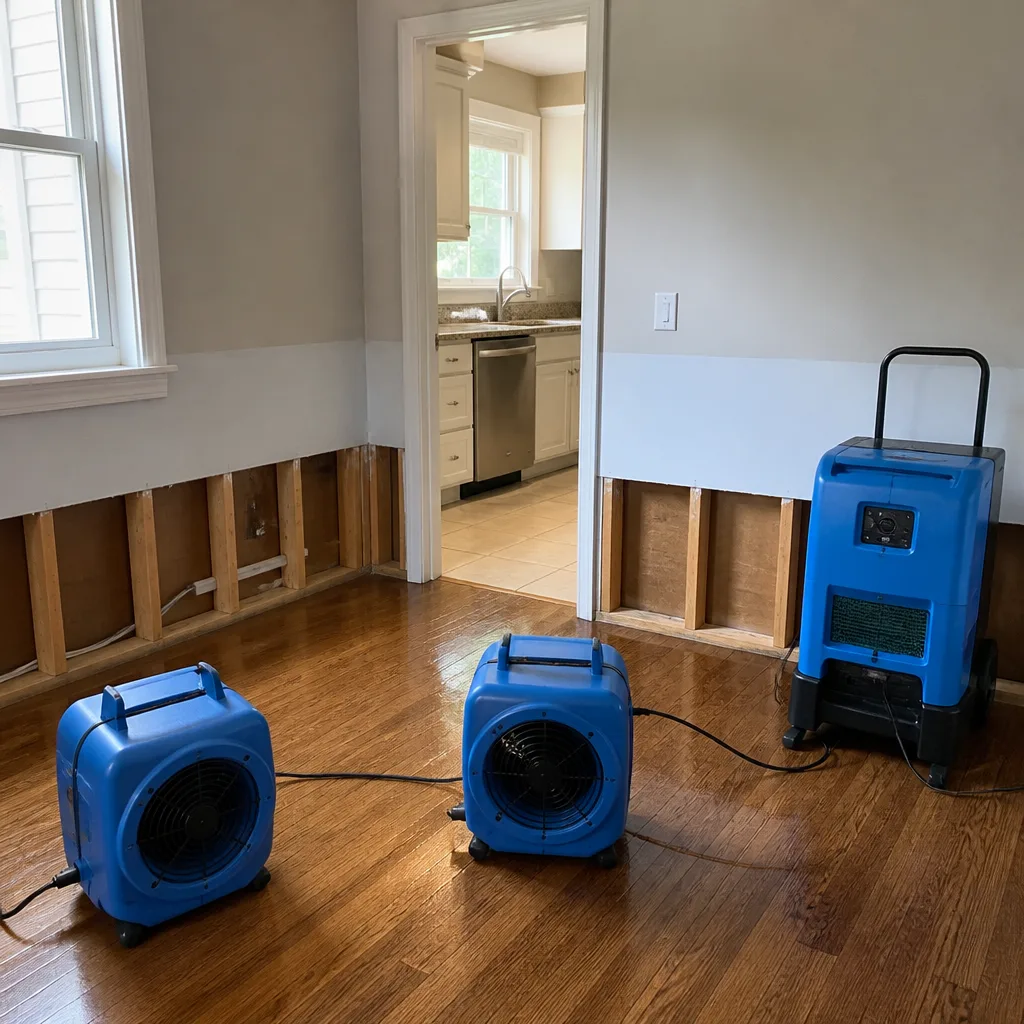 Water damage drying
 Fire & smoke cleanup
 Mold remediation
 Storm response
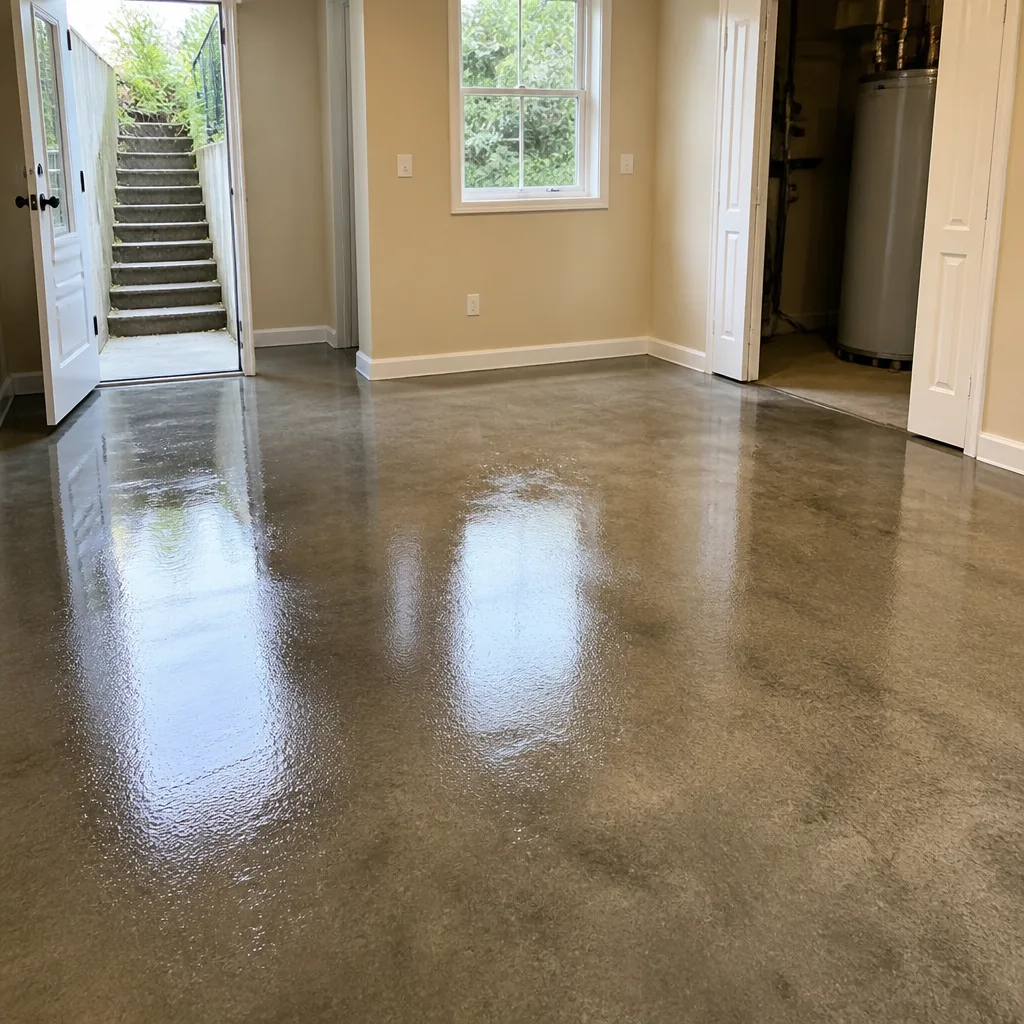 Sewage cleanup
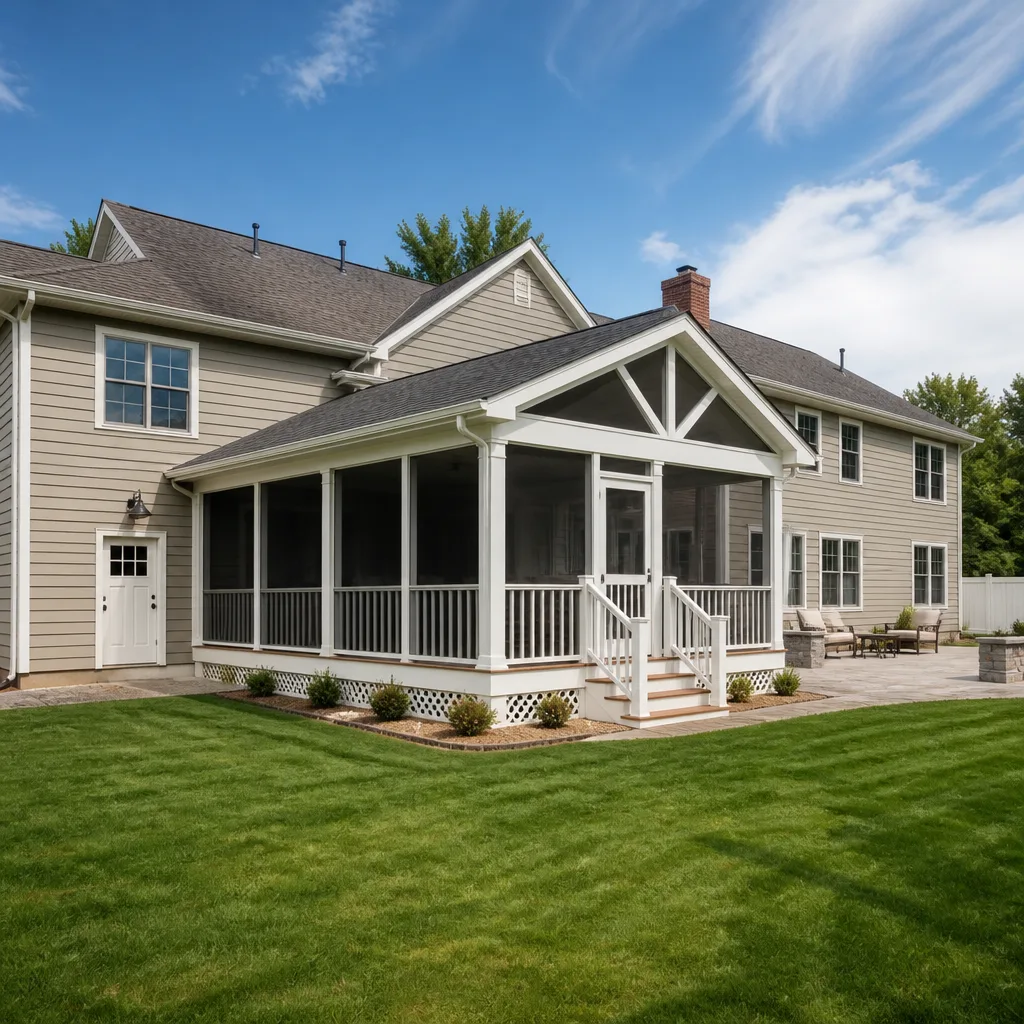 Reconstruction
Free visual inspection and a written scope of work before any mitigation begins - photos, moisture readings, and drying logs go in your claim file
The scope we write is the scope we bill. Anything new gets shown to you, in writing, before we touch it.
Get your free estimateThe Complete Guide to Damage Restoration in Austin
Austin sits on a geological and climatological fault line that most national restoration guides never address. The city averages roughly 35 days per year under flash-flood watches, and the soil beneath most homes is expansive clay that shrinks and swells with every rain and drought cycle. This guide explains how water, mold, storm, and fire damage actually work in Central Texas, what each type costs to fix, and how Austin’s limestone slab foundations, humidity, and aquifer regulations change the restoration process from start to finish.
Restoration work we handle
Quick Answer
Damage restoration in Austin typically costs between $2,400 and $8,900 for water mitigation, $1,800 to $6,500 for mold remediation, and $4,500 to $35,000 for fire and smoke restoration, depending on square footage and severity. Most water and mold jobs can begin within 24 to 48 hours, while fire restoration is scoped, priced, and scheduled over several weeks. Austin homeowners should expect longer drying times during humid summer months and should verify that any restorer follows IICRC standards before signing anything.
Table of Contents
- How Austin’s Clay Soil Creates and Masks Water Damage
- What Category 1, 2, and 3 Water Actually Mean
- Why Drying Takes Longer in Austin: Humidity, Slab Foundations, and the Real Timeline
- Edwards Aquifer Rules: Where Restoration Wastewater Can Go in Travis County
- Mold in Austin: What the Climate Does and How Remediation Works
- Fire and Smoke Restoration in Austin: Timeline, Costs, and What Gets Saved
- Insurance Estimates vs. What the Job Actually Costs in Austin
- How to Choose a Restoration Company in Austin Without Getting Burned
- Common Mistakes to Avoid
- When to Call a Professional
- Frequently Asked Questions
- The Bottom Line
How Austin’s Clay Soil Creates and Masks Water Damage
Austin sits on the Blackland Prairie, a band of highly expansive clay soil that runs from the Red River down through Central Texas. This soil can swell by up to 30 percent when saturated and shrink dramatically during droughts. For homeowners, that means the ground under a slab foundation is moving constantly, not always visibly.
We see the same pattern across Austin neighborhoods, from Allandale to Circle C. A homeowner notices a hairline crack in a hallway tile or a door that suddenly sticks in its frame. They assume the house is settling and call a foundation company. Then the foundation contractor finds moisture, and the trail leads back to a pinhole leak in a copper supply line under the slab. The clay soil created the symptom, but the water caused the structural shift.
Here is the part most guides miss: expansive clay does not just cause foundation movement. It masks plumbing leaks for months. When clay swells around a compromised pipe, it can temporarily seal small leaks, holding water against the slab until the soil dries and contracts. The leak then reappears, and the cycle repeats. By the time a homeowner sees water staining baseboards or smells must in a bedroom, the water has been traveling through the slab system for weeks or months.
What a restorer should check first in an Austin home with suspected slab leak:
- Floor temperature variations near exterior walls, where supply lines typically enter
- Warped laminate or cupped hardwood in rooms with no visible water source
- Baseboard discoloration in rooms adjacent to bathrooms or kitchens
- Musty odor that persists after cleaning, which often indicates moisture trapped in slab channels
- Water meter readings with all fixtures off, which can confirm a hidden leak before demolition begins
If you are dealing with any of these signs, the right first step is a professional moisture assessment, not a DIY patch. Our Water Damage Restoration in Austin page explains how we run these assessments and what the findings mean for your specific situation.
What Category 1, 2, and 3 Water Actually Mean
Restoration companies throw around terms like Category 3 water without explaining them. Here is the plain-English version, because the category determines almost everything: what gets dried, what gets removed, and what your insurance will pay to restore.
Category 1 water is clean water from a supply line, a faucet left running, or a burst pipe. It is safe to dry and restore most materials. Drying time in Austin runs two to four days with professional equipment, longer if humidity is high.
Category 2 water has been used. It is gray water, meaning water from a dishwasher overflow, washing machine drain, or a toilet with only urine. Some materials can be dried and saved; porous items like carpet pad and ceiling tiles typically get replaced.
Category 3 water is grossly contaminated. This is sewage backup, flood water from outside, or standing water that has sat long enough to support bacterial growth. In plain English: this water can make you sick. Materials touched by Category 3 water are almost always removed, not dried. Drywall, carpet, pad, insulation, and sometimes cabinetry get cut out and replaced. Belongings with sentimental value can sometimes be salvaged through specialized content cleaning, but anything porous that absorbed Category 3 water is a health risk.
We use professional-grade drying and restoration equipment, including Dri-Eaz and Phoenix systems, which include moisture meters and thermal imaging to identify which materials actually absorbed contaminated water. This prevents needless demolition and keeps the project focused on what is actually wet.
Why Drying Takes Longer in Austin: Humidity, Slab Foundations, and the Real Timeline
Austin’s humidity is the biggest variable in restoration timelines. A drywall cavity that dries in three days during a dry March week can take six days in August, when dew points sit in the low 70s and overnight relative humidity stays above 85 percent. Anyone who has lived through a Central Texas summer knows the air simply holds more moisture, and that moisture slows evaporation everywhere, including inside wall cavities.
Slab foundations compound the problem. Homes in Austin are mostly built on concrete slabs, not basements or crawl spaces. Water that penetrates a slab leak travels horizontally through the concrete and wicks upward into wall frames. Without a basement to inspect or a crawl space to ventilate, technicians rely on moisture meters and thermal imaging to track water movement beneath finished floors. Psychrometric drying, the science of controlling temperature, humidity, and airflow to accelerate evaporation, becomes the primary tool.
Here is a real timeline we see across Austin homes:
- Water extraction and mitigation: 2 to 5 days, including equipment setup and daily monitoring
- Structural drying (drywall, framing, subfloor): 4 to 10 days depending on season and water category
- Mold prevention treatment: applied during drying, monitored for 7 days
- Reconstruction: 2 to 8 weeks after drying completes, depending on scope
The key variable is not effort. It is physics. Air movement, heat, and dehumidification work together, and in Austin’s summer, the dehumidifier has to work harder to achieve the same grain depression. That is why honest restorers give a range, not a promise. Anyone who promises a three-day dry-out in August for a slab leak is guessing.
Edwards Aquifer Rules: Where Restoration Wastewater Can Go in Travis County
Most homeowners never think about where water goes after a restoration job. In Austin, it matters more than almost anywhere in Texas. Parts of western and southwestern Travis County sit over the Edwards Aquifer recharge zone, a protected groundwater area that supplies drinking water to millions of Central Texans. Discharging extracted water, cleaning solutions, or demolition debris into the ground in these areas can violate local and state environmental regulations.
What this means practically: restoration companies working in neighborhoods like Westlake Hills, Bee Cave, and parts of Oak Hill must control wastewater. That usually means containing extracted water in holding tanks and disposing of it through the sanitary sewer system, not simply pumping it into the yard. It also means being careful about the cleaning agents used, because anything that enters the soil in a recharge zone has a direct path to the aquifer.
Travis County and the City of Austin also have waste disposal rules for construction and demolition debris from restoration work. Waterlogged drywall, carpet, and insulation are solid waste, and they must go to permitted facilities. The days of tossing everything in a roll-off dumpster and calling it done are over in Travis County for contaminated materials.
If you are hiring a restoration company in Austin, ask two specific questions: Where will the extracted water go, and where will the demolition debris be hauled? A professional company answers without hesitation. A contractor who has never thought about the Edwards Aquifer recharge zone is not operating at the level your property deserves.
Mold in Austin: What the Climate Does and How Remediation Works
Austin’s climate is a mold incubator. Warm temperatures for most of the year, combined with periodic high humidity from Gulf moisture, create conditions where mold spores germinate on wet building materials within 24 to 48 hours. The window to prevent mold after water damage is short, especially between May and October.
Mold remediation in Austin typically follows a five-step process:
- Containment: The affected area is sealed with plastic sheeting and negative air pressure to prevent spores from spreading during removal
- Removal: Porous materials with visible mold growth are cut out and bagged for disposal
- Cleaning: Non-porous surfaces are cleaned with EPA-registered antimicrobial products
- Drying: The cavity is dried to below 15 percent moisture content in wood and below 60 percent relative humidity in air
- Verification: Post-remediation testing or visual clearance confirms the mold source is eliminated
- Board-up and emergency stabilization: 1 to 3 days, including roof tarping and structural shoring
- Smoke and soot assessment: 2 to 5 days, including testing of wall cavities and HVAC systems
- Content inventory and pack-out: 1 to 2 weeks, with every item photographed and documented
- Structural cleaning and demolition: 1 to 3 weeks depending on fire severity
- Reconstruction: 4 weeks to 4 months
- Ask for a written price before any work starts. Not an estimate, a written price. The number should not change at the door. At Dryden Restoration Austin, we put a written price in front of every customer before a tool is touched, and that number does not move unless the scope itself changes.
- Ask who will be in your home. Are technicians background-checked? Do they arrive in company uniform? You should know exactly who is walking through your door. Our technicians are background-checked and uniformed, so there is never a question about who is working in your home.
- Ask about the guarantee in writing. A verbal promise is not a guarantee. Our 365-Day Done Right Promise is documented on every job. If a covered repair fails within a full year, we come back and make it right at no charge. No fine print, no prorated coverage.
- Ask about equipment. Professional drying is not a box fan and a rented dehumidifier from the hardware store. Ask what equipment the company uses. We run Dri-Eaz and Phoenix systems, the same professional-grade machines used by large commercial restoration crews.
- Call the phone number. At 2 a.m. on a Saturday. Does a live person answer? If you get a voicemail or an answering service, that tells you what the response will be when your emergency actually happens. A live person answers every call at Dryden Restoration Austin, 24 hours a day, 7 days a week.
- Waiting to call after water damage because it looks contained. Water trapped in a slab foundation or wall cavity in Austin does not dry on its own. It breeds mold within 48 hours, and the repair cost multiplies. The moment you see or suspect water, start the clock.
- Trusting a verbal quote. In this trade, a verbal quote means nothing. Get the price in writing before work begins. If a contractor will not put a number on paper, walk away.
- Using box fans and a rental dehumidifier from a hardware store. Consumer-grade equipment cannot achieve the airflow and grain depression needed to dry structural cavities. This approach leaves moisture behind walls, and you will be dealing with mold in six weeks.
- Ignoring musty smells because there is no visible mold. Mold in Austin hides in wall cavities, under flooring, and behind baseboards. By the time it is visible, the colony is established. Musty odor is a moisture problem happening right now, not a smell to mask with air freshener.
- Letting a contractor pump extracted water into the yard. In Austin, that can violate environmental rules when you are over the Edwards Aquifer recharge zone, and it can create a new water intrusion problem at your own foundation line. Extracted water should be contained and disposed of properly.
- Accepting an insurance adjuster’s first estimate without review. Adjusters write estimates from software, not from your actual walls. A restoration company with experience in the Austin market can submit a supplement with documentation and get the real cost covered.
- Hiring based on price alone. The lowest bid in restoration usually means the lowest equipment quality, the least experienced technicians, or a scope that will grow after demolition begins. Ask about equipment, credentials, and the written guarantee before comparing prices.
Costs in Austin for mold remediation range from $1,800 for a contained bathroom closet to $6,500 for a whole-room operation with air scrubbers and post-remediation testing. The variables are square footage, whether drywall is removed, and whether HVAC cleaning is required. We have seen cases in Mueller where a small bathroom leak caused mold in a shared wall cavity that required opening the adjacent bedroom wall. That is why scoping matters more than square footage alone.
Our Mold Remediation in Austin page covers the full process, including what to ask before any walls are opened.
Fire and Smoke Restoration in Austin: Timeline, Costs, and What Gets Saved
Fire restoration is the most misunderstood service in the restoration industry. It is not a faster, hotter version of water damage. It is a separate discipline with its own timeline, and in Austin’s housing stock, the variables are aging electrical systems, open-floor-plan homes that allow smoke to spread quickly, and dense neighborhoods where a kitchen fire in one unit affects shared wall assemblies in the adjacent unit.
A realistic fire restoration timeline in Austin:
Here is what surprises most homeowners: the fire itself damages a relatively small area, but smoke and soot travel everywhere. Soot is acidic. It etches glass, corrodes metal fixtures, and permanently stains painted surfaces if not cleaned within days. The cleaning chemicals used in fire restoration are different from water restoration. We use professional-grade systems from XPOWER and B-Air for air scrubbing and negative pressure during soot removal, because containing the soot during cleaning is just as important as removing it.
Costs for fire and smoke restoration in Austin range widely, from $4,500 for a contained stovetop fire with moderate smoke damage to $35,000 or more for a full kitchen rebuild with structural charring. What gets saved depends on material type, not sentiment: sealed wood furniture, metal fixtures, and glass can often be restored. Upholstered furniture, mattresses, and open-cell foam almost never can, because smoke particles embed too deeply.
You can learn more about the full process on our Fire Damage Restoration in Austin page.
Insurance Estimates vs. What the Job Actually Costs in Austin
The gap between what insurance adjusters write in their estimates and what restoration actually costs in Austin is a recurring source of frustration. The adjuster uses national average pricing generated by software like Xactimate. The restorer works in the real Travis County market, where material costs, labor rates, and the logistics of working on Austin’s slab foundations create a different reality.
Here is a side-by-side of typical adjuster allowances versus real finished-job costs in Austin:
| Work Item | Typical Adjuster Allowance | Real Austin Finished Cost |
|---|---|---|
| Water extraction and mitigation (500 sq ft) | $1,800 – $2,400 | $2,800 – $4,200 |
| Drywall replacement (one room) | $900 – $1,300 | $1,400 – $2,100 |
| Mold remediation (contained bathroom) | $1,200 – $1,800 | $1,800 – $3,200 |
| Smoke and soot cleaning (whole home) | $2,500 – $3,500 | $3,800 – $6,000 |
| Hardwood floor drying and repair | $700 – $1,000 | $1,200 – $2,200 |
The differences come from three local factors. First, slab foundation work in Austin often requires cutting through concrete to access plumbing, which adjusters under-price or miss entirely. Second, Austin’s humidity extends drying times, which increases equipment rental days. Third, Travis County disposal fees for construction debris run higher than the national average used in pricing software.
What this means for you: do not accept the first insurance estimate as the final word. A reputable restoration company can submit a supplement to your adjuster with photo documentation and line-item justification. We coordinate directly with adjusters on nearly every insurance job in Austin, and the supplement process is where homeowners recover the gap between software estimates and real costs.
How to Choose a Restoration Company in Austin Without Getting Burned
You are choosing a restoration company under pressure. Water is spreading. Mold is growing. A fire just happened. That pressure is exactly when rushed decisions get made. Here is a checklist that takes five minutes and eliminates most of the bad actors in the Austin market.
The Kingswell Way is how we summarize our operating values: say the price before the work, show up in the window we gave, leave the place cleaner than we found it, put the guarantee in writing, and come back if it fails. Those are not slogans. They are the standards we have operated by since 2005 as an independently owned and operated Kingswell company. You can read more about our approach on the Dryden Restoration Austin home page.
Common Mistakes to Avoid
When to Call a Professional
Call a professional the moment you see standing water you cannot trace to a clean source, smell a persistent musty odor, see water staining on ceilings or baseboards, or experience a fire of any size in your home. These are not situations where waiting costs nothing. Water migrates. Mold spreads. Soot etches. Every hour that passes makes the restoration more expensive and more invasive.
Dryden Restoration Austin offers free estimates across Austin. Call (361) 326-2081 and a live person answers, day or night. We will tell you what we would do, what it will cost in writing, and what the timeline looks like for your specific problem.
Frequently Asked Questions
Water damage restoration in Austin typically costs $2,400 to $8,900 for complete mitigation, including extraction, structural drying, and minor repairs-see our Damage Restoration Cost Breakdown: The Austin Homeowner’s Reference for 2026 for detailed pricing factors. The range depends on square footage, water category, and whether slab access is required. Call (361) 326-2081 for a written price before any work begins.
Most homeowners insurance policies in Texas cover sudden and accidental water damage, like a burst pipe, but exclude gradual leaks and flood damage, which requires separate flood insurance through the NFIP. Review Damage Restoration Permits, Codes & Inspections in TX: What You Need to Know for regulatory requirements that may apply. We coordinate directly with adjusters and provide photo documentation for every claim. Ask us about the supplement process if your adjuster’s estimate comes in low.
For water and mold emergencies, a technician can typically be onsite within a few hours, not days. A live person answers every call at Dryden Restoration Austin, 24 hours a day, 7 days a week, so the dispatch process starts on the first call, not after a call-back.
If mold growth covers more than about 10 square feet, or if it is inside wall cavities, behind baseboards, or in your HVAC system, you need professional remediation with containment, not surface cleaning-learn the Damage Restoration Warning Signs: A Austin Homeowner’s Reference Guide to catch problems earlier. Cleaning visible mold without addressing the moisture source and the hidden colony means it returns within weeks.
We do. We handle adjuster communication, photo documentation, and the supplement process on every insurance restoration job in Austin. Your job is to call us and let us do the paperwork. That is part of the service, not an extra charge.
Our 365-Day Done Right Promise is a written guarantee on every covered repair, valid for one full year from job completion. If a covered repair fails during that year, we return and correct it at no charge. The guarantee is documented on your job file, not given verbally.
The Bottom Line
Austin’s clay soil, humidity, slab foundations, and environmental regulations make damage restoration a local specialty, not a one-size-fits-all service. Every category of damage, from a slab leak to a kitchen fire, behaves differently in Central Texas than it does in other markets. The right restoration company knows those differences, explains them in plain language, and puts every commitment in writing. Dryden Restoration Austin has served this community since 2005 with a simple operating standard: a written price before work begins, a named arrival window, and a 365-Day Done Right Promise on every job. When damage happens, call (361) 326-2081. A live person answers.
Written by Carl Brandt, Owner at Dryden Restoration Austin, serving Austin since 2005. Explore more guides & resources on our blog.
See the difference
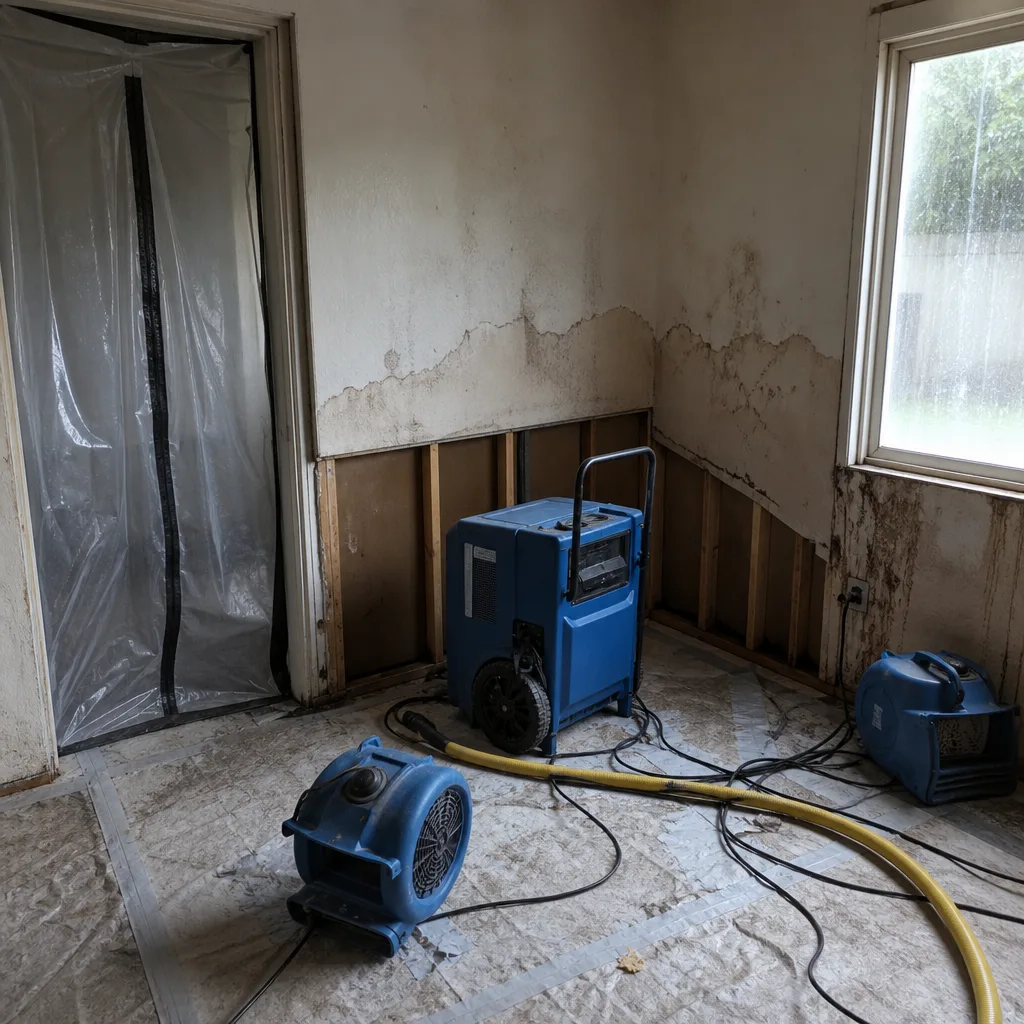 Before
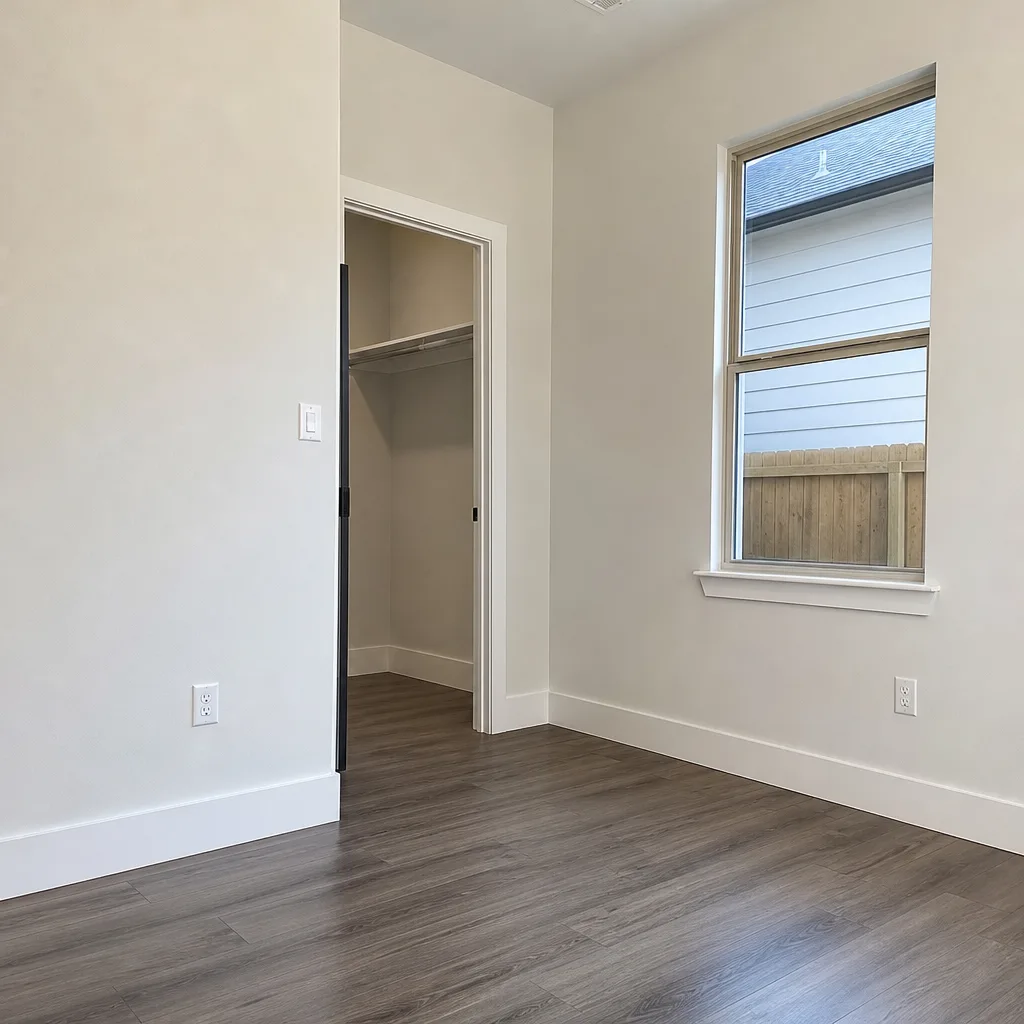 After
After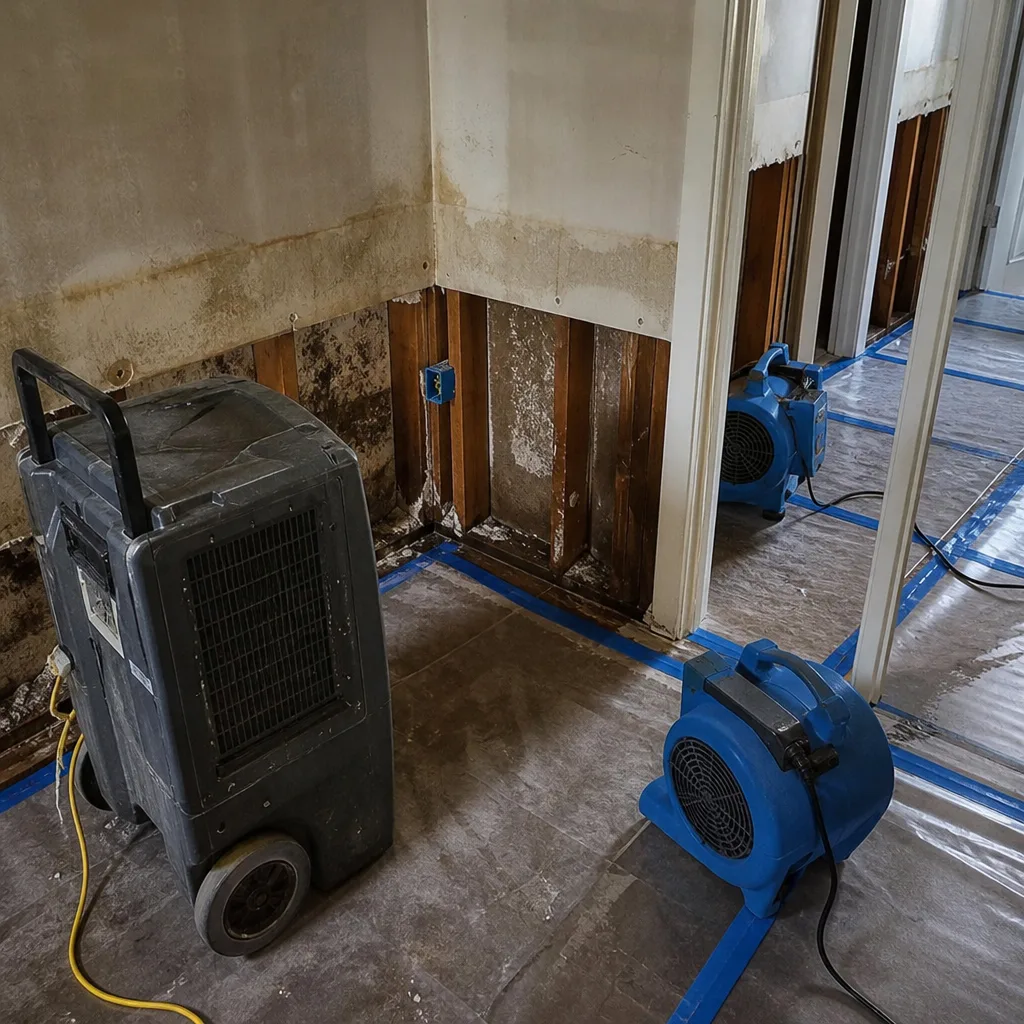 Before
 After
After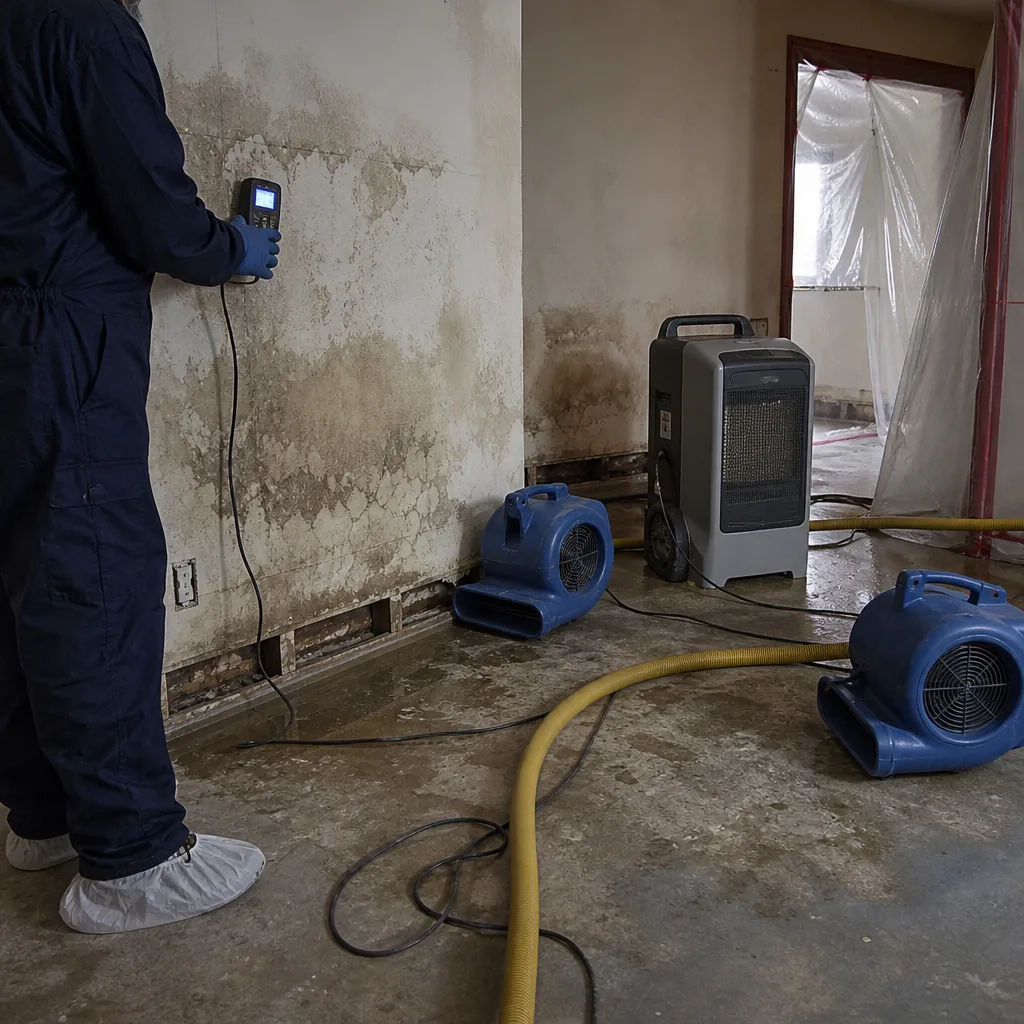 Before
 After
After