

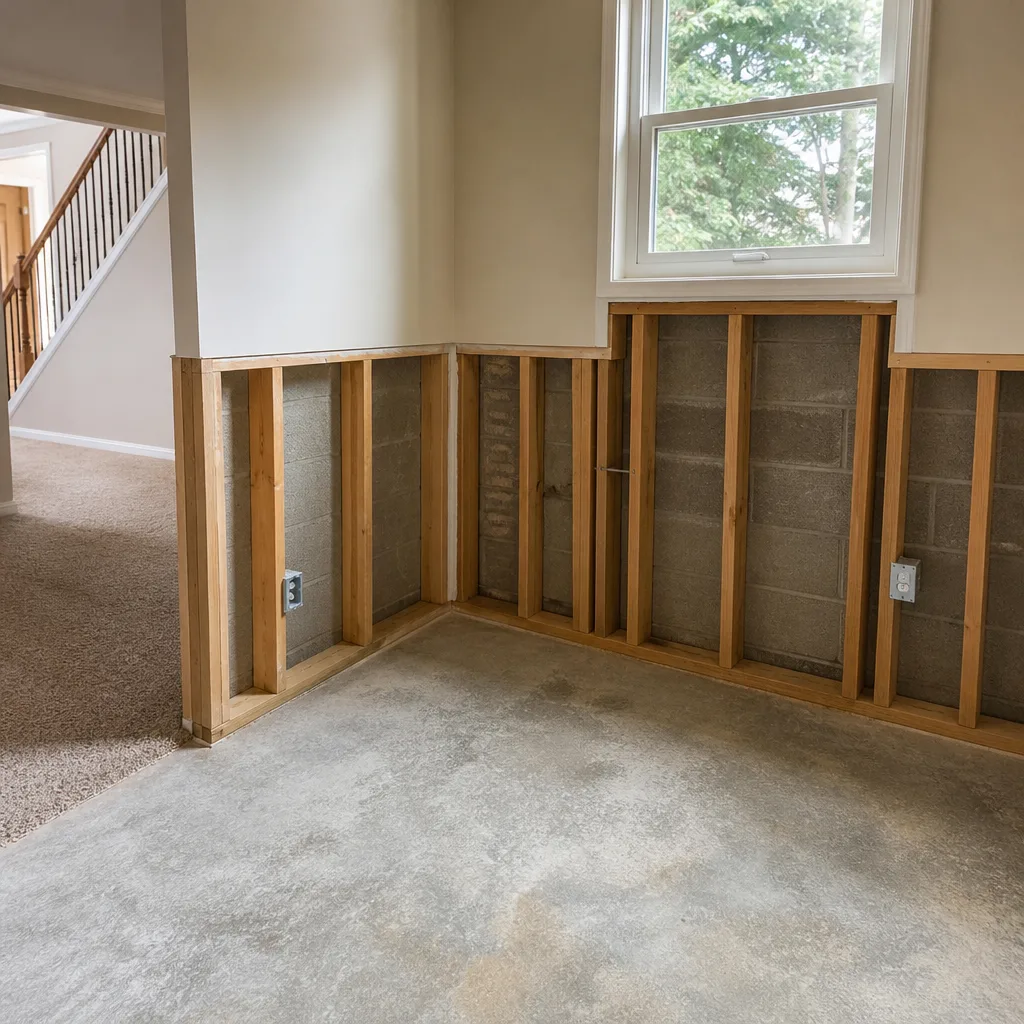
 Mold remediation
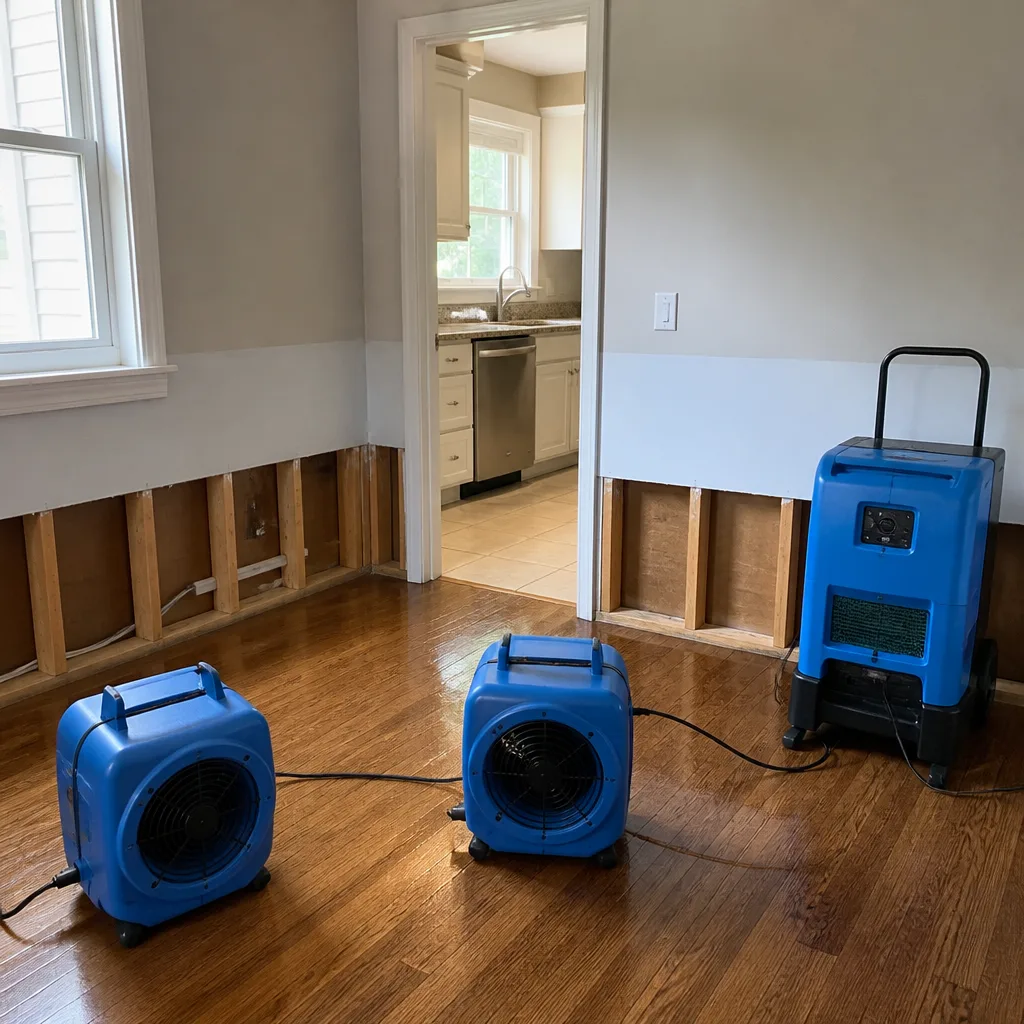 Water damage drying
 Fire & smoke cleanup
 Storm response
 Sewage cleanup
 Reconstruction
Free visual inspection and a written scope of work before any mitigation begins - photos, moisture readings, and drying logs go in your claim file
The scope we write is the scope we bill. Anything new gets shown to you, in writing, before we touch it.
Get your free estimateRestoration work we handle
See the difference
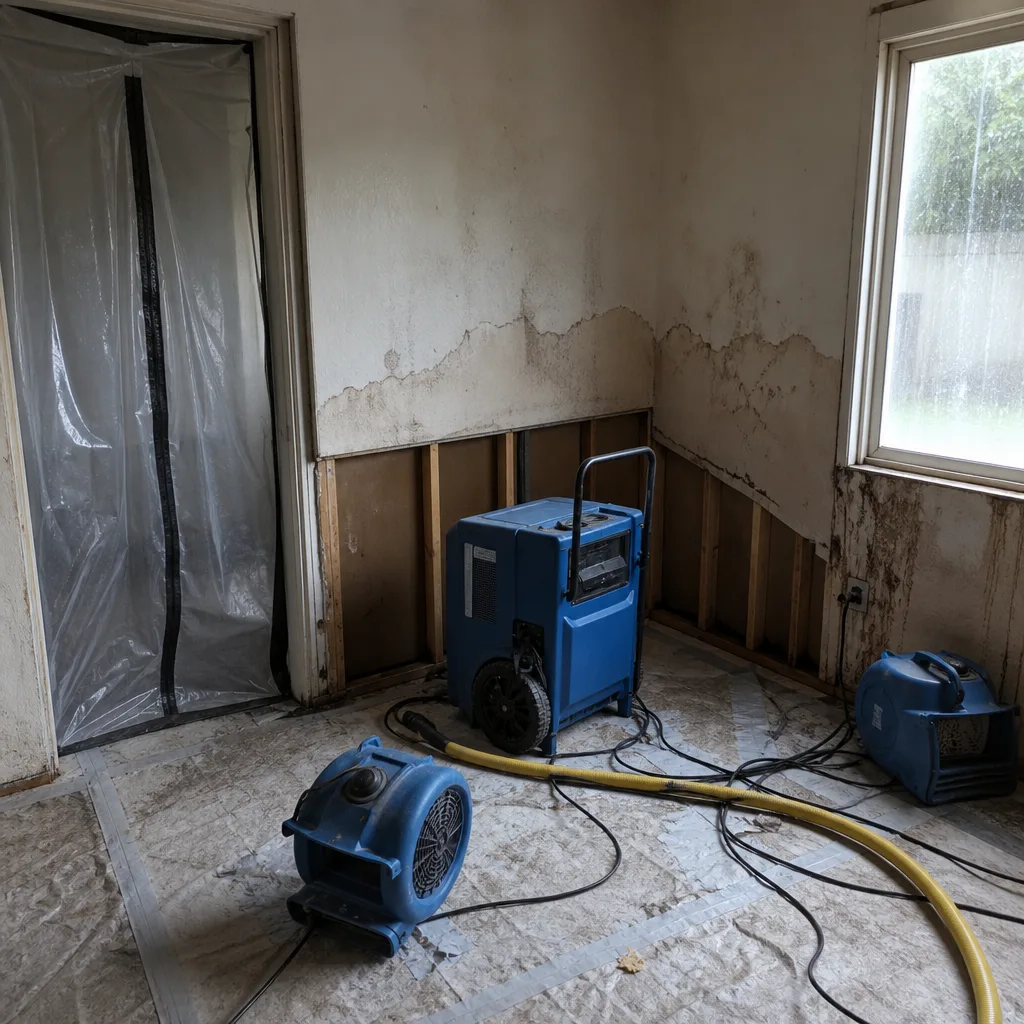 Before
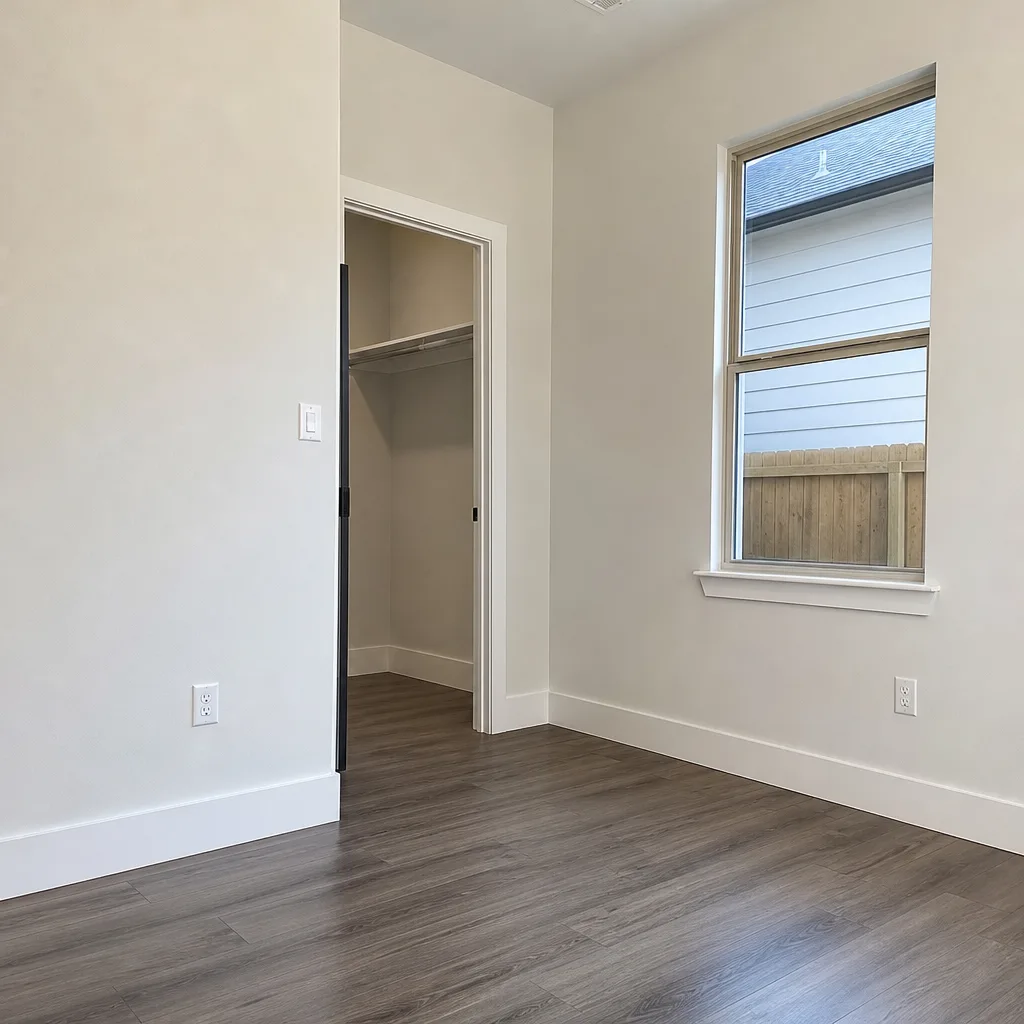 After
After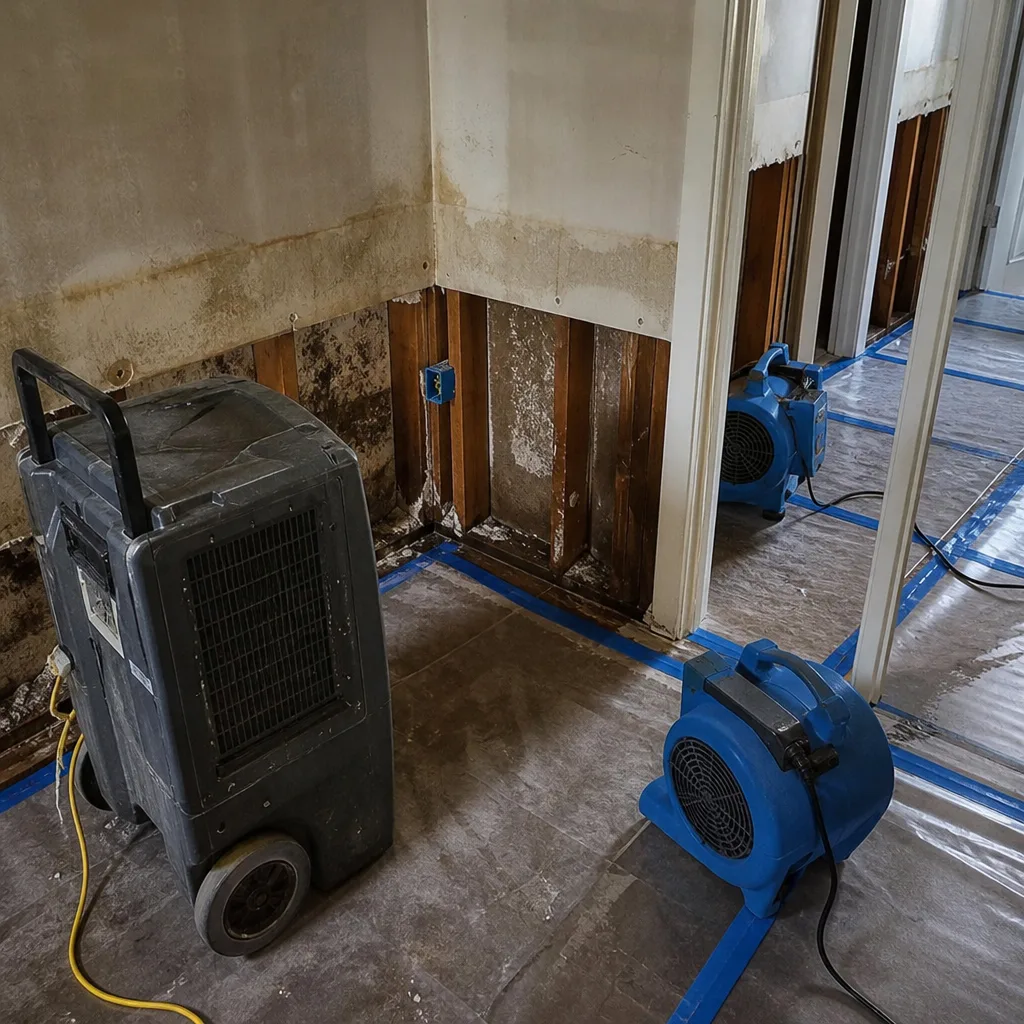 Before
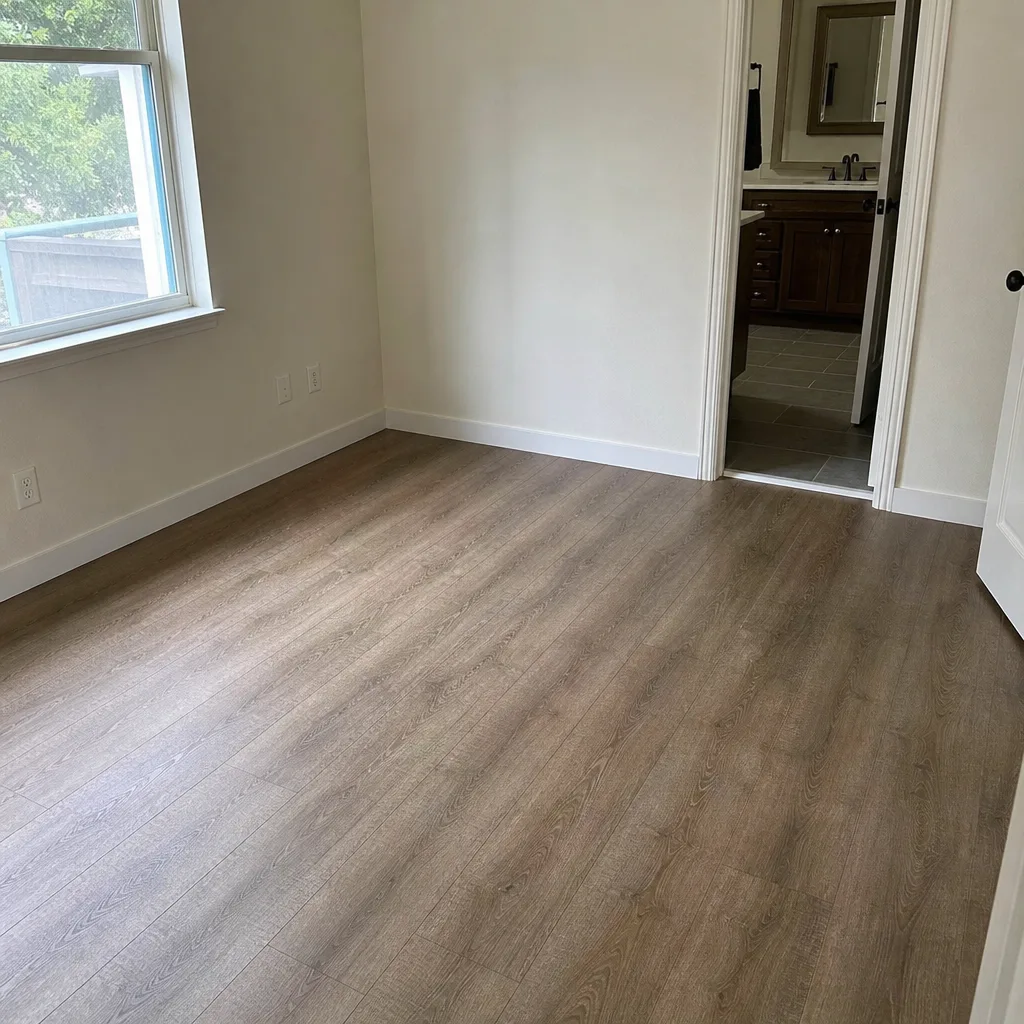 After
After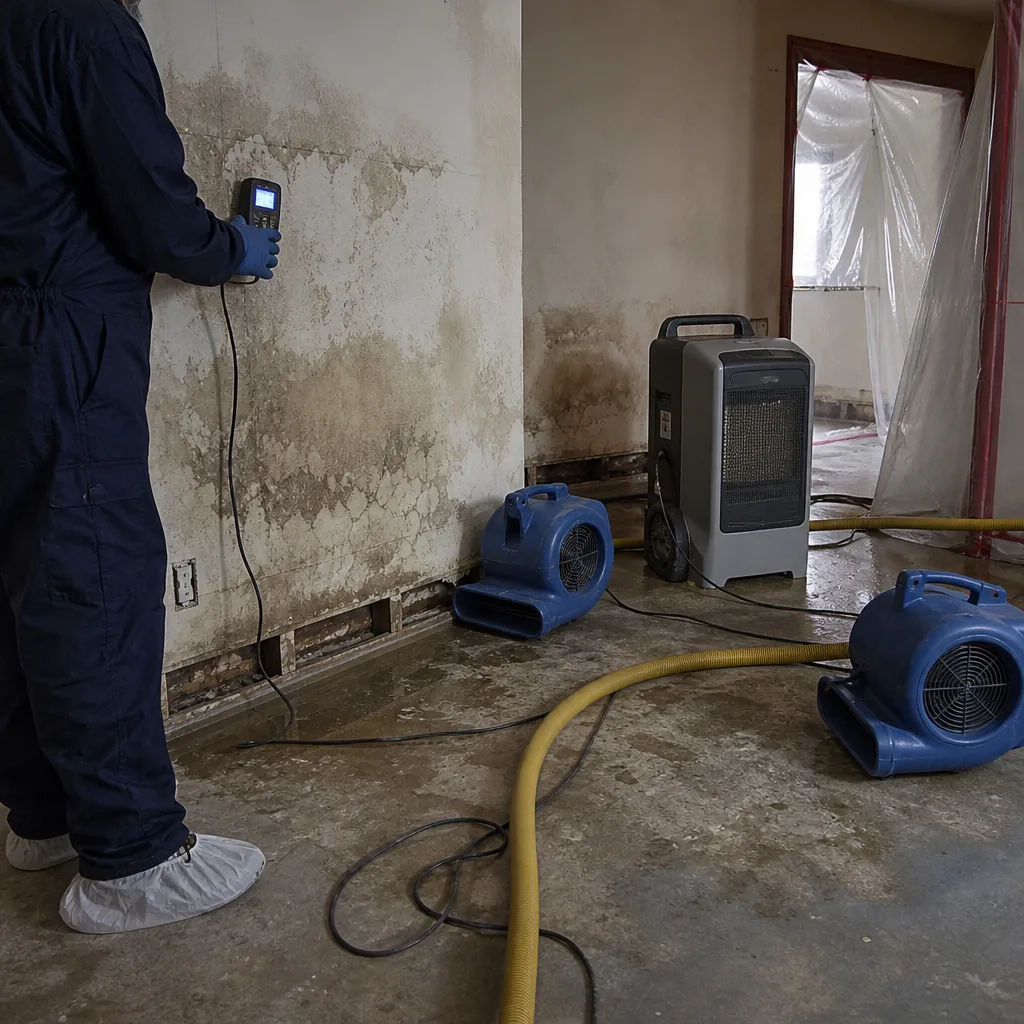 Before
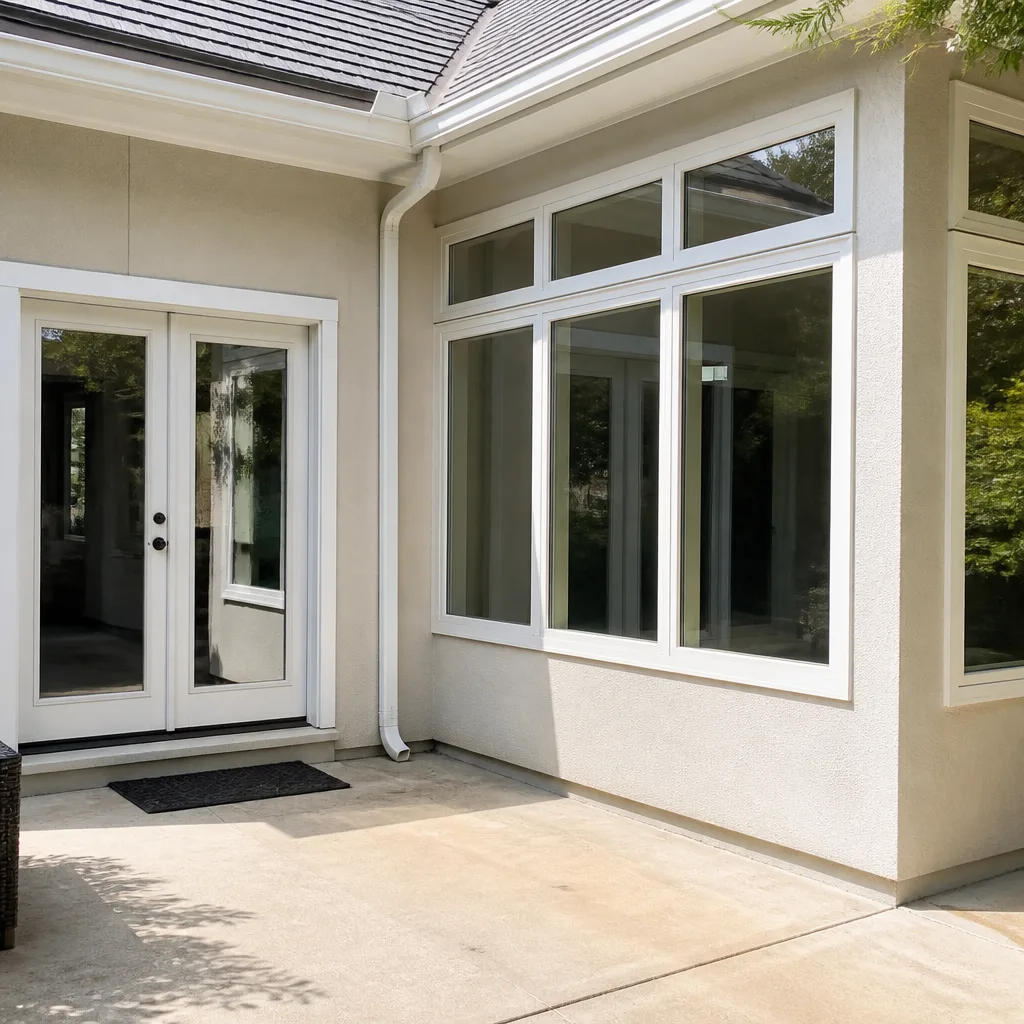 After
AfterHow Much Does Mold Remediation Cost in Austin?
Mold Remediation in Austin typically costs between $1,800 and $6,500 for most residential jobs, with the average homeowner spending around $3,400 in 2026. Small, contained outbreaks (a bathroom ceiling, a closet wall) often run $800 to $1,900, while whole-room or crawlspace jobs with structural drying can push past $12,000. The single biggest variable is how far the mold has spread behind drywall and into framing, which is why we recommend a written inspection before anyone quotes a firm number.
Key Takeaways
- Most Austin mold remediation jobs land between $1,800 and $6,500
- Small, isolated mold patches (under 10 sq ft) usually cost $800 to $1,900
- HVAC contamination adds $1,200 to $4,000 to the total
- You should get a written price before any tool touches your wall
- Any reputable Austin company should offer a written guarantee for the work
Mold Remediation Cost Breakdown (2026)
Here’s what we see across the Austin metro in 2026, from Round Rock down to Buda and everywhere in between. These are real numbers from the local market, not national averages, because mold behaves differently in Central Texas humidity than it does in Phoenix or Chicago.
| Item | Typical Cost Range (Austin, TX) | What It Covers |
|---|---|---|
| Inspection & moisture mapping | $175 – $450 | Thermal imaging, moisture meter readings, relative humidity (RH) checks at suspected and adjacent areas |
| Containment setup | $400 – $1,200 | Heavy-gauge plastic barriers, negative air pressure (a fan system that stops mold spores from drifting into clean rooms), zippered entryways |
| Small-scale remediation (under 10 sq ft) | $800 – $1,900 | Surface mold on a single wall, ceiling, or small closet. Removal of affected drywall, HEPA vacuuming, sanitation, drying |
| Mid-size remediation (10 – 50 sq ft) | $1,800 – $6,000 | Bathroom or laundry room mold, moderate drywall removal, stud cleaning, anti-microbial application, drying and air scrubbing |
| Large-scale remediation (50 – 120+ sq ft) | $6,000 – $12,500 | Whole-room mold after a slab leak or roof leak, multiple wall cavities, possible subfloor work in Austin pier-and-beam homes |
| Crawlspace mold treatment | $2,500 – $8,000 | Encapsulation prep, mold removal on joists, vapor barrier replacement, dehumidifier setup |
| HVAC mold cleaning | $1,200 – $4,000 | Duct cleaning, coil cleaning, blower cleaning, sanitizing the air handler |
| Post-remediation clearance testing | $300 – $700 | Third-party air sampling confirming spore counts returned to normal Austin outdoor levels |
| Structural repairs (after removal) | $500 – $5,000+ | Replacing removed drywall, trim, insulation, or subfloor. Often the largest post-remediation line item |
A note on the structural repair line item. Two companies may both quote you $3,000 for the removal and clean-up, but one includes drywall replacement and texture matching while the other does not. That is why we write every price down before work starts. A written price means the drywall removal, the disposal, the HEPA cleanup, and a named scope for what happens next are all on paper. You see the full number before we touch a wall.
If you want the short version: most Austin homeowners dealing with a bathroom, kitchen, or leak-driven mold problem should plan for $1,800 to $6,000, depending on how long the water sat and how far the mold traveled inside the wall cavities.
What Affects Mold Remediation Pricing in Austin
Austin’s climate and housing stock create some pricing factors you will not see in national price guides. Here’s what moves the number:
- How much drywall has to come down. Austin homes built between 1970 and 2000 almost always use standard gypsum board. Mold wicks into gypsum like a sponge in our summer humidity. Once it’s in the drywall, you’re not sanding it off. The drywall comes out. And more removed drywall means more labor, more disposal, and more rebuild cost. In a Mueller bungalow or a Tarrytown ranch, that difference can be a few thousand dollars all by itself.
- Humidity and seasonal timing. Austin’s dew point stays above 60 degrees for most of May through October, which means mold grows faster and spreads further before homeowners notice it. A June mold issue in Allandale often needs more aggressive containment than a January issue in the same house, because the spores have had weeks of near-perfect growth conditions inside the wall. We run psychrometric drying calculations, which measure air temperature, relative humidity, and moisture content in materials, to know when the space is truly dry. That equipment time shows up in the quote.
- Pier-and-beam vs. slab foundation. A large share of older Austin homes, especially in Crestview, Hyde Park, and the neighborhoods around North Loop, sit on pier-and-beam foundations. Water intrusion under the house breeds mold on floor joists and subflooring. Crawlspace mold is harder to access, harder to contain, and costs more than a slab-adjacent wall mold. If you own a pier-and-beam home, expect the crawlspace numbers in the table above to be your realistic range.
- HVAC system involvement. If your AC air handler is in a closet or attic that got wet, mold can spread through the ductwork itself. Cleaning a central AC system typically adds $1,200 to $4,000 in Austin, based on square footage and whether the coil needs pulling. Those Dri-Eaz and Phoenix air scrubbers we run during remediation are the same professional-grade machines used on commercial water losses. They remove airborne spores while we work, but they cannot clean the inside of a duct. That is a separate line item.
- Austin’s local disposal and permitting realities. The City of Austin requires mold remediation contractors to follow Texas Department of Licensing and Regulation (TDLR) rules for mold licensing and containment. Removed moldy drywall is not regular construction debris. It gets bagged, sealed, and hauled to a licensed facility. Dump fees in the Austin area have crept up every year, and those costs are passed through transparently in a written quote.
- Whether the water source is fixed. This is the one you’ll hear from every honest remediation company in town: if the leak is still active, the mold comes back. If we’re quoting mold removal but the roof flashing around your chimney is still leaking, or the slab leak under the hallway was never repaired, the remediation is a temporary fix. Our written price always states the scope. If the water source is not fixed before we start, the 365-Day Done Right Promise cannot apply. We will say that plainly, before the work begins, not after.
Mold Remediation Cost by Austin Neighborhood
These are patterns we’ve noticed across two decades of mold remediation in Austin, not price tiers we enforce. Labor is labor, but some neighborhoods in the Austin metro see the same problems repeat themselves, which shapes the quotes:
- Hyde Park and North Loop: 1920s-1940s pier-and-beam homes, original hardwood floors, smaller bathrooms. We see recurring mold around poorly vented bath fans and under floors where pier-and-beam vents let humidity in. Remediation often lands on the higher end because floors and subfloors are involved.
- Round Rock, Cedar Park, and Pflugerville: Larger homes built between 1990 and 2015. Common culprits are HVAC pan overflows in attics and second-floor water heater failures. Because these homes have more square footage behind the drywall before mold is found, jobs often fall in the $4,000 to $9,000 range.
- Circle C, Steiner Ranch, and Southwest Austin: High ceilings, large open floor layouts. When a water line breaks behind a kitchen cabinet, mold can creep across an entire first floor before anyone sees a spot. Containment and remediation over larger connected spaces pushes these jobs above the $6,000 mark more often than not.
- East Austin and Montopolis: A mix of new builds and older frame homes. The older frame homes are the wildcard. Open wall cavities (no insulation, just studs) can spread mold floor-to-ceiling quickly. If you live in one of those, early inspection matters.
How the Dryden Remediation Process Works (And What You’re Paying For)
If you call us about mold at your Austin home, here’s the actual sequence. Every step has a cost attached to it, and we want you to see where the money goes before you spend it.
- Inspection and moisture mapping. We walk the affected area and the rooms around it. Thermal imaging shows us where water has traveled inside wall cavities. Moisture meters give us exact readings in drywall, studs, and subfloor. We check relative humidity in the room and in the wall. This produces a map of the mold’s actual footprint, not a guess.
- Written scope and price. The Kingswell Way rule one: say the price before the work. You receive a written document that lists the containment plan, removal scope, disposal method, drying plan, and rebuild steps (if any). The number on that paper is the number you pay. No surprise line items at the door.
- Containment and negative air pressure. Before we cut or disturb anything, we seal the work area with thick plastic sheeting and set up a negative air pressure system. That means the air inside the contained zone is being pulled out and filtered, not drifting into your living room. We run HEPA air scrubbers from B-Air and XPOWER throughout the job, the same type of machines used in commercial remediation.
- Mold removal and material removal. We remove the affected drywall, insulation, or subfloor. We clean the framing studs with anti-microbial treatments. We HEPA vacuum every surface inside the containment area. Every tech on your job is background-checked, in Dryden uniform, and you will know their name before they walk through the door.
- Drying and dehumidification. Using Dri-Eaz and Phoenix dehumidifiers, we bring the moisture content of the remaining structure down to the dry standard Austin building inspectors and TDLR guidelines expect. We measure, we do not guess. The equipment runs until the numbers are right, and the cost for that equipment time was in your written quote from day one.
- Clearance and rebuild. We can arrange third-party air testing after the job to confirm spore counts are back to normal outdoor levels for Austin. Rebuild work, like drywall replacement and painting, is either handled by us or coordinated with a licensed contractor, whichever you prefer. Your written quote says exactly what’s included.
Does Homeowners Insurance Cover Mold Remediation in Austin?
Sometimes, and the answer depends entirely on the source of the water. Most Texas homeowners policies cover Mold Removal if the mold was caused by a sudden and accidental water event, like a burst pipe, a water heater failure, or a storm-driven roof leak. Most policies exclude mold that developed slowly over time, like a years-long slow drip under a sink or a bathroom with no exhaust fan that has been brewing mold for a decade.
In Travis County and the wider Austin metro, we’ve seen policy limits for mold coverage typically cap at $5,000 to $10,000 total, even when the underlying water damage claim is larger. That means insurance may cover the mold portion but not the full rebuild. It also means the remediation company you choose has to document everything properly for the insurer: photos, moisture readings, scope of work, and a written plan. Our team walks through that documentation with you as part of the job. If a claim is involved, we’ll help you talk to your adjuster in specific, documented terms, not vague ones.
How to Save on Mold Remediation
The most real way to save money on mold remediation in Austin is to catch it before it spreads behind walls and into framing. A $350 Mold Inspection & Testing that finds a 6 square foot wet spot behind a vanity is far cheaper than a $7,000 whole-bathroom job six months later. Beyond that:
- Fix the water source first. If the leak is still active, any remediation is throwing money at a problem that will return. Fix the leak, then remediate. In that order.
- Get the full scope in writing. Ask whether drywall replacement, disposal, and post-job testing are included. A low number that leaves out disposal or rebuild is not a low number, it’s a partial quote.
- Do not wait through the wet season. Austin’s fall rain and spring storms are peak mold growth windows. A spot you see in October after heavy rains will be more expensive to handle in March if the wall was wet all winter. Early intervention is the cheapest remediation.
- Ask what the guarantee covers. Our 365-Day Done Right Promise is written, not verbal. If a covered repair fails within a full year, we come back and correct it at zero additional cost. If a company cannot put a guarantee in writing, keep looking.
- Get a free estimate. We give free estimates on mold remediation Austin-wide. Call us at (361) 326-2081, describe what you are seeing, and we’ll schedule an inspection. The inspection comes with a complete written scope and price before any work begins.
FAQs – Mold Remediation Cost
How much does mold remediation cost in Austin for a small area?
A small contained mold problem, like a bathroom ceiling or a closet wall under 10 square feet, typically costs $800 to $1,900 in Austin. That covers containment, removal of the affected material, HEPA cleaning, and basic drying. If the mold is on a surface that can be cleaned rather than removed, it can run lower. Call us at (361) 326-2081 and we’ll give you a written price for your exact situation.
Is it cheaper to repair or replace mold-damaged drywall?
It is cheaper to replace mold-damaged drywall than to attempt to repair it. Drywall is porous, and mold roots penetrate the gypsum core. Surface cleaning almost never kills the full colony. Replacing the affected section typically costs $500 to $1,500 for the rebuild portion after remediation, while trying to save and clean moldy drywall often results in the mold returning within months. Our 365-Day Done Right Promise covers the replacement work we do; a cleaning shortcut that fails would not be covered by anyone with a written guarantee.
Does Austin require a license for mold remediation?
Yes. Texas law through the TDLR requires mold remediation contractors to hold a mold remediation license for jobs over 25 contiguous square feet of visible mold. That license involves documented training, testing, and ongoing education. Our work is performed to IICRC, RIA, and IFA standards, the recognized benchmarks in the damage restoration industry. Every tech on your job is background-checked and uniformed.
How long does mold remediation take in Austin?
Most residential mold remediation jobs in Austin take 2 to 5 working days. Small isolated jobs can finish in a single day, while crawlspace mold on a pier-and-beam home or HVAC-involved mold can run 5 to 7 days. Drying time depends on our psychrometric readings, and we do not stop the fans and dehumidifiers until the numbers say the structure is dry. Your written quote includes an estimated timeline before we begin.
Can you come today for mold in my Austin home?
In most cases, yes. We answer every call with a live person, 24 hours a day, 7 days a week. If you’ve found mold and need a same-day inspection, call (361) 326-2081 and we’ll give you a committed arrival window, not a vague “sometime this afternoon.” Mold that sits another week costs more to fix, so we move fast.
Written by Carl Brandt, Owner at Dryden Restoration Austin. Serving Austin, Round Rock, Cedar Park, and the surrounding Travis County communities since 2005.
Pricing reflects the Austin market as of 2026. Dryden Restoration Austin offers free estimates – call (361) 326-2081.
What Our Customers Say
"Good work drying out the basement. The fans were loud and ran for days, which they warned me about. Just be ready for that. The restoration itself was done right."
- Grant Whitmore"Slow leak under the house turned into mold. They found the source, treated it, and were honest that it wasn't as bad as I'd braced for. No scare tactics."
- Francesca Lao"Our water heater let go overnight and flooded the hallway. They answered at 6am, showed up fast, and dealt with my insurance adjuster directly so I didn't have to fight that battle."
- Lydia Ferraro